Decorative

Enterprise Asset Management (EAM): A Complete Guide

Get clear visibility into your assets, reduce downtime, and deliver more reliable service with EAM and Agentforce IT Service.

Ariana Tiwari , Product Marketing Director — IT and HR Service, Salesforce

April 21, 2026

EAM vs CMMS: What’s the difference?

EAM and computerized maintenance management systems (CMMS) serve different purposes. CMMS maintains assets effectively. EAM manages assets strategically.

ASPECT EAM CMMS
Scope Manages the full asset lifecycle Focuses on maintenance activities
Purpose Supports long-term asset strategy Supports day-to-day maintenance tasks
Use case Planning, tracking, and optimizing assets Scheduling repairs and managing work orders
Business impact Improves overall asset performance and decision-making Keeps equipment running efficiently
Agentforce IT Service workflow.
Stop chasing IT tickets

Your IT team was hired to innovate, solve problems, and move your business forward. Agentforce IT Service gets them back on track.

Decorative
When you talk, service pros listen.

Service leaders need reviews they can trust. Review Service Cloud on G2 today.

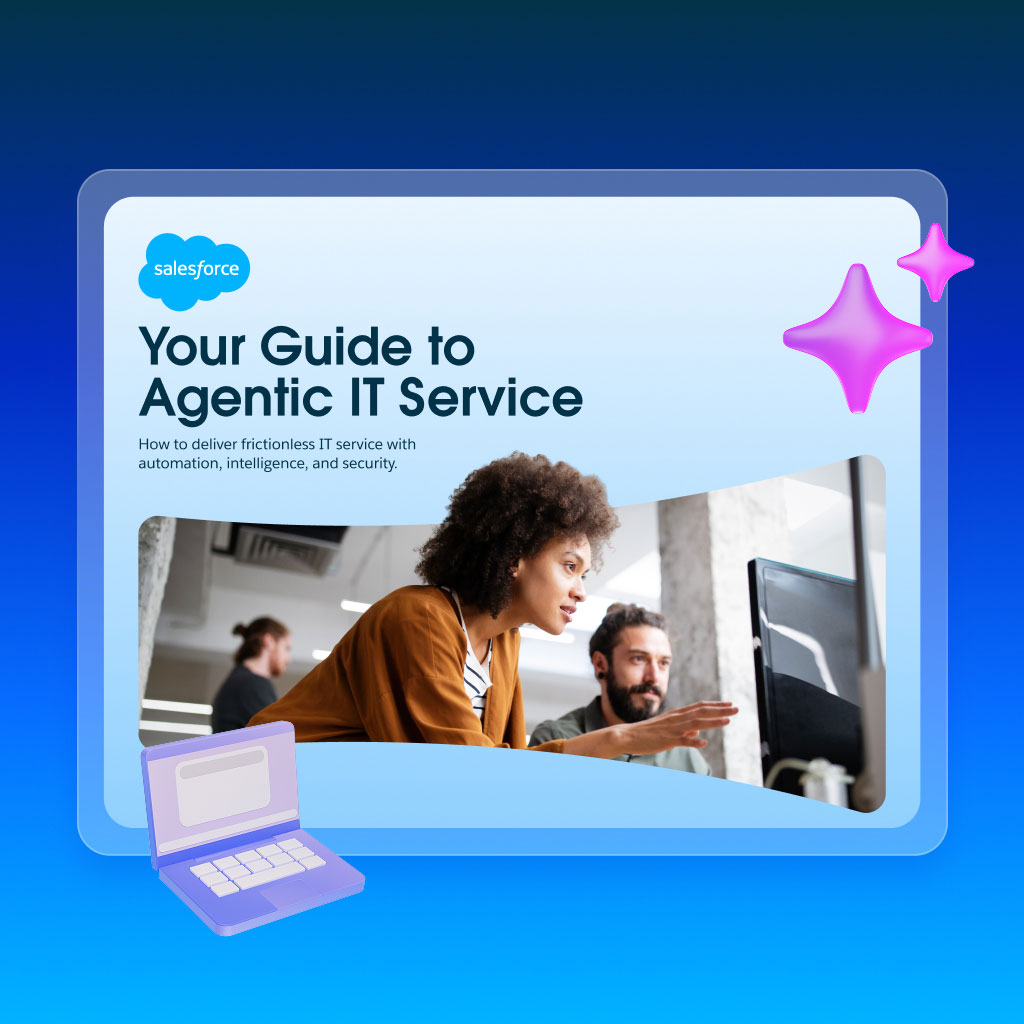
IT professionals working in front of a computer monitor.
The future of IT service is agentic

Learn how AI agents deliver frictionless IT service with automation, intelligence, and security.

Enterprise Asset Management (EAM) FAQs

An enterprise asset management system is a solution that helps you track, manage, update, and maintain your assets across their entire lifecycle. It brings together asset data and service workflows so you can make better decisions and keep operations running smoothly.

Asset management typically includes physical asset management and IT asset management. Together, they help you manage everything from equipment and infrastructure to systems and software.

The purpose of EAM is to help you get more value from your assets while reducing risk and downtime. It gives you the tools to plan maintenance and improve how your assets support your business goals.

Many industries benefit from EAM, including manufacturing, utilities, healthcare, transportation, and field service. Any business that relies on assets to deliver services or products can use EAM to improve efficiency and reliability.