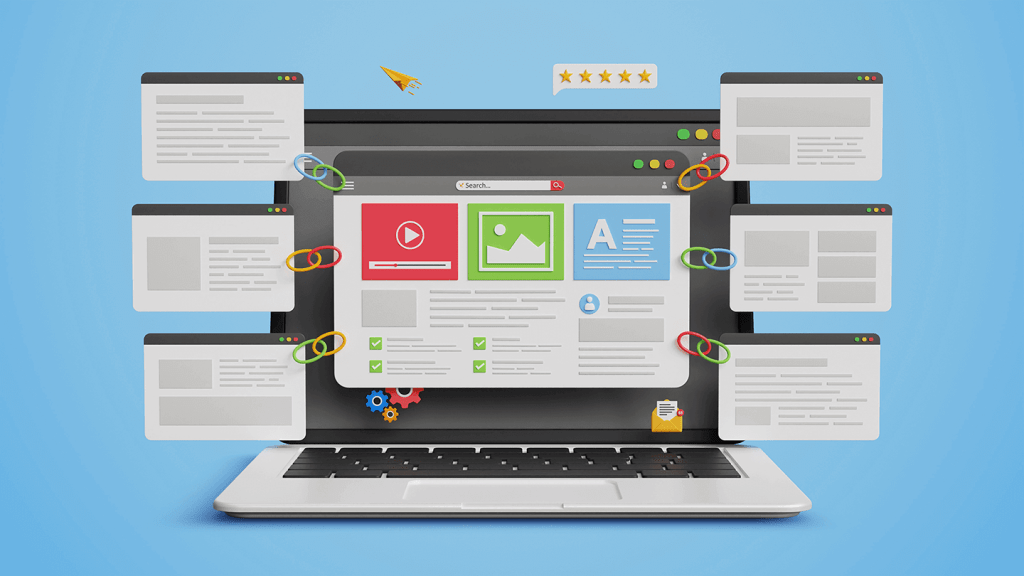


Organic marketing is the undisputed queen of low-cost, high-reward marketing when it's done well. However, in recent years, it’s felt like a moving target. Five years ago, everyone was trying to build their brand's podcast; now, everyone is talking about how to get their brands to show up in LLM answers.
While trends come and go, one thing remains constant: The brands that knock organic marketing out of the park understand their audience and are able to rise above trends to genuinely entertain, educate, and inspire.
In this article, we’ll cover the foundations of organic marketing, how to use it in conjunction with paid media, and tips for building and refining an organic strategy over time.
What you’ll learn:
- What is organic marketing?
- How does organic marketing compare to paid media?
- The most popular organic marketing tactics
- What are the benefits of organic marketing?
- Some common myths about organic marketing
- The basic steps of planning an organic marketing strategy
- Organic marketing metrics that matter
- Getting started with organic marketing in 2026
- FAQs

See the top trends in data, AI, and more — from nearly 5,000 marketers worldwide.
What is organic marketing?
Organic marketing is an umbrella term for marketing that naturally brings attention to your business. It’s often used to describe marketing that doesn’t rely on paying for people to see your brand.
While its ultimate goal is to get your business more customers, it takes a less sales-forward approach. Instead, it focuses on establishing your brand as one to trust.
Organic marketing takes time and skill to work, but when people do start coming to your business organically, the conversion rate is often higher than from paid media. They also keep coming long after the work is done, unlike paid media, which stops generating results once it’s turned off.
Under the umbrella of organic marketing, these are some of the most popular practices.
- Search engine optimisation (SEO)
- AI overview optimisation (AIO)
- Content marketing (blogs, long-form articles, guides)
- Brand building (positioning, messaging)
- Video content (short-form video, webinars)
- Podcasts (either launching your own or joining others)
- Social media content (not ads)
- Community building (events, Slack channels, responding to DMs)
- Email marketing (newsletters, lifecycle emails)
- Public relations (PR) and earned media coverage
- Influencer and creator collaborations
- Founder-led content and personal branding
While we listed AI as a separate ‘function’ of organic marketing, it is being used in all of the listed jobs. This could be as light as using AI to clean up the sound in the back of a podcast or as heavy as using it to craft a first draft of a social media post.
Remember that the foundation of organic marketing is being an effective communicator, so we recommend using AI in a way that helps you amplify your brand's voice, rather than replacing it.
How does organic marketing compare to paid media?
Organic and paid media work together. If your business is fairly new or has a small marketing budget, starting with organic marketing is a cost-effective way to get new customers. However, it can take longer than paid options that guarantee your brand will be in front of new customers.
That’s why they work best together. Paid marketing captures immediate demand, like appearing in search results when someone is actively looking for your product. Organic marketing plays the long game, creating new demand through awareness and building trust over time.
A simple example is organic marketing bringing people to your website through SEO, then paid marketing reinforcing that interest later through retargeting ads. There are endless ways you can combine the two disciplines to get better marketing results.
Here’s a quick comparison between the two to help you understand their core differences.
Organic vs. Paid Marketing
| Area | Organic marketing | Paid marketing |
|---|---|---|
| Cost | No cost per click or impression, but requires hiring someone with skills who can do consistent work. | You pay for someone to manage the paid ads, plus every click or impression. |
| Speed of results | Slower to start, but builds momentum over time. | You get immediate visibility and traffic. |
| Longevity | Compounds and keeps working long after the content is published. | Stops the moment you stop paying. |
| Trust and credibility | Higher trust, earned through value and education. | Lower trust, clearly recognised as advertising. |
| Scalability | Scales gradually as you create content and the audience grows. | Scales quickly when the budget increases. |
| Best for | Building brand authority, awareness, and long-term demand. | Capturing existing demand and getting short-term results. |
| Measuring results | Harder to attribute, focused on trends and growth over time. | Easier to track direct ROI. (Sometimes people might learn about the product through paid, but when they come back, that’s attributed to organic.) |
| Role in a wider marketing strategy | Creates sustained growth and future demand. It is core to long-term success. | Speeds up results and supports launches or specific campaigns. |
The most popular organic marketing tactics
As we’ve covered, organic marketing encompasses a large number of disciplines. We recommend focusing on building up one or two functions at a time. The goal is to do a few things well, rather than trying to do everything at once.
Here are a few of the popular (and more effective) tactics to use in your business.
Content marketing
Content marketing is the star of most organic strategies. Simply put, it is creating and sharing content for your audience. This can include written content, video, audio, webinars, or any format that helps do the following:
- Educate: Explain how something works, why it matters, or how to do it.
- Inform: Share updates or insights to keep people up to date.
- Inspire: Show what’s possible by sharing examples or offering a new opinion.
Many of the categories below could be considered a part of content marketing.
Search engine optimisation (SEO)
SEO is a skill set that some content marketers have. It is the practice of creating content that Google or other search engines prefer and will then serve to people in the search results.
There are lots of tips and tricks that marketers use for SEO, such as choosing relevant keywords, including related terms naturally, adding helpful page elements like image descriptions, and structuring content so it’s easy for both people and search engines to understand.
There is also a more technical side to SEO. For larger companies, you may need developers to manage this on your website. However, for small to medium-sized businesses, most content marketers can fix anything that’s holding your site back in search results. This often involves mapping a clear site structure and improving the loading speed of your pages.
In 2026, SEO also means optimising for AI-driven search experiences. In this new world, it’s all about clearly answering people’s questions and building site credibility.
Social media
Strangely, some businesses think of social media as a softer form of marketing. However, this couldn’t be further from the truth. Social media marketing is one of the most challenging organic marketing channels because you can’t optimise your way to the top. Instead, it involves being acutely aware of your audience, each platform’s ‘hidden’ social rules, and showing up consistently, even on days when you’re fresh out of ideas.
Being on social media also means community building, like responding to comments, engaging with other people’s posts, and replying to DMs. Over time, a recognisable brand voice and point of view make your content easier to remember.
Social media is all about momentum, so your first months (or even years) of posting might feel slow. However, as your audience snowballs, you’ll start to get more and more out of social media.
Email marketing
When you are doing organic marketing, it’s important to find ways to capture people as leads so you can market to them via email. This can be done by getting them to provide their email to join a webinar, download an ebook, read a report, do a quiz, sign up for a free trial, and more.
Once you have their permission to email them, you can continue to nurture the relationship with ongoing emails. You don’t want to be emailing them every day, but it’s important to have a cadence, like sending a monthly newsletter. For organic marketing, newsletters should actually be interesting for people to read, not sales pitches.
For example, if your product is for amateur cooks, your newsletter could include recipes, cooking trends, an opinion piece on a viral cooking video, a note from a chef people admire, or a poll that you’ll share the results of in the next edition.
All of these give people a reason to keep opening your newsletter and build trust over time. As that trust grows, your brand starts to feel like a credible authority on the topic, which makes people more likely to choose you when they’re ready to buy.
PR, partnerships, and word of mouth
Earned media (when you publish something so great people can’t help but share it), partnerships, and collaborations extend your reach through borrowed trust. Being mentioned in the right publication, partnering with brands that share a similar ethos, or collaborating with related creators, introduces you to new audiences in a credible way.
It also helps to gather reviews and request case studies from your customers. You can then use these to build trust and help people feel more confident choosing your brand. Reviews, referrals, and customer advocacy all act as social proof, showing potential customers that real people have had positive experiences with your business.
Zero-click content
Zero-click content is content designed to deliver value immediately, without requiring someone to click through to your website. This includes things like AI overviews and in-feed social posts, where people get the answer or insight right where they are.
In practice, this means clearly answering common questions, summarising key ideas, or sharing practical tips in a way that search engines and social platforms can surface directly. While this type of content may drive fewer clicks, it still plays an important role in increasing your brand's visibility.
What are the benefits of organic marketing?
If you are looking to grow your business over time, you will need some form of organic marketing. A tiny proportion of businesses are lucky enough to be able to grow exponentially through word of mouth (still an organic kind of marketing), but 99% of businesses will need to invest in doing it themselves.
Here are the top benefits you can expect when you start doing organic marketing.
- Long-term brand recognition: When your brand shows up with helpful, relevant content, people remember you when it’s time to buy.
- Compounds over time: Unlike paid campaigns, organic content keeps delivering value long after it’s published, building momentum instead of resetting.
- Higher trust and credibility: People tend to trust brands they discover through education, recommendations, or consistent presence rather than ads.
- Lower cost in the long run: While organic marketing requires upfront effort, it doesn’t require ongoing spend to maintain visibility.
- Better audience insights: Organic channels create two-way interactions. Comments, replies, and engagement can all help you understand what your audience cares about.
Build lasting relationships that drive growth with Marketing Cloud.
Action all your data faster with unified profiles and analytics. Deploy smarter campaigns across the entire lifecycle with trusted AI. Personalise content and offers across every customer touchpoint.
Some common myths about organic marketing
Organic marketing is often misunderstood because it’s not as straightforward as paying for ads and getting eyeballs. Due to this, many teams approach it with assumptions shaped by paid media, which can lead to unrealistic expectations.
Here are some common myths about organic marketing, debunked.
Myth: Organic marketing is free
Organic marketing isn’t free. While you’re not paying for clicks, most businesses still invest in experts or an agency because it takes time, skill, and consistency to do well. Costs can also include creator collaborations or paying professionals to produce things like photography, video, or other creative assets.
Myth: Organic marketing shows immediate results
Organic marketing takes time. SEO and content often take several months to gain traction, and in many cases, closer to a year to show consistent results. The payoff, however, is that the content will continue to bring you new customers for a lot longer.
Myth: I just need to follow trends
Blindly following trends is how brands blend in, not stand out. If you do choose to lean into a trend, it needs your own perspective or twist to be effective.
Myth: It’s easy to measure organic marketing
There are absolutely ways to measure organic marketing, but it’s not simple. For example, someone might read a blog, follow you on social media, join your newsletter, and only convert months later. This makes attribution more complex.
Myth: Social media is easy
Organic social media is hard. It takes creativity, consistency, and a strong understanding of your audience to build momentum over time.
Myth: I can write blogs, and people will find them
Writing blogs isn’t enough. You need a strategy, a clear understanding of what your audience wants to read, unique perspectives, and an SEO strategy. Even great content won’t get read if people can’t find it.
Myth: SEO is dead because of AI
This couldn’t be further from the truth, as currently 88% of B2B websites are discovered through unbranded search. SEO has evolved, not disappeared. In fact, clearly answering questions and building credibility is more important than ever in AI-driven search.
Myth: No one reads emails
Email remains one of the highest-performing channels. In fact, we found that 65% of customers say they prefer to communicate with companies via email. In practice, organic marketers still consistently see email driving conversions. It also plays a separate role in nurturing people who may return later when they’re ready to buy.
Myth: TikTok is just for dancing videos
TikTok has more than a billion active users and is quickly becoming a serious discovery and shopping platform. Shoppable video is already available in the US, where people can buy products directly on TikTok. This model is expected to eventually roll out in Australia, so now is the time to start building a presence on TikTok so you’re ready when it arrives.
Myth: You can do organic marketing by following playbooks
Sadly, when it comes to connecting with your customers, there’s no universal formula. Organic marketing works best when you understand your unique audience, experiment creatively, and focus on genuinely delighting people. On top of this, 89% of marketers say they need to continually innovate to remain competitive, as what worked yesterday might not work tomorrow.
The basic steps of planning an organic marketing strategy
If you’re completely new to organic marketing, there are a few things you’ll need to do when you are getting started.
1. Define your goals and how you’ll measure success
Our first tip is to be realistic about what success looks like. If you’ve done any organic marketing before, use that as your benchmark. Also, remember that organic marketing takes time, so early goals should focus on signals like more people searching your brand name or steady growth in website traffic.
2. Understand your audience deeply
Learn about who you’re speaking to. The better you understand your audience, the more relevant your organic efforts will be. Organic marketers should be doing customer interviews and consuming the other media their audience reads.
3. Choose the right channels
You don’t need to be everywhere. Focus on the channels where your audience already spends time and where your team can realistically show up consistently. For B2B brands, LinkedIn or Reddit can work well, while B2C brands may be better suited to TikTok or Instagram.
4. Create a repeatable content system
Consistency and quality matter more than volume. Try to only commit to things your team can keep up with and build a simple system you can sustain, rather than relying on one-off ideas or bursts of activity.
5. Distribute your content (not just publish it)
Publishing is only half the job. Make sure your content is actively shared and reused. Link to it in other posts, get your employees to share it on LinkedIn, or pay to have it featured in a publication to extend its reach.
6. Treat every post as a lesson
At the end of each month, lay out all your content in one place with the key stats attached. Look at what performed well, what didn’t, and then discuss why. From there, create a simple list of dos and don’ts for the next month. Use this guide to double down on what worked, and stop spending time on the things that didn’t.
Organic marketing metrics that matter
While it’s not always straightforward to attribute new customers to your organic marketing, there are some metrics you should keep an eye on. Here are the metrics organic marketers should know.
Organic Marketing Metrics to Be Aware Of
| Metric | What you can learn from it |
|---|---|
| Brand search volume | Whether more people are actively searching for your brand by name (meaning they likely saw your organic marketing). |
| Impressions | How often your content is being seen across search, social, and other channels. |
| Click-through rate (CTR) | How compelling your content is once people see it. |
| Website traffic | Whether organic content is driving visits to your site. |
| Engagement | How people interact with your content (likes, comments, shares, time on page). |
| Conversions | Whether organic traffic is turning into sign-ups, leads, or sales. |

Stay up to date on all things marketing.
Sign up for our newsletter to get the latest research, industry insights, and product news delivered straight to your inbox.
Getting started with organic marketing in 2026
There is no brand too big or too small to benefit from organic marketing. While trends, platforms, and audience interests are bound to change in the coming years, consistently showing up keeps your brand front of mind.
Not only that, but organic marketing offers one of the strongest long-term returns. The best approach for getting started is to treat every post as a learning opportunity. From there, you can measure your progress realistically, look for patterns rather than quick wins, and refine your approach month by month.
Salesforce’s Agentforce Marketing can support this work by giving you a connected view of your audience across channels, helping you personalise content at scale, automate journeys, and use AI to surface predictive insights without losing your brand voice. Watch the demo today to see firsthand how it could support your organic marketing efforts.
Hit the ground running with marketing tips, tricks, and best practices.


Ready to take the next step?

Talk to an expert.
Tell us a bit more so the right person can reach out faster.

Stay up to date.
Get the latest research, industry insights, and product news delivered straight to your inbox.

FAQs
There is no set number of blogs you need to write. However, the more articles you do write, the more keywords your business will appear in the search results for.
A realistic goal for a content marketer is to write at least one blog post a week. If you can keep this schedule, by the end of the year, you’ll have 52 blog posts that all bring traffic to your site.
If we took a very conservative estimate that each blog on average brings in 100 users per month, that's 5,200 new potential customers on your website in a year's time. This is why marketers often say that consistency is one of the most important parts of organic marketing.
AI search results are less about using all the right keywords and more about providing succinct answers to the questions people ask.
On top of this, they heavily lean towards websites with high credibility. This is often signalled by things like consistent, high-quality content, clear authorship, reputable backlinks, brand mentions across the web, and a strong track record of helping users find reliable information.
Social media counts as organic marketing when you’re posting from your business profile without paying for ads. You can run organic and paid activity at the same time on the same account, but they’re often managed separately. One effective way to combine the two is to use high-performing organic posts as paid assets, since they’ve already proven to resonate with your audience.
Content marketing is a form of organic marketing. Organic marketing is the broader strategy that includes content, SEO, social media, email, PR, and community building, while content marketing focuses specifically on creating and sharing content to educate, inform, or inspire your audience.
Marketers spend hours poring over this question; if there was one simple trick or answer, everyone would be doing it.
The real ‘secret’ to gaining social media followers is understanding your audience, adapting your content to fit the platform it’s on, and always reviewing and refining your work. Followers typically have a snowball effect, meaning that your first thousand followers might take two years, while your next thousand could happen in six months, the next in another two months, and so on.