IT Asset Management (ITAM): A Complete Guide
Take control of your IT assets with ITAM — track hardware, software, and cloud, reduce costs, prevent risks, and help your team work smarter.
Most IT teams don’t struggle because they lack tools, but because they lack visibility. Devices get reassigned, software licenses quietly multiply, and cloud subscriptions renew without oversight. When something breaks, teams are left scrambling to answer a simple question: What do we actually own? This lack of clarity pushes IT teams into a reactive mode, driving higher costs, slower resolution times, and unnecessary risk.
IT asset management solves this by giving your IT team a trusted view of hardware and software across the entire lifecycle. When ITAM software is connected to IT service management software, asset data becomes actionable and informs incidents and service requests in real time. And as your business moves toward artificial intelligence (AI) and agentic service operations, accurate asset data becomes the foundation that allows automation to act with confidence rather than assumption.
ITAM is how you track and manage your technology assets across their entire lifecycle, from the moment you acquire them to when you retire them. It covers both physical and digital assets and helps you maintain visibility, governance, and control as your environment grows. Instead of treating assets like a static inventory, ITAM gives you a continuously updated view of what you own and how it’s being used.
When ITAM is connected to ITSM, asset data becomes part of how you deliver service every day. Incidents, changes, and service requests are informed by real asset context, which helps you reduce risk and make better decisions. As you adopt AI-driven service models, this foundation becomes even more important, because automation can only act confidently when it understands your environment.
An IT asset is any technology resource your business uses to deliver work, support employees, or run services. If it costs money or creates operational risk, it’s an asset you need to manage. That includes both physical equipment and digital resources that often get overlooked once they’re deployed.
Most IT assets fall into four core categories:
What matters isn’t just knowing an asset exists, but understanding how it’s used and what it impacts. When an asset is linked to incidents, service requests, and changes, your IT team can troubleshoot faster and avoid surprises during audits or renewals. This asset-level context is what turns IT asset management from simple tracking into a foundation for reliable service delivery.
Your IT team was hired to innovate, solve problems, and move your business forward. Agentforce IT Service gets them back on track.
When IT asset management is done well, it changes how your IT team operates day to day. Instead of reacting to issues after they surface, you gain the insight needed to plan ahead, reduce waste, manage risk, and deliver more reliable customer service across the business.
The most impactful benefits of ITAM include:
Smarter planning and decision-making: Reliable asset data supports refresh planning, capacity forecasting, change management, and long-term technology strategy without assumption.
IT asset management works by creating a continuous feedback loop between your assets and your service operations. Instead of tracking technology in disconnected systems, ITAM ties asset data to incidents, changes, requests, and financial decisions. This approach aligns closely with IT Infrastructure Library (ITIL) practices, where accurate configuration and asset data are essential for managing risk and improving service quality.
ITAM follows a structured lifecycle that aligns with how assets are actually used in your business. Each stage builds on the previous one to maintain visibility, control costs, and reduce risk.
Assets are requested through standardized workflows and approved based on budget, security policies, and business needs. When tied to an IT service catalog, this step prevents unplanned purchases and ensures assets enter your environment with proper ownership and documentation.
Once acquired, assets are assigned, configured, and put into service. During this phase, asset data is continuously updated as users change roles, software is upgraded, or infrastructure scales. This visibility supports ITIL-aligned incident management and change impact analysis.
As assets remain in use, ITAM helps you monitor performance and identify opportunities to optimize cost and risk. Intelligent automation and AI agents can use this data to predict failures, and recommend corrective action.
Assets are decommissioned securely, licenses are reclaimed, data is removed, and records are updated. This step helps reduce security exposure and prevent ongoing costs tied to unused technology.
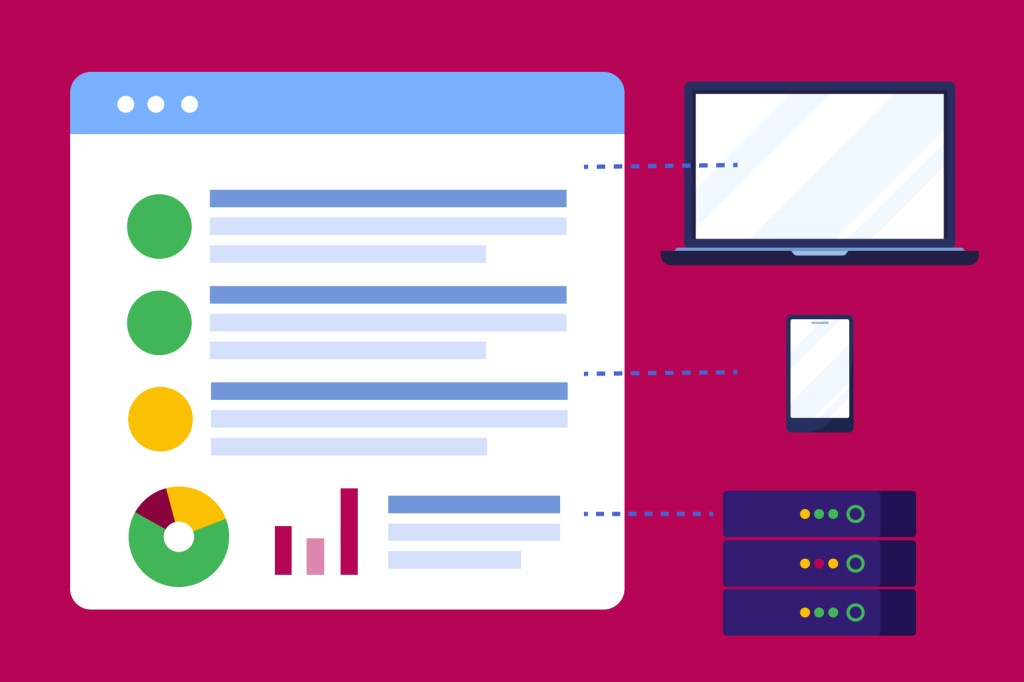
IT asset management covers more than just tracking devices or licenses. It’s a set of connected practices that help you manage cost, risk, performance, and compliance across your entire technology landscape, especially as you work through common ITSM challenges that impact visibility and control. Most businesses organize ITAM into four primary types, each addressing a distinct part of the asset lifecycle and service ecosystem.
Hardware asset management focuses on physical equipment such as laptops, desktops, servers, and network devices. It gives you visibility into where assets are located, who is responsible for them, how they are performing, and when they should be repaired or replaced. With this level of control, you can reduce asset loss, improve refresh planning, support remote and mobile workforces, and maintain accurate inventory records.
Software asset management manages applications, licenses, subscriptions, and entitlements across on-premises and cloud environments. It helps you understand what software you own, what is actually being used, where compliance risks exist, and how renewals and contracts affect cost. Connecting software data to service workflows lets you eliminate shelfware, avoid audit surprises, plan renewals proactively, and align software spend with business priorities.
Cloud asset management extends ITAM into dynamic environments where resources scale automatically and costs fluctuate constantly. It tracks virtual machines, SaaS tools, platform services, and consumption-based resources so you can monitor usage patterns, allocate costs accurately, manage security exposure, and maintain governance without slowing teams down. This visibility becomes increasingly important as intelligent automation and autonomous agents, like Agentforce, interact directly with cloud infrastructure.
Digital and configuration asset management links assets to how services are delivered and supported. These assets represent configuration items, dependencies, integrations, and service relationships that connect technology to business outcomes. Maintaining this context lets you assess incident impact, manage change risk, coordinate problem resolution, and support ITSM best practices.
Learn how AI agents deliver frictionless IT service with automation, intelligence, and security.
When putting together an effective IT asset management system, there are four key components you need to consider: applications, infrastructure, data, and IT staff. Each plays a critical role in tracking and optimizing technology across your businesses.
Applications include operating systems and databases that support your businesses’ day-to-day operations. Properly managing these assets ensures optimal software utilization and helps IT teams plan for upgrades or renewals. AI-driven tools like Agentforce can automate license tracking and provide insights for smarter allocation.
Infrastructure covers all physical technology, including servers, desktops, laptops, networking equipment, and cloud resources. Effective management ensures reliability and scalability across your IT environment. Using autonomous agents or intelligent automation can help monitor system health and predict when equipment needs replacement.
Data encompasses all information generated and processed by your business, including structured databases and semi-structured records. Managing data carefully protects it from loss and allows teams to use it for strategic insights. Integrating ITAM with AI-powered workflows can automate data tracking, classify information, and highlight potential risks.
Your IT professionals are critical to the success of ITAM. They handle system administration, network operations, software support, and security management. Combining ITAM with AI agents or digital assistants lets your staff automate routine tasks, respond to incidents faster, reduce manual work, and focus on higher-value projects that drive business outcomes.
Following best practices ensures IT assets are well-managed, secure, cost-effective, and aligned with business goals.
Selecting the right ITAM software ensures your businesses can manage hardware, software, cloud, and service assets efficiently while reducing risk and cost.
Managing your IT assets doesn’t have to be complicated. With the right approach, you can keep track of your hardware, software, cloud resources, and IT staff, optimize costs, stay compliant, and keep your IT operations running smoothly. Understanding the key components of ITAM, following best practices, choosing the right software, and monitoring your IT environment lets you gain full visibility, optimize resources, improve efficiency, and make smarter decisions for your technology.
With Agentforce IT Service, you can take your ITAM further by automating workflows, monitoring assets in real time, resolving issues faster, and managing your IT environment proactively. Agentforce IT Service helps you reduce downtime, improve productivity, increase compliance, and maximize the value of every technology investment.
Top service teams are using AI and data to win every customer interaction. See how in our latest State of Service report.
ITAM helps you protect your business by tracking hardware, monitoring software versions, managing licenses, and enforcing security policies. It also allows you to identify vulnerable devices, reduce unauthorized software use, ensure compliance, and respond faster to potential threats.
No, ITAM is valuable for businesses of all sizes. All types of businesses can benefit by controlling software spend, managing hardware efficiently, improving operational visibility, and maintaining compliance with regulatory requirements.
You should conduct IT asset audits regularly, ideally quarterly, semi-annually, or annually depending on your environment. Audits help you verify assets, check license usage, ensure compliance, and identify underutilized or obsolete resources for optimization.