

Key Takeaways
In the software as a service (Saas) world, getting customers through the door, and getting them to stay, is the ultimate challenge. With recurring subscription tools and offerings, there is so much needed to keep customers happy, for life. For many tech companies, the key is the freemium model.
If you’re a small or medium business (SMB) owner considering a new software tool, a mobile app, or any service with digital features, you’ve probably encountered this powerful strategy. But what exactly is freemium, and could it work for you? We will cover what the freemium model is and what it could mean for your business.
What is the freemium business model?
“Freemium” is a blend of “free” and “premium.” It’s a customer acquisition strategy where a business offers a basic version of its product or service for free forever, while charging a premium fee to get access to advanced features, increased capacity, or enhanced support.
Think of companies like Salesforce, Spotify, or Slack. You can subscribe to them on a recurring basis, but these products have free and paid versions. You can use their core services at no cost, but you may hit a ceiling (users, ads, storage, or message history) that nudges you toward the paid upgrade.
For a small business or startup, the free offering lowers the barrier to entry, allowing potential customers to experience your product’s core value with zero risk.
The big benefits for your small business
A well-executed freemium strategy can be a game-changer for small businesses looking to grow quickly and efficiently:
- Rapid customer acquisition: “Free” is an irresistible marketing term. It reduces the friction for a customer to try your product, helping you build a massive user base quickly — often faster and cheaper than traditional advertising.
- Organic word-of-mouth marketing: Happy free users become your best product ambassadors. They tell their colleagues and friends, generating organic buzz and referrals that accelerate your growth at a minimal cost.
- Built-in upsell opportunities: Your free tier is essentially a permanent, hands-on demo. As customers grow, their needs scale, and they naturally hit the limitations of the free version. This creates clear, timely incentives for them to upgrade to your paid, premium plan.
- Rich user data: A large base of free users provides a steady stream of data on how people use your product. This is invaluable for identifying pain points, prioritising features, and refining your paid offerings to maximise conversions.
Start with SMB Basics


The challenges to watch out for
While powerful, the freemium model isn’t a guaranteed path to profit. It comes with its own set of unique hurdles.
Servicing a large, free user base requires significant resources: server power, data storage, and customer support. If your conversion rate to paid customers is too low, you can quickly use up your cash reserves supporting non-revenue-generating users.
If your free tier is too generous, users may never see a compelling reason to upgrade. You must find the perfect balance: offer enough value to hook them, but hold back the features that will become indispensable as their business grows.
And lastly, the “penny gap” is real. Convincing a user who is used to getting a business service for free to suddenly start paying for it can be challenging. Your path to premium must be clear, valuable, and easy to follow.
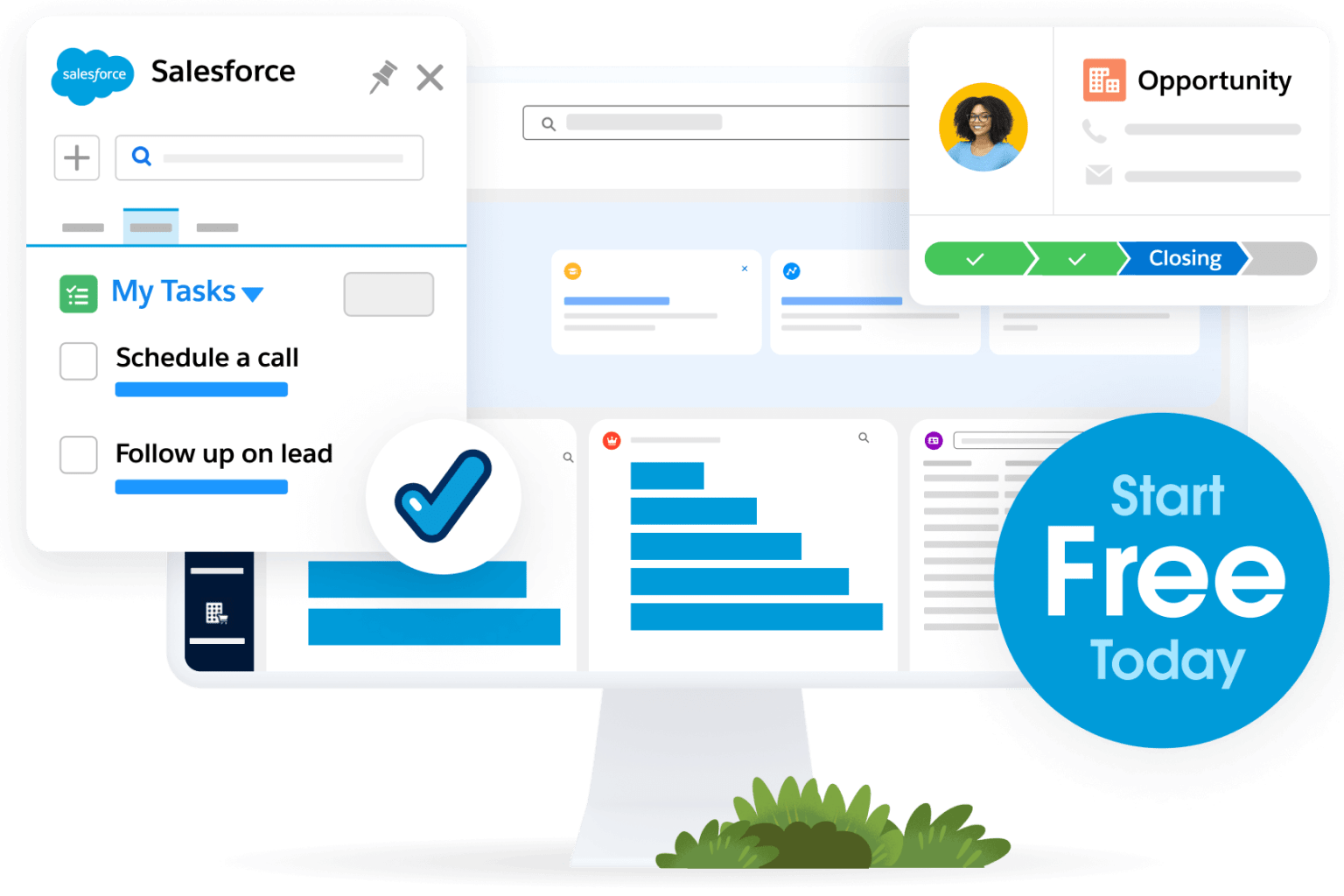
Get Salesforce. FREE for small businesses.
Connect sales, service, and analytics on one platform. Save time, stay organised, and fuel growth with the CRM that scales for small teams.
The role of AI in the freemium funnel
Artificial intelligence (AI) is increasingly influencing how companies optimise their freemium strategy, making the process from a guessing game to a data-driven science.
Predictive analytics for conversion: AI can analyse the behaviour of your free users, like which features they use most, how frequently they log in, and when they hit a key usage limit, to predict which users are most likely to convert. This allows your sales team to reach out with a personalised, perfectly-timed upgrade offer.
Automated personalisation: AI-powered tools can customise the free experience, guiding each user to their personal “A-Ha!” moment faster. For example, a smart onboarding flow can suggest features based on the user’s industry or stated goal, showing them the immediate value of your tool.
Cost-efficient support: AI chatbots and automated AI agents can handle a huge volume of basic inquiries from free users without requiring a costly human support team. This keeps operational costs down while still providing a good user experience.
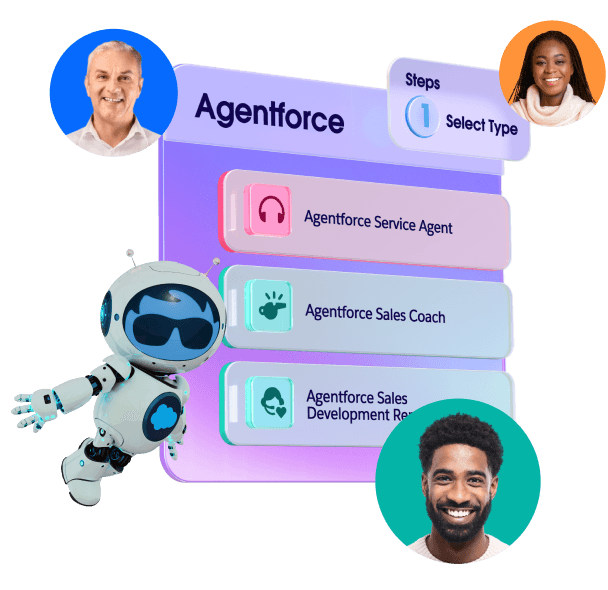
The Guide to AI for Small Business
AI can transform your small business for the better. Get the guide below to learn how.
Tooling up your small business: free tools to get started
As you evaluate tools for your growing business, remember that the right software can eliminate tedious manual tasks and help you focus on sales and growth, often without an upfront cost.
This CRM tool from Salesforce is designed specifically with the freemium mindset for small businesses:
Salesforce’s Free CRM: For businesses just starting out, a free CRM is the most cost-effective way to get organised. It allows you to ditch spreadsheets, centralise your customer data, and get a clear picture of your pipeline, providing the core utility you need to get off the ground, with a clear path to upgrade as your business expands.
Freemium today, growth tomorrow
The freemium model is a reflection of the modern business landscape: provide value first, build trust, and grow together. By understanding the balance between “free” and “premium,” your small business can use this powerful strategy to attract a massive audience and set the stage for long-term profitable growth.
Start your journey with Saleforce’s free CRM today.
AI supported the writers and editors who created this article.
Frequently Asked Questions (FAQs)
A Free Trial provides full access for a limited time. Freemium provides basic access forever, restricting features or capacity instead of time.
Offer enough value for users to experience the product’s core benefit, but hold back key features so the paid upgrade becomes essential as their needs scale.
A generally strong conversion rate (from free to paid) for successful software products is often considered to be between 2% and 5%.
Provide cost-effective support, such as extensive self-service resources and FAQs for free users, reserving personalised human support for premium, paying customers.
It works best for digital products (like software) with low operating costs per user and a product that increases in value as more people use it.