The festive season playbook: Winning India’s Diwali-to-Republic Day shopping rush with AI-powered marketing


Festive shoppers are moving across channels and changing their minds quickly. See how Agentforce and Salesforce Marketing Cloud can help you turn those signals into timely campaigns and sales.

Key Takeaways
Nearly one in two Indian consumers plan to spend more this festive season. That makes the Diwali-to-Republic Day period a big opportunity for retailers, especially when festive shopping already accounts for roughly one in four new shoppers.
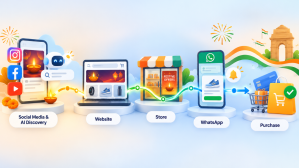
But getting in front of those shoppers is getting harder. The path to purchase is no longer as straightforward as a search, a website visit, and a purchase. Shoppers are discovering products on social media, using AI to research them, and moving between channels before they decide what to buy.
You can see that shift playing out in the data. Social drove a 29% increase in ecommerce visits in Q2 2026, according to Salesforce’s 2026 Shopping Index. And 50% of shoppers globally now use an AI assistant somewhere in their buying journey.
For retailers, that means more opportunities to reach shoppers, but also more signals to keep up with. Especially as a shopper’s intent can change quickly as they move between channels and touchpoints.
The key is making those signals work together, so marketers can respond to what shoppers need as it changes. Here’s how to use connected data and AI to make festive marketing in India more relevant and less spammy.
1. Meet shoppers where discovery is happening
Indian shoppers are already more receptive to new ways of discovering and buying products when compared to global counterparts. 82% of Indian consumers are open to using AI to improve their purchase decisions, versus 58% globally. And 66% of shoppers have bought a product through social media, nearly twice the global figure of 35%.
That means shoppers are leaving more signals as they discover products. A social interaction, AI-assisted search, product view, or purchase can tell you something about what they’re interested in. The challenge is bringing those signals together while that interest is still fresh.
Here’s how you can go about it:
- Start with the signals shoppers are giving you: Track what shoppers do across social, AI-assisted shopping, your website, and campaigns. Product views, ad clicks, searches, and purchases each give you a different signal of interest or intent.
- Bring those signals together: Bring those new discovery signals together with customer profiles, past purchases, product interactions, and other commerce activity. This gives you unified data of what a shopper is interested in, what they’ve bought before, and where they are in the buying journey.
- Build audiences around current behaviour: Use real-time audience building tools to group shoppers based on what they are doing in the moment. For example, create an audience of shoppers who viewed a festive product category but haven’t purchased, and update that segment as their behaviour changes.
- Activate those audiences where shoppers are discovering products: Reach relevant audiences across paid channels. AI agents can help create and refine audiences, personalise engagement, and respond as new customer signals come in.
For example, if you use Salesforce Marketing Cloud (and Agentforce), you can first connect all signals with Data 360 to build first-party audience segments. In fact, Agentforce lets you build dynamic segments with just natural language prompts.
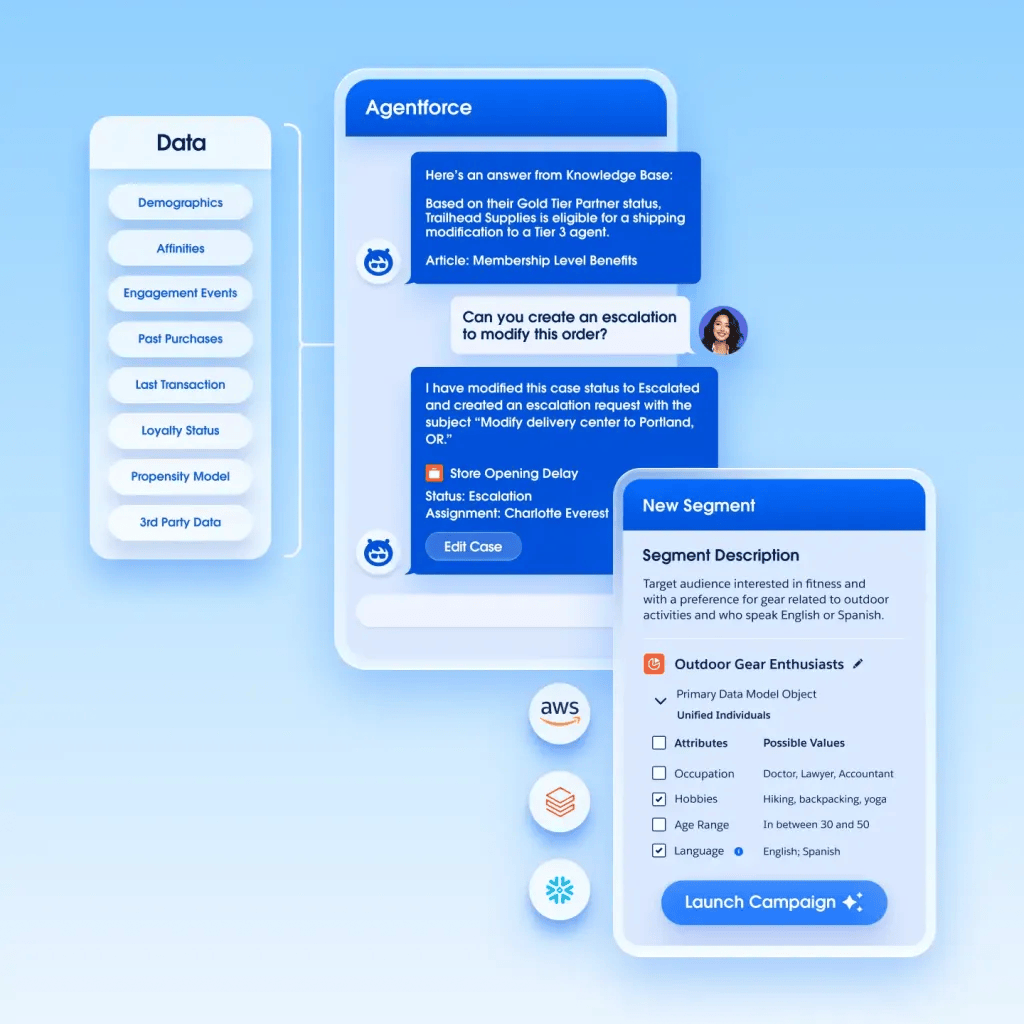
You can then activate those audiences through digital advertising across platforms such as Meta, Google, Amazon Ads, and The Trade Desk. As shopper behaviour changes, AI agents can refine the segments and send updated signals to advertising platforms, helping campaigns stay aligned with what shoppers are actually doing.
2. Use AI to remove friction from the buying journey
69% of Indian online shoppers say finding the right product is the most time-consuming part of shopping. That’s a lot of work to put on the shopper, especially during the festive season when they’re comparing products, prices, and offers across a crowded market.
Conversational AI can take some of that work off their hands. Instead of making shoppers search, filter, and compare products themselves, an AI shopping assistant can understand what they’re looking for and narrow down the options.
Shoppers are already showing that they value this kind of help. In Salesforce’s global 2026 Shopping Index, 41% say a brand-owned AI answer makes them much more confident about a purchase.
The quality of that answer, however, depends on how well the assistant understands the request and the products it can recommend. This is where semantic search comes in:
- Traditional search looks for words that match the words in a product catalogue
- Semantic search, on the other hand, interprets the meaning of a shopper’s request, so it can handle natural-language searches, synonyms, misspellings, and more specific descriptions of what someone wants.
Agentforce uses semantic search, but takes it a step further by building a custom small language model (SLM) for each brand. This helps it learn both the retailer’s product catalogue and historical shopper behaviour to surface more relevant results.
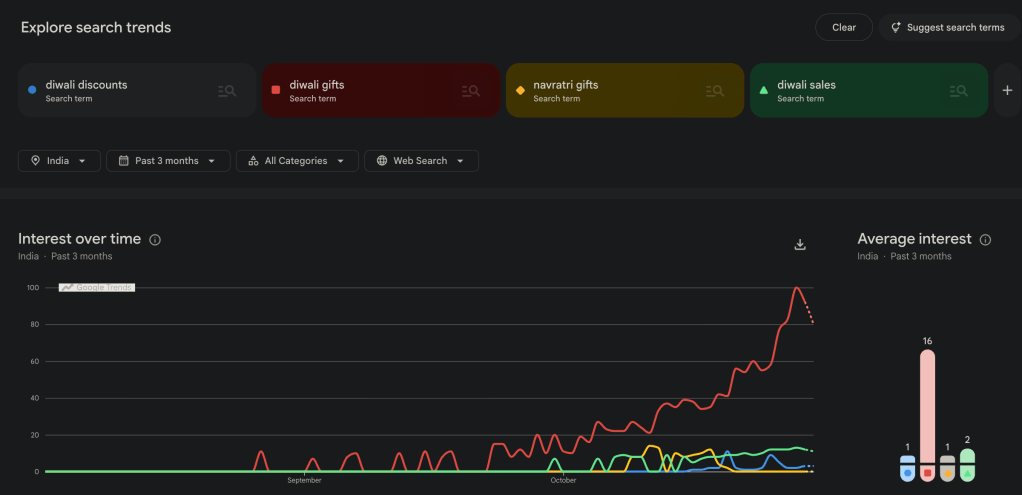
Interest in festive shopping is already picking up, with searches for Diwali gifts and sales rising sharply over the past month. Getting your AI shopping agents ready now gives them time to handle the higher traffic, product questions, and shopping requests that come with the festive rush.
And with Agentforce Builder, you can get those agents ready faster. Pre-built templates and building blocks give you a starting point, so you can launch the shopping experience before festive traffic peaks.
3. Turn live intent into timely, relevant conversations
Festive campaigns need to respond to what shoppers are doing now, rather than sending them through a fixed sequence. In India, 63% of consumers want hyper-personalised recommendations. At the same time, recent research also says overly intrusive AI personalisation can increase resistance and distrust in brands.
One way to avoid being spammy when personalising communications is to let the shopper’s behaviour decide when and what you send next. This is what you’d call an adaptive customer journey. Instead of putting every shopper through the same sequence, you respond to changes in their behaviour and adjust the next step automatically.
In Salesforce Marketing Cloud, for example, when a shopper browses a product or engages with an offer, you can use that signal to determine the next best action. You can recommend a relevant product, send a personalised offer, or choose the right channel for the next interaction. As the shopper responds, those new signals can shape what happens next.
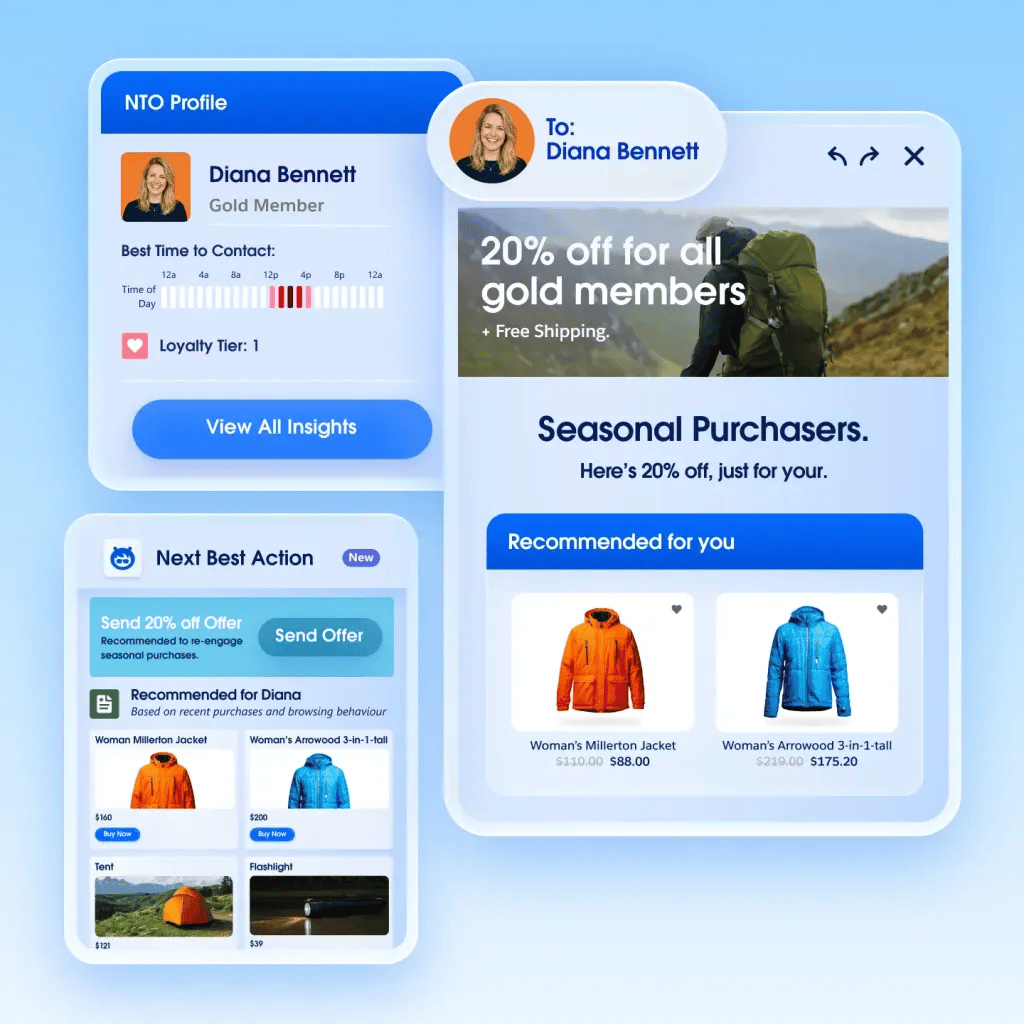
You can also carry that conversation across the channels shoppers already use, including email, SMS, WhatsApp, and mobile. A shopper might get a personalised offer by email, respond with a question on WhatsApp, and continue the conversation there with the relevant customer and product context.
WhatsApp can be particularly useful during the festive season, when shoppers may want quick answers about products, offers, availability, or orders. As Meta’s WhatsApp Business Platform integrates with Salesforce, you can send personalised messages and let shoppers reply in the same WhatsApp conversation.
For example, a shopper might ask where their Diwali order is, get an update on its delivery, and ask a follow-up question about the order, all in the same conversation. Even better, AI chatbots can handle such common questions, so your team doesn’t have to manage every interaction manually.
4. Carry momentum from one festival to the next
India’s festive shopping season builds through Navratri and Diwali, then continues through Black Friday Cyber Monday (BFCM), Christmas, and Republic Day. Each peak gives you another chance to reach shoppers, learn what they respond to, and carry that insight into the next campaign.
If a shopper showed interest in festive fashion during Navratri, that signal can shape what you show them around Diwali. Here are two ways to keep the momentum going:
Connect online and in-store shopping
A shopper might see a product on their phone, research it online, and then head to a store to buy it. The Salesforce 2026 Shopping Index found that 79% of shoppers use their phones while shopping in-store, while 42% of holiday shoppers visited a store to buy something they had researched online.
Connect in-store and online interactions so you get better data to inform your next campaign. Someone who researched festive fashion online and bought it in-store, for example, can receive different recommendations from someone who only browsed.
In Salesforce Marketing Cloud, Data 360 brings customer signals together, while Marketing Intelligence connects performance and attribution across channels. You can trace a shopper’s path from their first interaction through to purchase and see how different touchpoints contributed.
Set up rewards that carry into the next peak
The purchase shouldn’t be the end of the relationship. Rather, make it the reason to bring the shopper back for the next festive peak. Ipsos found that 62% of urban Indian consumers use discounts to influence their festive purchases. Use what shoppers bought and how they engaged with your brand to make the next offer more relevant.
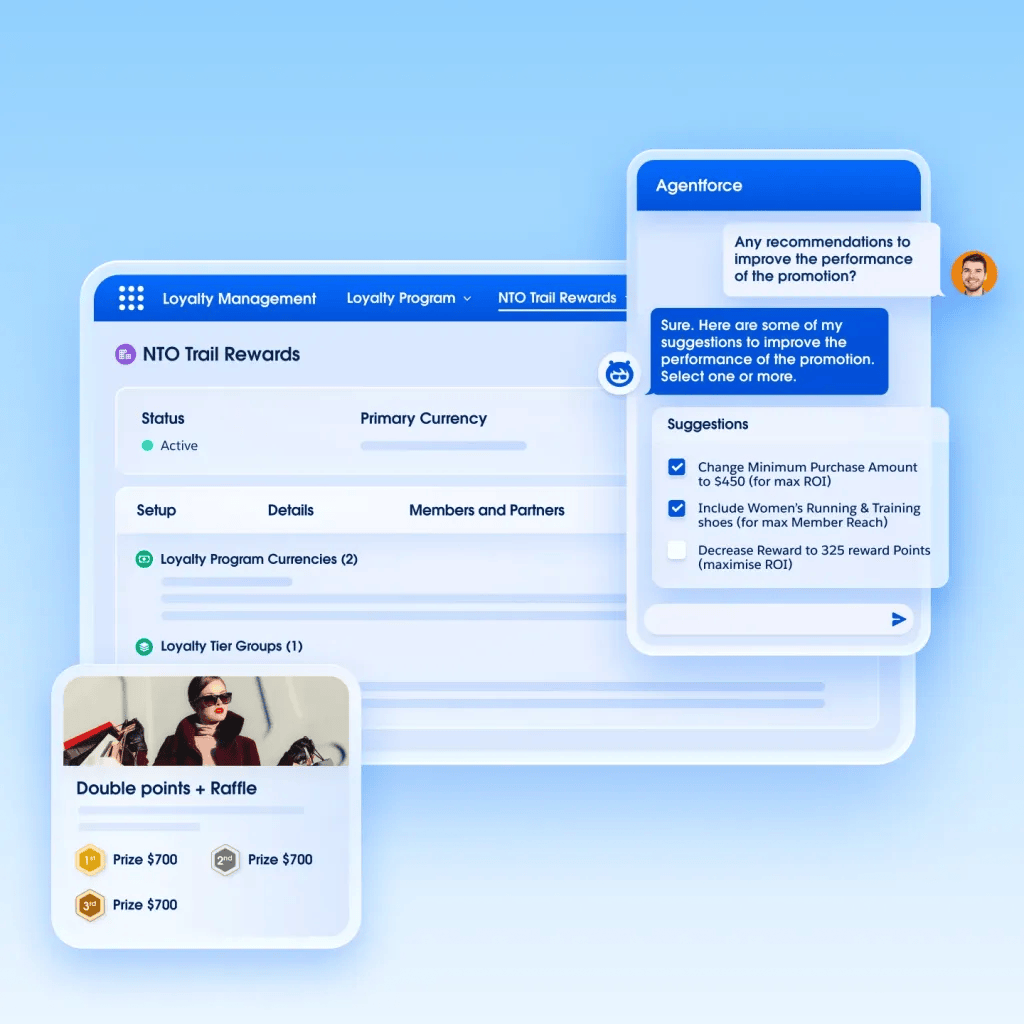
And with Agentforce, you can do this automatically by sending personalised rewards based on customer activity. For example, someone who bought festive clothing during Diwali could receive a reward for a complementary purchase during BFCM. Then, depending on whether the shopper redeems the reward or ignores it, you get another signal to use in the next campaign during Republic Day.
Turn customer signals into festive sales with Salesforce Marketing Cloud
Shopper intent can change from one week (and peak) to the next, giving marketers new signals to act on and new opportunities to keep shoppers engaged. Salesforce Marketing Cloud helps you turn those signals into action.
You can build audiences from live behaviour, adapt journeys as shoppers respond, personalise offers, and carry customer context across channels and campaigns. Each interaction gives you more data to work with, so the next campaign can build on what you learned from the last one.
As the festive season approaches, try Salesforce Marketing Cloud to see how it can help your retail marketing team turn live shopper signals into timely campaigns and sales.