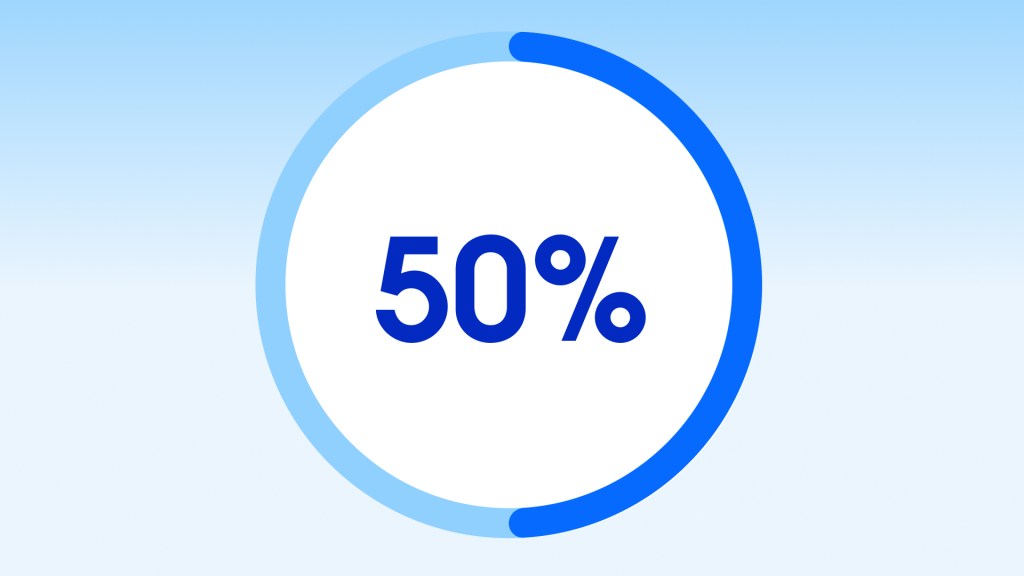
Half of Slack Messages Are No Longer From People. Here’s Slack by the Numbers.
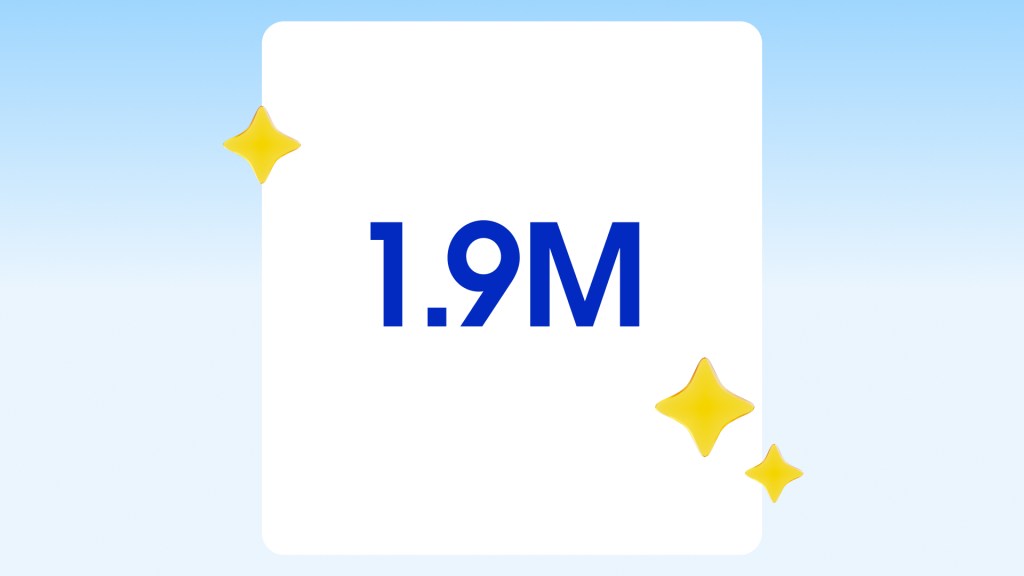
More than a decade ago an engineering team built Slack because they needed a way to coordinate code, log alerts, and talk to each other all in one place. Now, as AI agents move from pilots into live business production, they’ve entered the channels where people already collaborate: Through open standards like MCP, agents can pull context from Slack across platforms like GitHub, Salesforce, and Jira to take direct action in real time. Slack now processes 127 million of these automated actions, called MCP tool calls, every week, a figure that is doubling quarter over quarter.
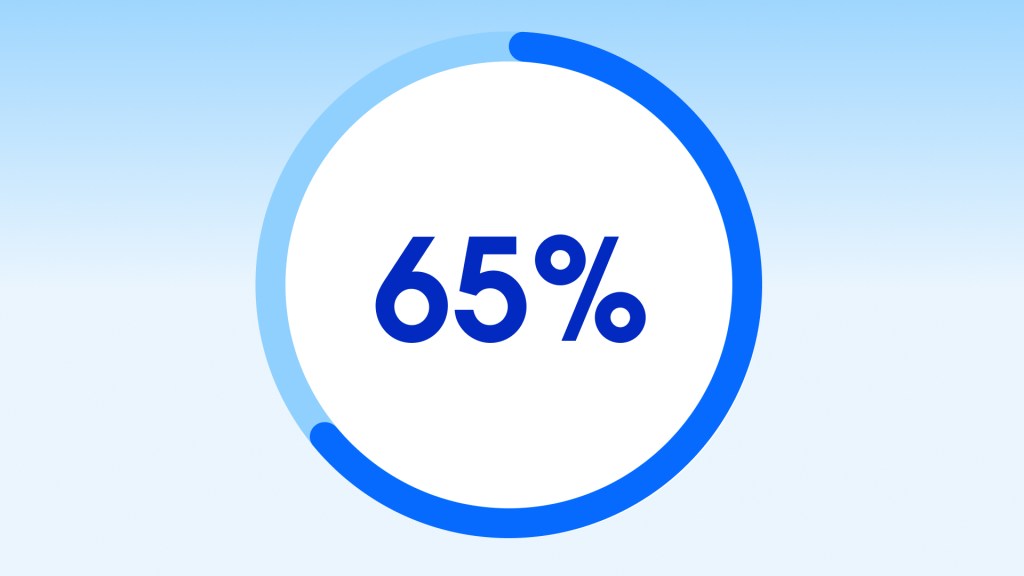
Today, at Anthropic alone, 65% of all code changes ship through Slack, and users send a billion messages on the platform every day.
Six years after Slack joined Salesforce, we’re sharing some data that shows how Slack’s origin in humans and software working side by side became the execution layer for humans and agents working together.
Scale and momentum

To keep pace with demand across billions of semiconductor devices, Rochester Electronics uses Slack as an operational command center where humans and automated workflows work side by side. The company has seen rapid adoption of Slackbot and reusable Skills, empowering employees to instantly generate executive briefings, prep for customer meetings, and conduct sales performance analysis from one place. Combined with custom Slack workflows that automate routine administrative tasks and surface critical Salesforce notifications, Rochester has removed daily operational friction and turned conversations into fast execution.
Some tasks feel like stopping at a traffic light every few minutes of a journey. The journey shouldn’t take that long, but you get stuck at every red light. Slack helps us remove those obstacles that stop the flow of work.
Colin Strother, Executive Vice President, Rochester Electronics
#1 home for agents
Where the AI world builds

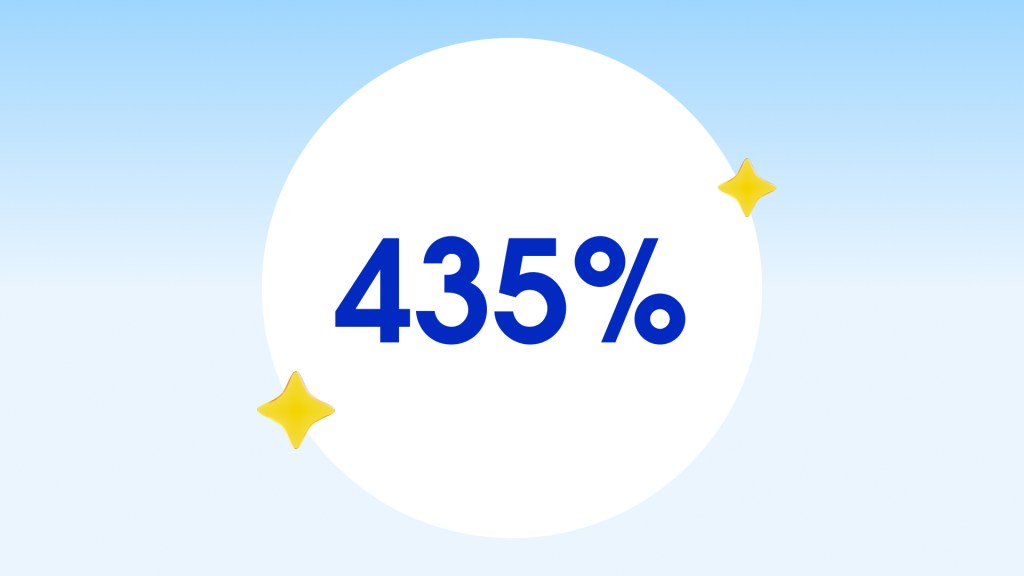
Vercel, a leader in agentic infrastructure, runs its entire company in Slack. Decisions from engineering to go-to-market happen in public channels, and hundreds of Slack Connect channels give customers and partners a direct line to the team. Employees search Slack more than 250,000 times a month, and transparent communication eliminates more than 70,000 hours of meetings a year. Vercel also runs agents in Slack. Its inbound sales agent lets one rep handle lead qualification, research, and outreach drafting that would otherwise take a team of 10. And now as a Slack Code launch partner, Vercel is extending that model to software development, bringing its agent into code channels where whole teams build together.
“At Vercel, everything starts in Slack. It’s our power grid for operations,” said Matt Lewis, Partner Sales Engineer at Vercel.
Salesforce Runs on Slack

Read more:
- Learn about how Slack is pioneering the multiplayer era of AI
- Slack recently announced Slack Frontline for deskless and shift workers