



Affiliate marketing is one of the most effective ways to generate passive income online. Once you sign up for a participating platform, you’ll get a unique affiliate link. You can then embed this in your website, blogs, emails, or social media. When a consumer clicks that link and buys a business’s products, you’ll receive a percentage of the sale.
In return for providing a cut of the profits, the participating business benefits from cost-effective marketing, helping them attract more customers and generate more sales. Think of it as a mutually beneficial partnership. It’s no surprise that the global affiliate marketing industry is worth around $17 billion and is on track to hit $27.78 billion by 2027.
In this article, we’ll share what affiliate marketing is, how to start doing it yourself, and how much you can earn in 2026.
What you’ll learn:
- What is affiliate marketing?
- How affiliate marketing works
- How much do affiliate marketers earn?
- The benefits of affiliate marketing
- What are the different types of affiliate marketing?
- What are the different types of affiliates?
- What are the most popular niches for affiliate marketing?
- 7 steps to get started with affiliate marketing
- Grow your affiliate marketing with Salesforce
- FAQs
What is affiliate marketing?
Affiliate marketing is when a third party, like an influencer, promotes a business’s products or services and earns a commission for each sale they help generate. It works through a unique tracking link shared by the affiliate. When someone clicks the link and buys something, the system tracks the sale and pays the affiliate a portion of that purchase.
For example, a YouTuber might share a product in their video, then direct their audience to click the link in their video description to learn more. When someone clicks through that link, it will record that they came from the YouTuber’s link.
How affiliate marketing works
Affiliate marketing follows a simple structure where businesses reward their affiliate partners for driving traffic or sales through their promotion. Here’s how the process typically works, step-by-step:
Step 1: Share the product
The affiliate partner creates content that promotes a product or service. This content includes a unique tracking link that identifies them as the referrer.
Step 2: Customer clicks the link
A customer clicks the affiliate’s link and visits the business’s website. If they make a purchase or complete another conversion action, like filling out a form, that activity is tracked.
Step 3: Track the sale
The affiliate link contains an ID (UTM) and might connect this with cookies to record the referral source. This makes sure that the sale is attributed to the correct place.
Step 4: Get paid
After the sale is confirmed, the business pays the affiliate based on their agreed commission model. Common payment models are:
- Pay-per-sale (PPS): Commission for each completed sale
- Pay-per-lead (PPL): Payment for generating leads, such as free trial sign-ups
- Pay-per-click (PPC): Earnings for each click, regardless of a sale
In practice, this might look like a travel blogger writing a post about the best hotel in Paris and including an affiliate link to a booking site. When a reader clicks the link and books a stay at the hotel, the booking platform tracks the referral through the blogger’s UTM code and pays them a commission.
How much do affiliate marketers earn?
Affiliate marketing income can vary widely depending on the promoter’s follower count, niche, and traffic quality.
According to Hostinger, beginners can often earn small commissions from their audience, while those with larger audiences or established content channels can generate significant revenue each month. Here’s what they estimate that looks like.
| Audience size | Estimated monthly earnings* |
| Small | $0 to $1,000 |
| Medium | $1,000 to $10,000 |
| Large | $10,000 to $100,000 |
| Enormous | $100,000+ |
*According to Hostinger.
For a real-world example, personal finance site NerdWallet, one of the most successful affiliate-driven businesses, reported US$209.2 million in revenue for Q1 2025, with a growth rate of 29% year-over-year.
The benefits of affiliate marketing
Affiliate marketing benefits both the businesses running programs and the affiliates promoting them. It allows brands to gain reach and sales, while affiliates earn income for their contribution.
For businesses
Affiliate marketing allows businesses to grow by partnering with creators, publishers, and websites that already speak to their ideal customers. Here are all the benefits for businesses.
- Pay for results: Businesses only pay for outcomes, like sales or leads, making it a cost-effective marketing strategy.
- Reach new audiences: Affiliates help brands access new audiences using their already trusted voice.
- Build trust and personality: Partnerships with relevant creators add authenticity and human connection to your brand.
- Low marketing costs: Compared to traditional advertising, affiliate programs deliver a great ROI with minimal to no upfront costs.
- Useful data and insights: Affiliate tracking provides valuable insights into which products, campaigns, and content perform best.
- Easy to grow: Businesses can easily grow their network of affiliates to increase visibility and revenue at scale.
For affiliates
For individuals and creators, affiliate marketing offers a flexible and low-risk way to build income online. Here are a few more benefits you can look forward to.
- Low cost: There’s no need to develop products or manage inventory. Affiliates can simply promote offers that already exist.
- Good earning potential: Successful affiliates can build recurring revenue through ongoing sales or commissions. It’s a set-and-forget way of generating income.
- Work from anywhere: Affiliates can work from anywhere, setting their own hours and goals.
- Room to grow: As traffic and influence grow, so does your earning potential. You can even promote multiple affiliates in a single piece of content.
- Promote what you love: Affiliates have the freedom to choose products that genuinely align with their passion and audience.
What are the different types of affiliate marketing?
To further explain the concept of affiliate marketing, let’s break down three major types you should know about: unattached, related, and involved.
Unattached affiliate marketing
With unattached affiliate marketing, the marketer promotes a business’s products without having any expertise or personal connection to the niche. They’re simply relaying information without having any relation to that product. This is the most common type for paid advertising.
Related affiliate marketing
In this type, the related affiliate marketer promotes products that align with their audience’s preferences and interests. An affiliate doesn’t necessarily use the products, but the products they promote are related to the theme of their content. For example, a cleaning YouTuber receives a commission for promoting a new detergent.
Involved affiliate marketing
With this type, the involved affiliate marketer promotes products they’ve used and believe in. For instance, a dedicated tech review site that tests products and promotes the best ones, earning a commission in the process.
Which type of affiliate marketing should I choose?
Every type of affiliate marketing has its own considerations, benefits, pitfalls, and use cases. Let’s break them down.
| Affiliate marketing type | Unattached | Related | Involved |
| Best for | Paid adverts | Social media and influencer marketing | Affiliate marketing websites and blogs |
| Audience engagement | No audience engagement | Some audience engagement | Very good for building engagement |
| Benefits | Easy to do with little effort | More credible as you’re promoting in your niche | Scalable; good for building trust |
| Drawbacks | Expensive to run paid ads | You could lose audience trust if a product you promote falls short of expectations | Takes a lot of time and effort |
What are the different types of affiliates?
Affiliate marketing includes a wide range of partners, each using different methods to promote products and drive sales. Whether you’re looking to become an affiliate or build a program for your business, here are the main types to be aware of.
| Affiliate type | What they do |
| Content creators | Create content like articles, videos, or podcasts that promote products and include affiliate links. |
| Influencers | Share products on Instagram, TikTok, or YouTube using links or discount codes. |
| Bloggers | Write reviews, tutorials, or listicles that link to products or services relevant to their audience. |
| Coupon and deal sites | Post deals and promo codes that encourage people to buy through a link. |
| Review sites | Compare products or services, like cafes or software, and link to each option. |
| Email marketers | Send newsletters or emails that feature affiliate products. |
| Paid traffic affiliates | Run paid ads on Google or social media to drive traffic and sales through their link. |
| Loyalty or cashback sites | Offer points or cashback rewards when people shop through your affiliate links. |
Each affiliate type offers different strengths. The right choice depends on how well it fits your product and how much effort the affiliate wants to invest. For example, some may prefer earning passive income through links in their content, while others might want to actively run ads to drive sales.
What are the most popular niches for affiliate marketing?
While it’s always best to choose a niche based on your own interests, some sectors have been historically more lucrative than others. Let’s take a look at a few top performers in 2025.
Technology
Tech is a seriously profitable niche because it never stops evolving. Promoting technology Software as a Service (SaaS) products to a tech-focused audience will always be a lucrative choice for those who can prove their credibility. Just make sure the field interests you, as your audience will be able to tell if you lack knowledge in the niche.
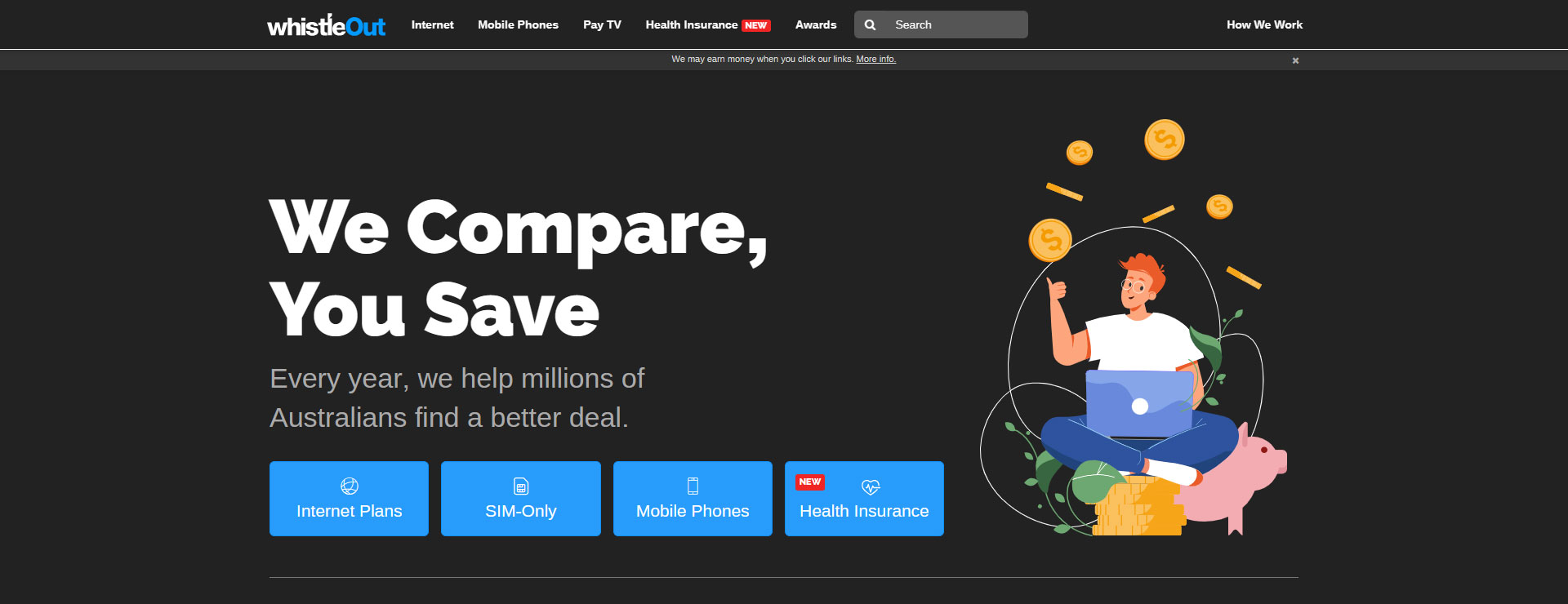
Example: WhistleOut
Source: Whistleout
Tech comparison site WhistleOut earns a small commission when someone signs up for a phone plan through one of its links. The site lists all major providers, even the ones it doesn’t partner with, which helps keep its comparisons fair and transparent.
Personal finance
Promoting financial products can be very profitable, but it’s important to show honesty and transparency so people know they can trust you.
Example: Money Crashers
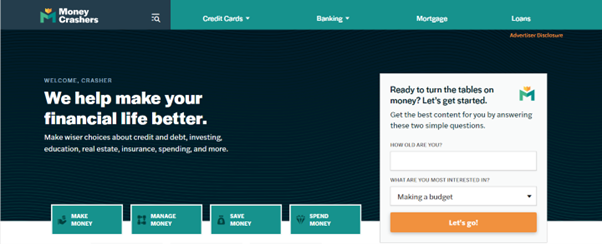
Image source: Money Crashers
Money Crashers shares finance tips to help people take control of their money. The site earns income through affiliate links, such as those that let readers open accounts with major banks in articles about top rewards checking accounts.
Health and fitness
The sheer number of health and wellness products available for affiliate marketing makes this a lucrative niche. As with tech, this field is always growing and evolving as more people make fitness a priority.
Example: Roo’s Home

Source: Instagram
Health, wellness, and beauty influencer @homewithroo earns commissions through affiliates by providing her followers with recommendations for various products. In one Instagram post, she features the Laura Mercier Translucent Powder and Blush, linking to them on Amazon so followers can shop directly.

Image source: Instagram
She talks to her followers in a friendly, relatable way, and shares practical tips they can use. This approach builds trust and often leads to more sales through her links.
Travel and adventure
This is a particularly good niche for involved affiliate marketing. After all, who doesn’t like the sound of travelling the world while testing out experiences and earning commission?
Example: Travel Tom Tom

Image source: Travel Tom Tom
For instance, some affiliate websites, like Travel Tom, review local and electronic SIM card options worldwide to provide information to travellers. On reviews of different SIMs, he provides affiliate links to a partner site, known as SimOptions. When a consumer purchases their eSIM from that site, he makes a commission on the sale.
7 steps to get started with affiliate marketing
Building an affiliate network isn’t necessarily complex. However, the more time you invest in the beginning, the better your chance of making serious cash. Let’s dive into our seven steps to successful affiliate marketing.
Step 1: Choose an affiliate niche
You don’t have to decide on a single affiliate marketing product, but carving out a niche will often help you land more commissions.
Picture it this way. If you were to trust an affiliate link for a new smartphone, would you be more likely to trust a credible tech review site or a car blog? The more your audience trusts your recommendations, the more affiliate marketing conversions you’ll get.
So how do you choose a niche? Here are a few considerations to think about:
- Is the niche going to make me any money? Choosing a niche that isn’t oversaturated might seem like a good idea, but this also could mean consumers won’t be interested in the products you’re promoting. Opt for a niche that strikes a balance between popularity and oversaturation.
- Does the niche genuinely interest you? To really connect with consumers, you’ll need to have a genuine passion for your speciality. You don’t have to use the products you promote, but you do need to prove you’re an expert on your topic. Choose something that engages you.
- Am I experienced enough in this area? You don’t have to be an expert in your niche right now, but it helps to have some background knowledge of your sector prior to getting started.
Pro tip: Choosing a niche with good financial prospects is one thing, but selecting a speciality that interests and engages you is equally important. Affiliate marketing takes time. If you choose a niche that you’re not passionate about, you’ll risk losing interest, plus your audience will be less likely to trust you.
Step 2: Decide on your marketing channels
With your niche secured, decide on your marketing channels to promote other businesses’ products.
This may already be obvious to you. You may already have a well-established website, blog, or social media profile. However, if you’re starting from scratch, here are a few potential options:
- Create an informative blog related to your niche: A blog related to your specialism is one of the most effective strategies to build a loyal following. For instance, posting about the latest news in the health sector will draw a specific audience that is interested in that field.
- Create videos for social media platforms: You probably already know that social media is the new way to connect with a large audience. Whether it’s Facebook, Instagram, YouTube, or TikTok, choose a channel best suited to your niche and skill set, then post informative content to grow your user base.
- Build a product review site: Product review sites are one of the easiest ways to get started with affiliate marketing. Simply buy a product, review it on your blog, and link to it on your preferred affiliate program.
Pro tip: Focus on one channel first and test what works before expanding. It’s easier to grow an audience and refine your content style on a single platform than to spread yourself too thin.
Step 3: Choose your affiliate program
Next, you should choose an affiliate marketing program that aligns with your niche. While a broad platform like Amazon’s affiliate program is never a bad option for beginners, there are more niche programs that may appeal more to your target audience. Here are some things to consider:
- Does the affiliate tie in to my speciality? You aren’t going to have much success promoting a health and wellness brand if you’re focused on the tech space. Choose an affiliate program that aligns with your niche.
- Do the products align with my audience’s needs? You should aim to find a business with products that can be genuinely useful to your audience. This will help you build trust and improve affiliate sales.
- Does this affiliate offer reasonable commission rates? Make sure your chosen affiliate program offers a commission you’re happy with. But remember that high pay rates aren’t everything. A low-commission product category that’s in demand may make you more money with affiliate marketing in the long run.
Here are some of the most common affiliate platforms in Australia to help you get started:
- Commission Factory
- Awin
- Impact
- Rakuten Advertising
- Partnerize
- ShopBack Partners
- ClickBank
- Amazon Associates Australia
Pro tip: One option is to start with brands you know and check if they have an affiliate program. For example, if you’re running a beauty blog, which beauty brands do you love? More than 80% of brands use affiliate marketing, so your odds of finding a program offered by a business you trust are high.
Step 4: Create valuable content
Now, for the hard part. There are millions of blogs and social media channels online. To stand out, you need to create high-quality content that draws your audience in and makes them want to stick around.
Whatever your marketing channel, you must prioritise providing value to the audience. What are they looking for? How can you offer something unique? What will make consumers keep coming back? Here are some ideas to consider for excellent content creation.
- Conduct original research
- Collaborate with experts to offer insights
- Buy products and test them to provide an honest review
- Incorporate engaging visuals and infographics
- Be conversational and authentic
- Answer common questions your audience might be having
- Back up your information with data
- Incorporate storytelling into your content
- Provide more up-to-date information than competitors
- Create lead magnets (like eBooks and PDFs)
Ultimately, your affiliate marketing efforts will only scale if you can bring more traffic to your marketing channel. It’s important to invest the time to create content that facilitates that.
This could range from developing relationships with brands and influencers to email newsletter collaborations. For example, content marketers who have an email list might run cross-collaboration email campaigns if they share similar audiences. To streamline this, you could also use email outreach software to automate the process.
If you are a YouTube content creator, it is also quite common to organise talks, interviews, and discussions with another YouTuber who has a similar target audience to increase your YouTube subscribers on both YouTube channels. This is especially common in the personal finance space.
Pro tip: One detailed, useful piece that genuinely helps your audience will build more trust and long-term traffic than several rushed posts ever could.
Step 5: Build an audience
Once you’ve started creating exceptional content, there’s still work to do. You need to start driving traffic to your channel through digital marketing so people can find the material you’re producing.
There are a few ways to achieve this. You can use search engine optimisation (SEO) to target specific keywords and help users find your content organically. On the flip side, you can also opt for paid advertising to bring website traffic to your content faster. (One note of caution: this can be expensive.)
Once you have an initial following, you’ll need to build trust with your audience to keep them returning to your site. An email list for fans will let you create authentic connections with consumers. You can also communicate directly with followers on social media platforms or in blog content.
Pro tip: The goal here is to build an audience that trusts you and respects your credibility. Once you’ve done that, gaining passive income from affiliate marketing becomes a whole lot easier.
Step 6: Optimise your link placements
Once you’ve cemented a following, you can begin to include affiliate links. Here are some tips.
- Include your links only when relevant. Don’t force them in, as this looks dishonest.
- Place your links in positions that are easy to see. Use tables and buttons that draw the eye.
- Remember to tell your followers you’re promoting a brand as an affiliate. Failing to disclose this is a compliance breach.
Pro tip: Track how each link performs using tools or UTM tags. This helps you see which placements get the most clicks and sales.
Step 7: Monitor your progress
You’re all set. The last thing to do is to track your progress as you go. Note which products and affiliate programs drive the most success. You can use this information to improve and refine your approach over time.
A local case study: NOMADasaurus

Image source: NOMADasaurus
Australian adventure travel blog NOMADasaurus has mastered turning informational content into affiliate marketing opportunities. The business understands its niche and audience perfectly. In addition to tourism information, they regularly post guides to travel equipment and gear, which is the ideal opportunity for commissions.

Image source: NOMADasaurus
For instance, in its blog about the best travel cameras, the brand includes links to several brands with affiliate programs, including GoPro and Amazon. These links aren’t overly complicated. They talk about the product, review it honestly, and embed a link in the camera’s name.
You’ll note that NOMADasaurus is hyper-focused on its audience. The brand is all about travel, and the content is tailored to match. Take that lesson and apply it to your own affiliate marketing business. If you can carve out your niche and build trust with your audience, you’ll have much more success getting clicks that drive commissions.
Grow your affiliate marketing with Salesforce
An affiliate campaign is one of the most effective ways to earn passive income online. With a commitment to your niche, an understanding of your audience, and a small amount of investment, you can earn consistent cash with little risk.
The first step to becoming an affiliate marketer is creating a marketing channel that customers want to engage with. Salesforce Marketing Cloud can help you segment your audience, learn what they need, and create tailored content that builds trust and drives web traffic to your chosen marketing channel.
Our CRM platform will keep your customer data in one place, making connecting with your audience easier and providing them with value at every touchpoint.
Watch the Marketing Cloud demo to learn how Salesforce can make your affiliate marketing journey a success. Alternatively, you can browse the full range of Salesforce products here.
FAQs
Do I need a website or blog to do affiliate marketing?
Not at all. A website is an excellent affiliate marketing choice, but only one of many options. You can use social media, email marketing, or a YouTube channel instead.
How do I choose a niche for affiliate marketing?
Choose a niche that is likely to be profitable but also one that interests you. Ultimately, you’ll need to have a passion for your specialty for your audience to buy in.
Can I join multiple affiliate programs?
Yes. You can join as many affiliate programs as you like. This can increase your earning potential. Just be sure they align with your audience and niche.
Are there any risks associated with affiliate marketing?
If you’re relying on affiliate marketing as your sole source of income, you may have good and bad months for revenue. In addition, there’s the possibility of noncompliance if you fail to disclose that you’re an affiliate of a brand.
How do affiliate marketers get paid?
Many affiliate marketing platforms offer a pay-per-sale structure (a percentage of the final sale). Some might offer a pay-per-click (a flat fee for every click) or pay-per-lead (payment for every lead generated) structure instead.