Mobile Commerce: Benefits, Trends and Strategies For 2026

Explore mobile commerce worldwide trends for 2026, how it’s changing in Australia, and how retailers can build high-converting mobile experiences.

Shoppers turn to their phones to discover products, compare options and decide where to buy, whether they’re in-store or at home browsing from their couches.
In our latest Connected Shoppers Report, we found that consumers expect physical stores to account for only 41% of their purchases in 2026, down from 45% in 2024. On top of this, Australia’s smartphone adoption is forecast to reach 87% by the same year. Together, these trends show how central mobile has become to the customer journey, putting the spotlight on opportunities for retailers.
Mobile puts your brand in your customers’ pockets, but it also puts your competitors there, too. That’s why having a clear mobile commerce strategy matters.
In this article, we’ll cover the benefits of mobile commerce, the trends defining 2026, and the strategies retailers can use to create an industry-leading mobile experience.
What you’ll learn:
- What is mobile commerce?
- Types of mobile commerce
- What are the benefits of mobile commerce for the customer?
- What are the benefits for your business of offering mobile commerce?
- The top trends shaping mobile commerce in 2026
- How to build a winning mobile commerce strategy
- The challenges of mobile commerce (and how to solve them)
- The future of mobile commerce
- FAQs
Discover global insights and trends from 8,350 shoppers and 1,700 retail industry decision-makers.
What is mobile commerce?
Mobile commerce is buying and selling goods or services through mobile apps and mobile-optimised websites. It sits within the broader category of ecommerce, but focuses on the device and context of the mobile experience.
In many ways, mobile commerce is the natural evolution of ecommerce. As mobile usage has grown, retailers have moved from simply making their websites mobile-friendly to building full mobile ecosystems. This brings payments, loyalty, product discovery and customer service into one place.
Types of mobile commerce
Mobile commerce isn’t only browsing product categories from your phone; instead, it covers several different experiences. Below are the core types of mobile commerce and some examples of how shoppers use them today.
Mobile shopping apps
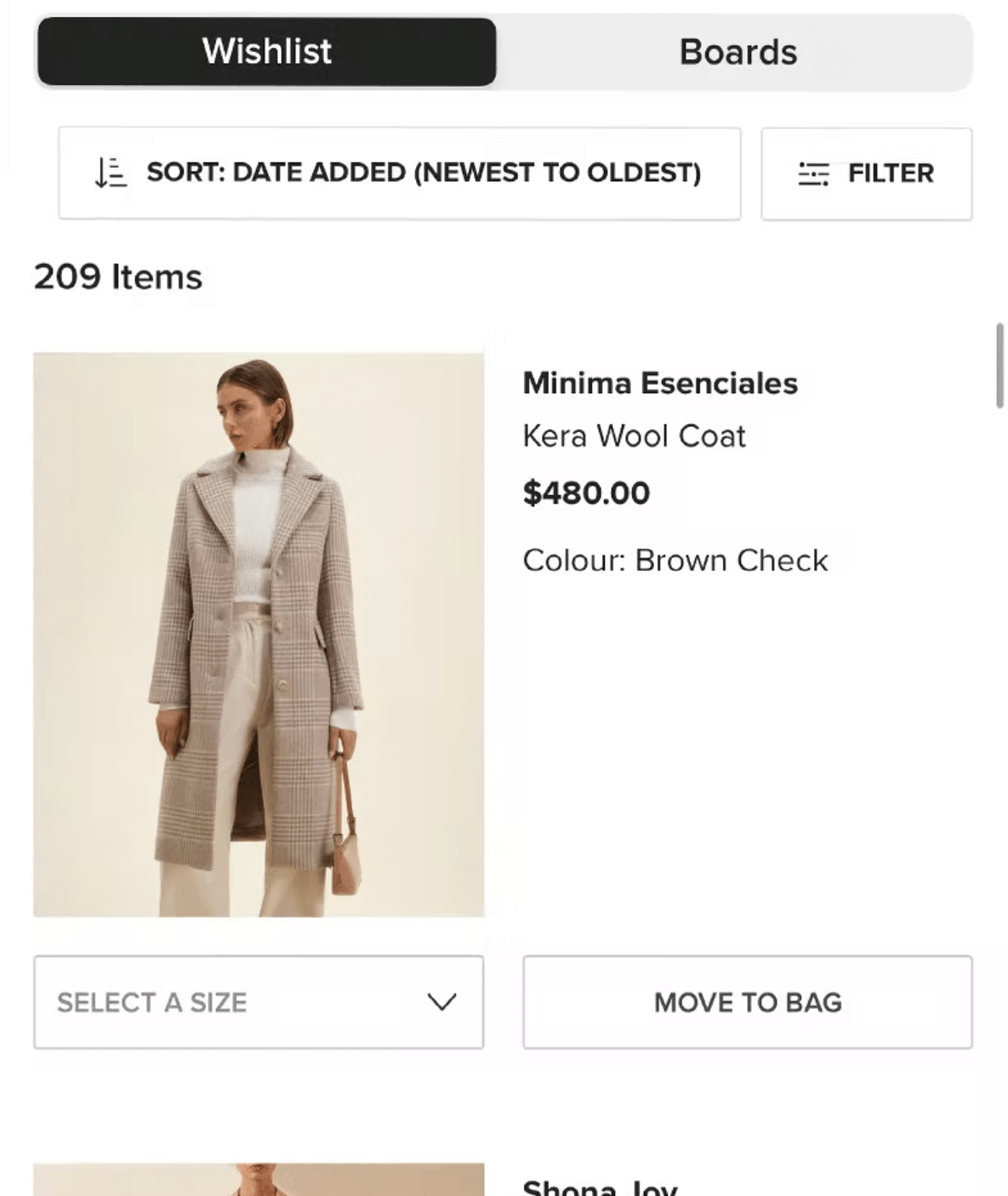
Mobile shopping apps let customers browse products, read reviews and check out directly on their phones. They’re popular because they offer fast load times, personalised recommendations and saved payment details that make purchasing simple.
For example, someone might see an outfit they like on social media, open The Iconic’s app on the train and add a few pieces to their wishlist before work. They can then check out later when they have more time.
Mobile payment apps
Mobile payment apps store card details and let customers pay securely with their phones, both online and in-store. People use them because they remove friction at checkout and provide extra security through biometrics (your face ID or fingerprint).
For example, a shopper at Woolworths could tap their phone to connect their Everyday Rewards loyalty account and then pay for their groceries with their Apple or Google Pay.
Mobile banking
Mobile banking apps let customers manage their finances on the go. Users can pay bills, review transactions, transfer funds and set spending limits from their phones.
Banks like ANZ and CommBank have built full mobile experiences – a strong banking app is now considered table stakes. It’s useful in everyday moments, like paying back a friend for a movie ticket purchased together.
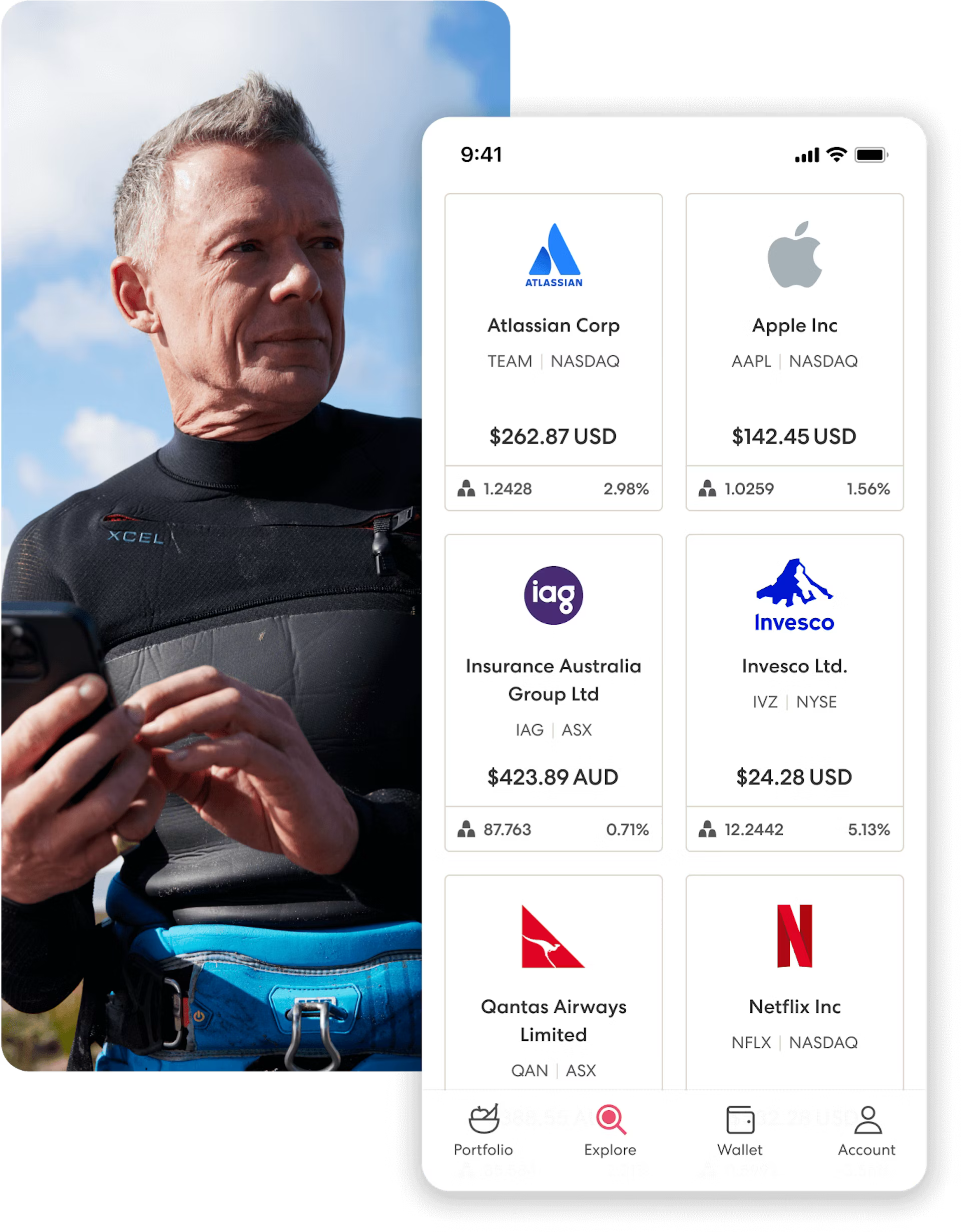
There are also financial services apps that have become increasingly popular, including share-trading platforms. For example, New Zealand startup Sharesies lets people buy and sell shares, track their portfolio and invest small amounts directly from their phone.
In-app purchases
In-app purchases happen inside non-retail apps like games, wellness platforms or streaming services. They’re popular because they feel easy to engage with and are integrated into the experience.
For example, someone using the meditation app Headspace could unlock a specialised meditation pack or upgrade to a full subscription directly from the session screen.
Social commerce
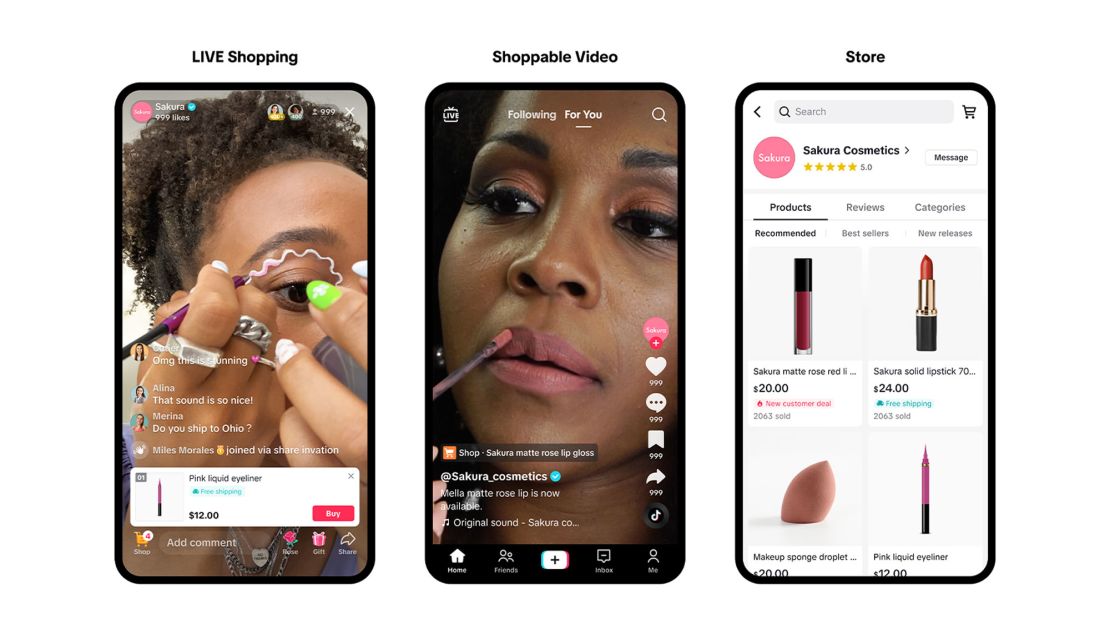
Social commerce lets customers discover and buy products directly through social platforms. Instagram Shops, Facebook Marketplace and TikTok Shop all make it easy to purchase from brands without leaving the app.
While TikTok Shop is not fully rolled out in Australia yet, the platform has been increasing its local presence through initiatives like the Australian TikTok Awards. Many see this as a sign that TikTok is likely to bring even more investment, including its shopping features, to Australia.
What are the benefits of mobile commerce for the customer?
Mobile commerce helps businesses sell more because it feeds on how people make purchasing decisions. On their phone, shoppers can move from discovering something new to ordering it for a quick delivery, with the least amount of friction.
Here are some of the key benefits customers get from the mobile commerce experience, and the psychological reasons mobile works so well.
Convenience and speed
People naturally prefer the path of least resistance. When a shopping task takes fewer steps and can be done in under a minute, it feels easier to act now rather than “do it later.”
Mobile removes this friction, which increases orders and also makes it easier for people to put extra things in their cart, increasing your order value.
Personalised experiences
Too many choices can make it harder for people to decide. Tailored recommendations narrow down what they are served and reduce the mental effort required to choose.
This works best when an app is able to surface products that match someone’s taste. It also creates a feeling of being understood and a connection with the brand (“they sell things I like”), which builds trust and comfort.
Certainty and reassurance
When people spend their money on an order, they like to see that it’s gone through and has begun to be processed. Real-time updates from an app like order tracking, delivery windows, and back-in-stock alerts reduce the worry that comes from not knowing what’s happening.
People feel more in control when they can check progress instantly, which makes the entire purchase feel safer.
A more user-friendly experience
Fast load times and simple navigation matter because humans tend to judge ‘easy to use’ as ‘better quality’. (They also apply this judgment to whatever you’re selling.)
When an app feels effortless, shoppers interpret that ease as a sign the brand is reliable, modern and safe to order from.
Motivation through rewards
Loyalty programs work especially well on apps because small wins feel good. Seeing points accumulate or unlocking exclusive discounts creates a sense of progress, which encourages repeat behaviour.
Support when it’s needed
In-app chat and instant help make people feel supported and more confident in having you as their shop of choice. When shoppers know they can get an answer in seconds, they feel more relaxed about the shopping experience and more likely to come back to your shop in the future.
Mobile commerce is just one part of an omnichannel experience
Discover how to create seamless shopping — wherever you sell.
What are the benefits for your business of offering mobile commerce?
Mobile commerce helps businesses grow because it removes friction from the buying journey and puts brands in front of customers at the exact moments they’re ready to act.
Here are the core benefits for businesses, and why mobile is such an effective driver of revenue and retention.
Wider reach and global accessibility
Phones give brands access to customers in more moments throughout the day, on the bus, in bed, waiting for coffee or in their downtime. The more touchpoints your business has, the more opportunities you have to influence the buying decision.
Often in a customer’s mind, presence equals preference. This means that when your brand appears consistently in their daily routine, it becomes the default choice.
Higher engagement and conversion rates
Saved cards, one-tap checkout and fast load times reduce people changing their minds or getting distracted. When there are fewer steps between “I want this” and “I bought it”, people are far less likely to abandon their cart. Psychologically, reducing the effort required increases follow-through.
Personalised marketing and targeting
Mobile apps collect powerful intent signals. This includes what someone viewed, the times they browse, items they saved, location patterns and previous orders.
You can then use this information to personalise their experience. Personalisation works because it cuts through noise. When customers feel like the app understands them, they’re more willing to buy, return to your site and spend more over time.
A strong direct connection with customers
Push notifications give businesses a direct line to customers, without relying on social algorithms or hoping an email lands at the right time. Using these notifications, your brand can reach your customers instantly with relevant updates like restocks, delivery reminders or new arrivals.
Over time, that repetition creates a sense of closeness and trust. The stronger the emotional connection, the more likely someone is to return to your app.
Exclusive offers and loyalty opportunities
Special offers work well on mobile because customers can see the benefits in real time. Things like loyalty points, vouchers, and reward tiers feel more tangible when they’re right there on their personalised app.
Generally, people are motivated by the feeling of achieving something. When rewards and milestones are easy to track, customers keep coming back to maintain that momentum.
Valuable analytics and customer insights
Mobile gives businesses real-time data on their customers that they couldn’t get through other channels.
This will help you make smarter decisions about how to market to them, what stock to order, and how to price your products. Simply put, the better a business understands its customers’ behavioural patterns, the easier it is to forecast demand and sell more.
Scalability and cost efficiency
Once you’ve built a strong mobile experience, it becomes much easier to grow without taking on new costs. You can add products, launch in new regions or test campaigns quickly, without the expense of physical stores, extra staff or long setup times.
The top trends shaping mobile commerce in 2026
Mobile commerce is always evolving quickly to match shopper behaviour and keep up with big players (Amazon, AliExpress, eBay). Here are the trends shaping 2026 and what they mean for your business.
Unified commerce becomes a growth engine
Modern unified commerce is powerful because it removes the gaps that cause you to lose sales. We even found that 88% of retailers say unified commerce will be very important or critical to their business objectives over the next two years.
One of the biggest shifts we’ve seen recently is the use of endless aisle tools. These tools let customers buy products even if their specific store or location is out of stock.
The item is then shipped from another store, a warehouse, or a distribution partner. So, instead of your customer walking away because their size or colour wasn’t available, you can still complete the sale through your mobile app or an in-store device.
Social discovery and social shopping go mainstream
Social discovery is becoming a major driver of mobile commerce because platforms like Instagram and TikTok now blend entertainment and shopping in the same feed. Currently, 53% of shoppers use social media for product discovery (up from 46% in 2023).

One of the biggest shifts is that these platforms personalise product recommendations the same way they personalise videos. Their algorithms are now highly advanced, using AI to analyse what people watch, like and pause on. They can then use that information to serve product recommendations that match those exact interests in real time.
From this new targeted exposure, a customer can see an item in a Reels, tap the product tag and move straight into your mobile site or app without ever leaving the platform.
Mobile is changing the in-store experience
One major shift we’ve noticed is how often people use their phones to validate decisions in real time. In fact, Gen Z shoppers are eight times more likely than Baby Boomers to order from competing retailers while walking the aisles.
This works in your favour if your mobile experience supports it. If your app shows local availability, alternative sizes or click and collect options, you keep the customer with you instead of losing them to a competitor. This can turn the phone from a distraction into a tool that helps your brand complete the sale.
AI-powered personalisation is commonplace
AI is now shaping the mobile shopping journey because it helps people reach confident decisions faster. In fact, 84% of all retailers say they already use some form of AI.
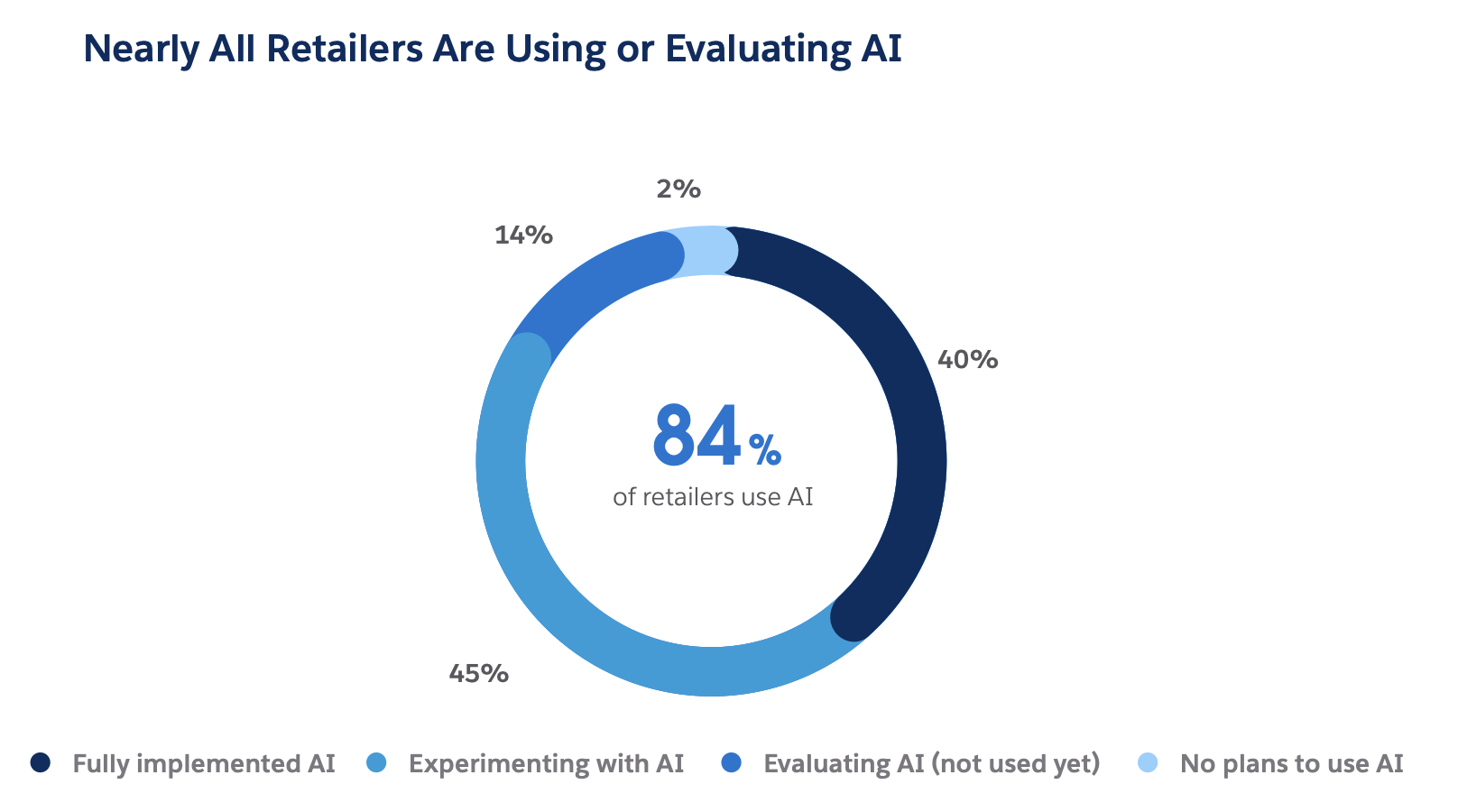
Modern apps now use AI to understand what customers are looking for in the moment. They can suggest better-suited products, sort search results based on what someone is most likely to want and help shoppers find similar items by scanning a photo.
Loyalty expectations rise (and mobile is where it works best)
Loyalty programs are becoming more mobile-first because customers want to see their progress updates instantly. 77% of shoppers belong to at least one loyalty program, and 42% of those people access their rewards on mobile while in-store.
Younger generations value experiential rewards three times more than baby boomers, which is driving a shift toward perks like early access, events and app-only drops.
When your loyalty dashboard updates in real time, customers stay motivated and keep coming back because they can see the progress they are making with every purchase.
How to build a winning mobile commerce strategy
As we’ve covered, a strong mobile commerce presence helps you reach more customers and guide them through a smoother buying journey.
Here is a practical roadmap to help you get started with a mobile commerce strategy at your business.
Step 1: Choose your mobile experience architecture
Start by deciding how customers will shop with your business on mobile. This could be a mobile-optimised site (we recommend always having this regardless), a dedicated app or a combination of both.
Apps tend to work well for higher-frequency shoppers because they allow for personalisation, saved details and faster checkout. If you use Agentforce Commerce, you can build your mobile experience from the same platform that powers your web store, which keeps your experience consistent for customers.
Step 2: Design the buyer’s journey
Walk through the experience from the customer’s point of view. Check how quickly product pages load, how easy it is to find information and how many steps it takes to complete checkout.
Your goal is to reduce friction so customers feel like each step naturally leads to the next. Make sure your product descriptions, search results and navigation are just as strong on mobile as they are on desktop.
Step 3: Integrate modern mobile payments
Customers expect fast, secure payment options on their phones. This means you’ll want to integrate mobile wallets like Apple and Google Pay, plus one-tap payment methods that remove the need to enter details manually.
If you use Salesforce’s order management software, you can connect payments, fulfilment and returns into a single system so customers always see accurate delivery options and get real-time order updates.
Step 4: Personalise with first-party data
Use behaviour data, purchase history and real-time browsing signals to surface relevant products at the right moment.
Data 360 can help you bring all your customer data together so your recommendations feel connected, not random. This helps you show shoppers things that suit their tastes without making them search endlessly.
Step 5: Connect the mobile experience with your in-store one
You can do this by letting customers check stock in nearby locations, scan barcodes for more details or use your app to get personalised help from staff.
Store associates can then also use the same data to offer faster support. When your mobile app and in-store POS pull from a single system, customers feel like they’re dealing with one connected brand.
Step 6: Measure and optimise
Once your mobile commerce experience is live, track how customers move through it. Look for friction points, like where people linger at the checkout, confusing layouts or high drop-off pages.
Salesforce CRM Analytics can help you monitor these patterns so you can make ongoing improvements based on real behaviour. Small changes like adjusting page layouts or reducing steps in checkout can lead to meaningful revenue from an increase in conversions.
The challenges of mobile commerce (and how to solve them)
Mobile commerce creates huge opportunities, but it also comes with new challenges. Getting your mobile launch wrong can impact your conversion rates, customer trust and long-term loyalty.
Here are the most common issues retailers face and practical ways to solve them.
Challenge #1: The need for constant optimisation
Mobile behaviour can change quickly compared to other channels. New device types, expectations and patterns of browsing mean your site or app can become outdated faster than you expect. If you ignore this, you risk higher bounce rates and lower conversions because customers feel like your site is out of date and not as trustworthy.
How to solve this challenge: Run regular UX reviews with your developers and designers, test your checkout flow and use tools like CRM Analytics to see where customers are dropping off.
Challenge #2: Privacy and data security
Customers are increasingly protective of their personal information. With more shoppers using mobile wallets, storing payment details and logging into your app, your security standards will be under more scrutiny. If you fail to protect customer data or explain how it’s used, trust can erode quickly. In Australia, if you fail to protect customer data or explain how it’s used, the OAIC can issue large fines for serious or repeated breaches.
How to solve this challenge: Be transparent about your data usage with customers and keep your security measures up to date. Use secure authentication, encrypted payment systems and permission-based personalisation.
Challenge #3: High competition and comparison-shopping pressure
Mobile makes it easy for customers to compare products instantly. In fact, we found that 74% percent of shoppers switched brands in the past year, often because another retailer offered a smoother experience or clearer information.
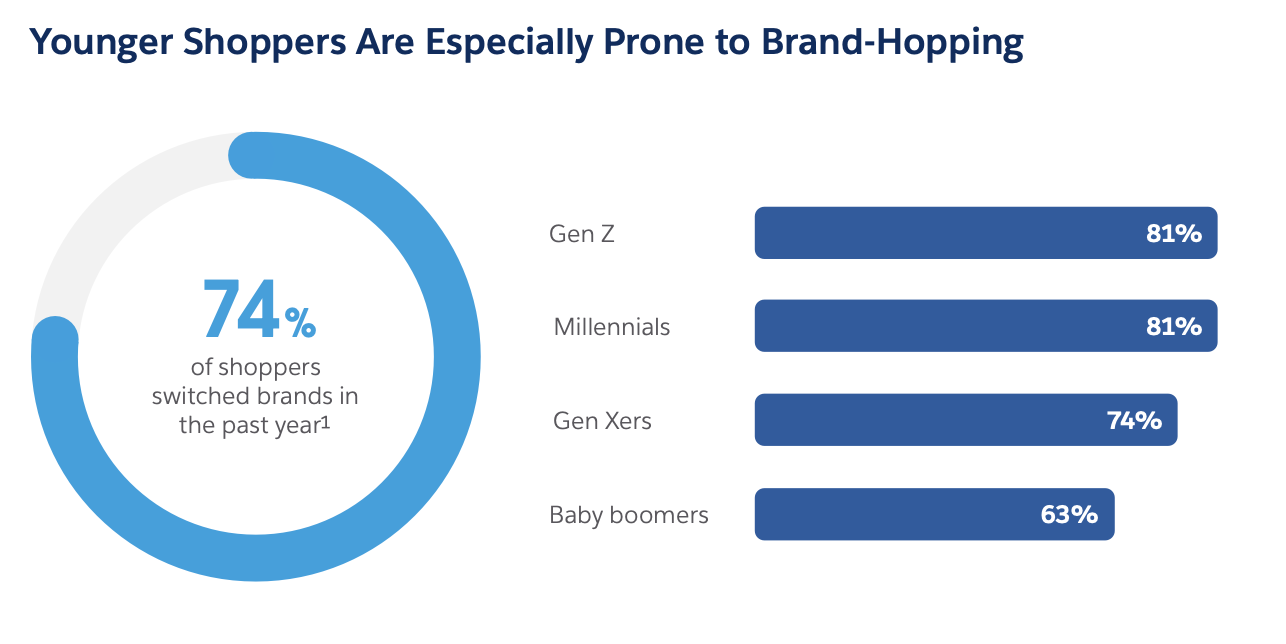
Ignoring this pressure will mean losing customers at the exact moment they’re ready to buy.
How to solve this challenge: Differentiate your brand with speed, clarity and convenience. Ensure your product pages load quickly, highlight key information upfront and use AI-driven recommendations to keep customers exploring your range.
Agentforce Commerce can help you create a fast, unified mobile experience that reduces the chances of a customer jumping to a competitor’s app.
Challenge #4: Disconnected in-store versus mobile experiences
Many shoppers use their phones while browsing in-store. They access loyalty (42%), research products (35%), scan QR codes (32%), check out through the app (20%), or even order from another retailer (17%).
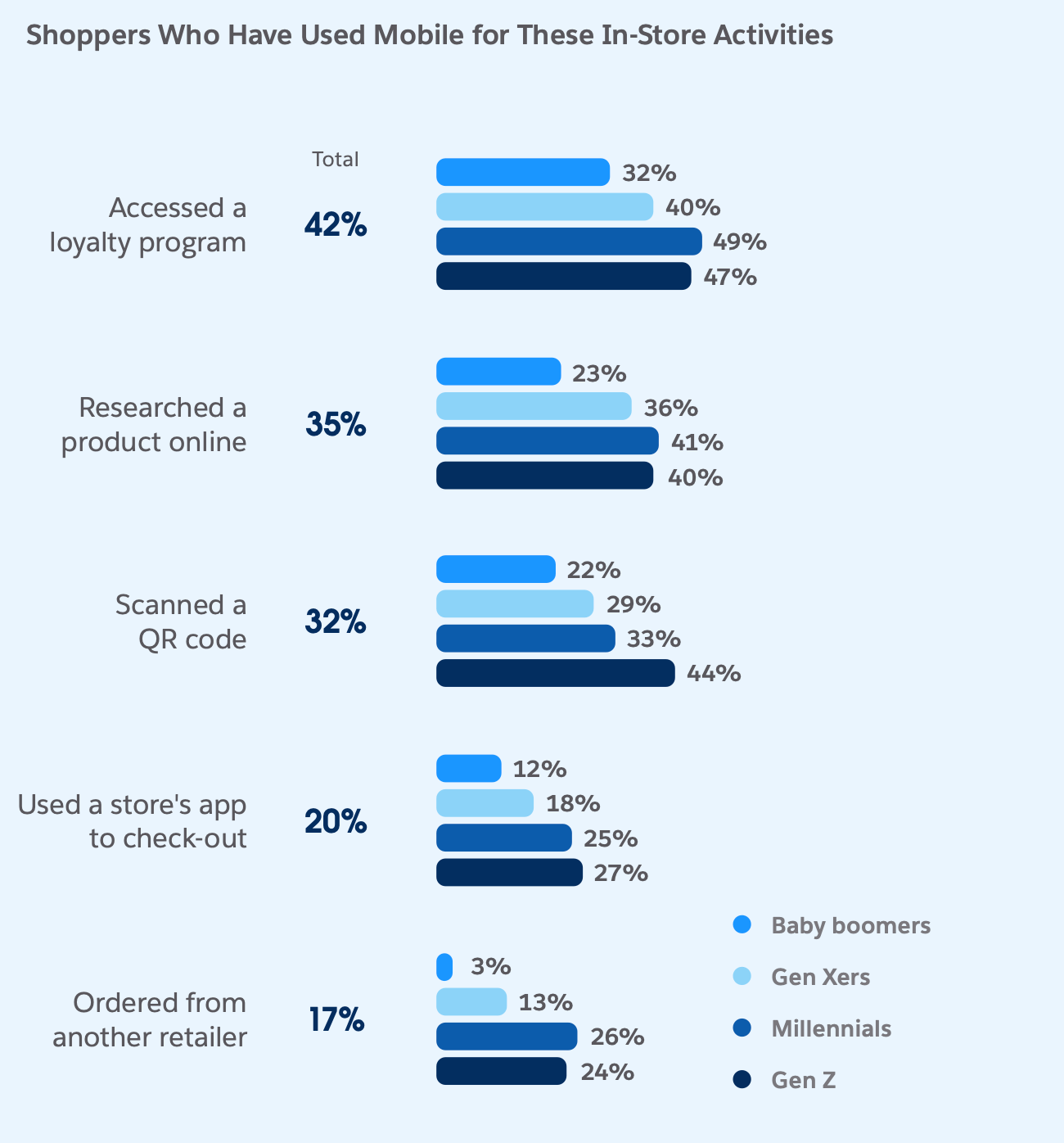
If your in-store experience doesn’t connect with the one you offer on mobile, you risk losing sales from customers who are actively trying to engage with you.
How to solve this challenge: Connect all your channels so customers feel supported no matter where they are. Let them check stock locally, redeem loyalty rewards instantly and scan products for more details.
Stay up to date on all things commerce.
Sign up for our monthly commerce newsletter to get the latest research, industry insights, and product news delivered straight to your inbox.
The future of mobile commerce
Mobile commerce is shifting toward experiences that feel increasingly predictive and interactive. AI is already able to help shoppers find products through voice, images and real-time suggestions. For your business, this means getting your data in order and including AI support to keep up.
Salesforce tools like Data 360 and Agentforce Commerce can help you connect your customer data, personalise every touchpoint and deliver the kind of mobile journey customers will expect as standard in the next few years. You can see how to use our AI-powered commerce platform by watching the demo today.
FAQs
What’s the difference between ecommerce and mobile commerce?
Ecommerce covers all online transactions, usually through desktop or laptop devices. It’s the wider category that includes everything from product browsing to checkout on a traditional website. Mobile commerce is a subset of ecommerce that happens specifically on mobile devices.
Does my business need a mobile app?
You don’t need an app if you’re just launching your business, but it helps if you have repeat customers or want to offer a more personalised experience. Apps make the checkout process faster and help your brand stay top of mind. If you’re just beginning, a strong mobile-optimised website is a great first step.
How much does it cost to build an app for my business?
A custom-built app can be expensive because you’re paying for full development, design and long-term maintenance. However, with tools like Agentforce Commerce, you can create a mobile app without coding everything from scratch. This can save you money and make the maintenance of your app a lot easier.