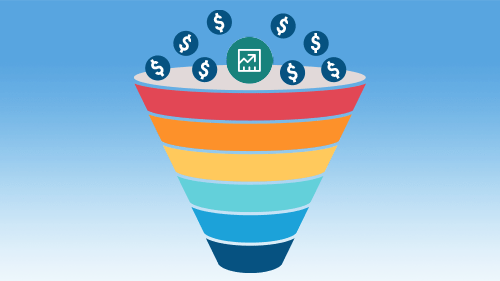



A sales funnel is a marketing term used to capture and describe potential customers’ journeys, from prospecting to purchase. A sales funnel consists of several steps, the actual number of which varies with each company’s sales model.
Well-built sales funnels without gaps allow companies to shepherd potential customers through the buying process towards purchase completion. By contrast, those funnels with gaps will lead to potential customers dropping out of the sales process, like water flowing through a sieve.
A sales funnel helps marketers understand a customer’s purchasing journey while identifying the stage of the customer’s journey. These insights can be used to decide which marketing channels and activities will best guide the customer towards a purchase.
A sales funnel also allows marketers to tailor and optimise their activities and messaging to increase conversions.
In this guide, we’ll walk you through the core stages of a sales funnel, how to build one that converts, and how agentic AI can help you strengthen performance along the way.
Key Takeaways
What you’ll learn:
- A sales funnel brings order to the chaos
- Sales funnel explained: why it matters for sales and marketing
- How buyers move through the sales funnel
- The 6 stages that help a sales funnel convert
- Is it really worth the effort? Benefits of a sales funnel
- Content marketing for every stage of the sales funnel
- B2C sales funnels vs. B2B sales funnels
- How to define your ideal customer profile (so you start chasing the right leads)
- Why does this matter? Benefits of defining your ideal customer
- How to build and nurture a sales funnel the right way
- Sales funnel examples (and why they work so well)
- How Canva turns curiosity into conversions
- How to tell if your sales funnel is working
- The future of sales is led by humans and driven by agents
- Ready to build a sales funnel of your own?
Discover sales insights from over 4,000 reps, including top AI agent use cases, and new sales strategies to fuel your team’s growth.
A sales funnel brings order to the chaos
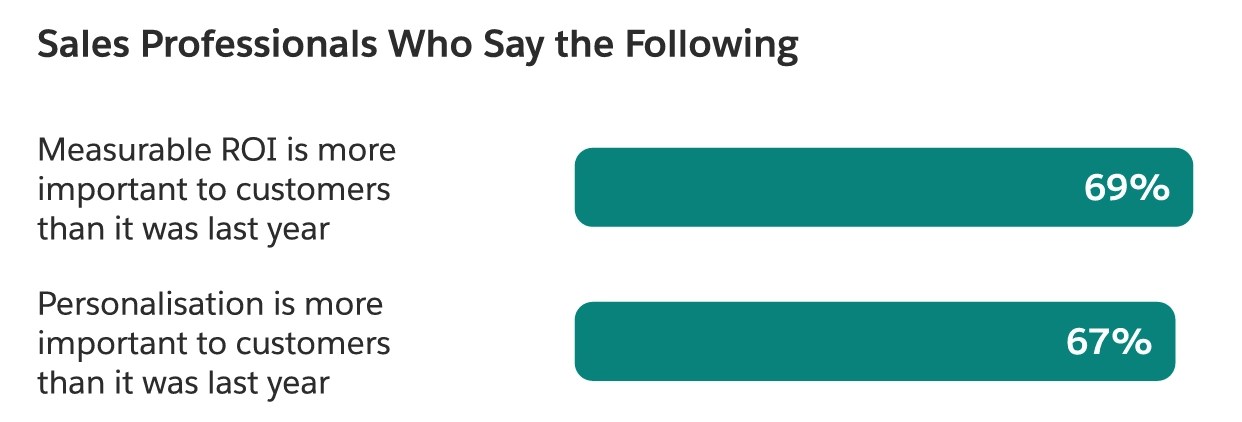
Guiding a buyer from first interest to final purchase is getting more complicated. As per our latest State of Sales Report, changing customer demands is the top challenge in sales, and 67% of reps say personalisation matters more to customers now than it did a year ago.
A sales funnel is a simple framework for giving that journey more structure. It shows businesses how consumers move from awareness to conversion, and gives teams a clearer view of the moments in between so they can plan next steps and anticipate friction.
Not every customer will move through the same steps in the same order. But that isn’t how a sales funnel works. Its importance is that it gives your teams a practical way to see where buyers currently sit and spot friction points so you can optimise your sales cycle over time.
Sales funnel explained: why it matters for sales and marketing
A sales funnel is a window into everything that happens between initial interest and final purchase. Instead of treating the buyer journey as one long blur, it gives your teams a clearer way to see where people are moving and where they’re getting stuck.
This visibility opens the door to several benefits:
- It shows where buyers drop off, so you can spot the stages where interest fades or deals stall, then fix the content or experience causing the problem.
- It aligns sales and marketing, meaning both teams get a clear view of where the buyer currently sits. This makes handoffs and messaging easier to coordinate.
- It sharpens channels and campaigns by letting you see which activities are actually moving buyers forward.
- It supports more relevant messaging because you can tailor your outreach, content, or offer to the lead’s position in the funnel.
Put together, this gives teams a clearer way to support buyers with the relevant, personalised marketing and sales that keep momentum moving.
How buyers move through the sales funnel
A sales funnel begins with a broad group of potential buyers at the top and gradually funnels down toward a smaller group of people who are ready to buy. At each stage, some people might move further down the funnel toward a sale, while others pause or leave the journey.
At the top of the funnel are buyers who’ve recently come across your brand, product, or service and are beginning to dig deeper into your offer. Those who are interested might return to your website, explore your social media, or ask questions via email. As they learn more, they’ll gradually move down the funnel closer to a purchase.
Others might need more time, more information, or a stronger reason to act. The journey isn’t always linear, and people can enter and leave the funnel at any stage. But this is normal. What matters is that the funnel gives teams a clearer way to understand buyer intent and meet people with the right content or outreach at the right time.
This visibility is a big win for lead management. Once you can see where buyers are in the journey, it becomes easier to prioritise follow-up, tailor outreach, and keep leads moving toward a sale.
The 6 stages that help a sales funnel convert
Not every business will use the same sales funnel. Some use a traditional model like AIDA (Awareness, Interest, Desire, Action). Others use a more modern approach like the flywheel model (Attract, Engage, Delight), which emphasises connected customer experiences. Some will even build their own funnels around goals like event sign-ups or product launches.
Still, most sales funnels follow a familiar pattern. People discover your brand, learn more about what you offer, weigh up their options, decide whether to buy, and sometimes come back for more.
We usually break it down into six key stages. Let’s take a look at the six stages in a sales funnel.
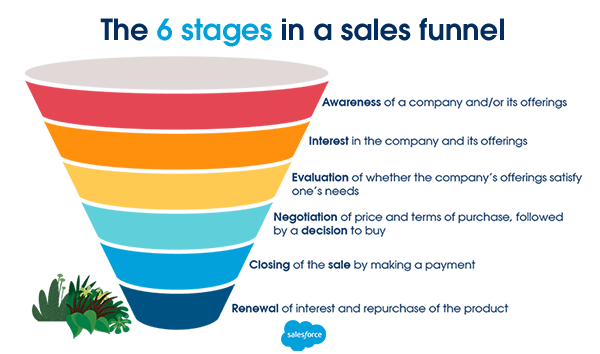
1. Awareness
This is where the journey begins. A potential buyer comes across your brand, product, or service for the first time. Perhaps they read one of your blogs, saw a funny story you told on social media, or were hooked by one of your paid ad campaigns.
They may not know much about you yet, but you’re on their radar, and that first impression gives you a chance to pull them further into the journey.
2. Interest
If that first impression lands well, curiosity starts to build. The buyer might read more of your blogs, sign up to your newsletter, watch a webinar, or spend some time on your product pages to see what you offer.
At this point, they’re interested enough to keep scrolling, and your business has the chance to turn that early attention into engagement.
3. Evaluation
Now, the buyer starts looking more closely. They may read customer stories, compare your solution with a competitor, or book a demo to see whether your product or service is a good fit for their needs.
This is the stage where the buyer starts actively considering whether you’re the right choice.
4. Negotiation and decision
At this stage, the buyer is getting closer to a decision. They’ll often review pricing, ask questions to your customer service team, or discuss sales terms. They can see the value you offer, but now they’re looking for enough clarity and confidence to buy.
Once they’ve gone through the motions, the buyer will make their final decision.
5. Sale
This is where decision turns into action. The buyer completes the purchase, signs the contract, or takes the final step that turns them into a paying customer.
It’s the moment where the work pays off and the goal for businesses shifts to retention.
6. Renewal or repurchase
For many businesses, the journey doesn’t end after the first sale. A customer might want to renew their contract, come back for another purchase, or deepen their relationship with your brand through further conversations or in-person events.
This is where strong follow-up and good post-purchase experiences can turn a single sale into customer loyalty that goes well beyond the first sale.
The 6 stages of a sales funnel
| Stage | What happens? | What the customer is thinking |
|---|---|---|
| Awareness | A potential buyer discovers your brand. | “This looks interesting. Could it help me?” |
| Interest | They start learning more about what you offer. | “I want to understand this a bit better to know if it’s right for me” |
| Evaluation | They assess if your solution is the right fit. | “Is this the best choice, or are there better options on the market?” |
| Negotiation and decision | They review the final details and make a decision. | “Am I ready to commit to a purchase or should I sit on this for a while?” |
| Sale | They complete the purchase and become a customer. | “Let’s do it.” |
| Renewal or repurchase | They return, renew, or continue buying over time. | “Was this worth it, and do I want more?” |
Support your sales team to do their best work with Sales Cloud
Give your team the tools, data, and AI insights they need to stay focused, build stronger relationships, and close more deals, all in one platform.
The benefits of a sales funnel
A well-built sales funnel helps teams understand where buyers currently are, what they need next, and how to deliver it. That visibility can improve messaging and team alignment, making it easier to deliver the connected experiences that customers love.
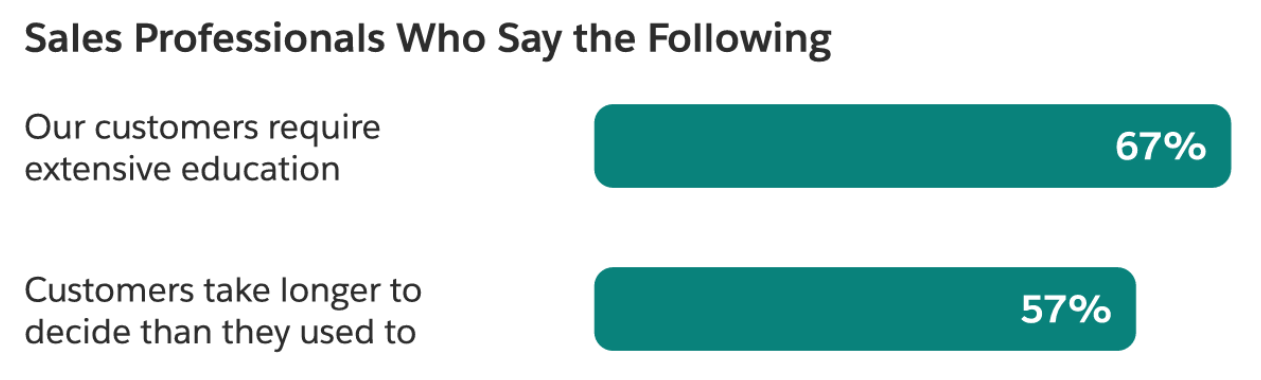
This kind of clarity matters when 67% of sales pros say customers want more education before they buy, and 57% say customers take longer to decide than they used to.
Having a sales funnel in place gives your teams a stronger way to see what every customer needs and when they need it. When this happens, the benefits come from all sides:
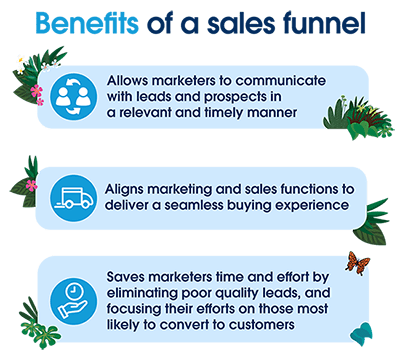
1. More relevant, timely messaging
A good sales funnel helps teams understand where customers are in their purchasing journey and what questions they’re likely to have at each point. This makes it easier to deliver messaging that feels timely, relevant, and valuable.
2. Better sales and marketing alignment
When sales and marketing can work from the same view of the buyer journey, it becomes easier to coordinate handoffs, content, and follow-ups. Marketing can build trust early, while sales can step in when the buyer is ready for a more direct conversation.
3. A smarter use of your time
With sales reps spending 60% of their average work-week on non-selling tasks, it’s fair to say time is a currency today. A sales funnel helps teams focus their effort on the leads most likely to convert, simplifying prospecting and freeing up time for high-value conversations.
4. Setting the stage for agentic sales
AI sales agents can help teams qualify leads, personalise follow-up, answer questions, and book meetings, but they need clear context to do their best work. A sales funnel gives agents the visibility to know where a buyer is in their journey and what kind of support makes sense next.
Content marketing for every stage of the sales funnel
A content marketing strategy is a core part of any digital marketing sales funnel. Cold calling and aggressive outbound marketing strategies are no longer the main path to growth. Today’s customers want to find a business organically, in their own time, on their own terms.
This is why it helps to have a mix of content styles for each stage of the customer journey. When buyers get the right personalised content at the right time, it becomes much easier to build trust and keep them moving.
It’s worth noting that this content marketing model is simplified, and the buyer journey isn’t always straightforward. Prospects might read a white paper before they ever visit your website, or get a recommendation from a friend that leads them straight to your conversion content. This is simply one path a buyer can take to purchase.
Below are the standard sales funnel stages and the ideal content for each section.
1. Awareness stage
The goal at the top of the funnel is to build brand awareness. Your content should help buyers understand a problem, explore a topic, or discover your brand for the first time. This will encourage them to find out more about what you offer. Potential content includes:
- Blog posts
- Social media content (Instagram, Facebook, TikTok)
- Search engine optimisation-driven content
- Videos, infographics, and visual content
For example, a customer may find your content on Google through an SEO blog post that answers a question they typed into Google. From there, you can guide them toward a video, landing page, or another piece of content that helps them keep exploring.
2. Interest stage
At this stage, the website visitor knows your brand and wants to dig a bit deeper. They are curious about the problem they’re trying to solve and want to find out more about what you bring to the table. Great content ideas at this stage include:
- Blog posts
- Downloadable content (PDFs, eBooks)
- Whitepapers (especially for B2B audiences)
- Website content (landing pages)
- Email newsletters/drip campaign
Your lead isn’t ready to buy yet, but they are open to learning more. The goal here is to provide a wide range of content so that customers can learn about your brand in a way that suits them, whether that’s a detailed whitepaper or a well-timed nurture email.
3. Evaluation stage
At this stage, the customer knows your brand and trusts your expertise. Now, they will begin to assess whether you are a viable solution to their problem. This means researching solutions and reading up on the benefits of your service to see if you’re the right choice. You can help them make a positive decision by providing content like:
- Customer stories and testimonials
- Case studies
- Comparison tables
- Product demos
- Webinars
At this stage, your content should build confidence. The goal is to help the buyer see your brand as a credible, trustworthy solution to their problem. This will gently guide them further down the sales funnel into the negotiation and decision stage.
4. Negotiation and decision stage
The buyer is now close to action, but they might still have a few barriers standing in their way, like pricing, shipping, or post-purchase support. The goal of content at this stage is to remove this friction to help push things over the line. Perfect content includes:
- FAQs (see Salesforce’s FAQs as an example)
- Contact information for customer support
- Live chat
- Free trials (like this one, for Salesforce Suites)
- Limited-time offers
Each of these content styles helps the buyer overcome a barrier they may face when deciding whether to buy. FAQs and customer support answer any remaining questions.
Limited-time offers overcome price barriers. Free trials make the purchase feel non-committal. Removing these roadblocks guides the customer to a positive decision.
5. Renewal or repurchase
Once the buyer makes a purchase, the focus shifts from conversion to loyalty. The goal here is to keep customers engaged and supported so they feel motivated to return. Try post-purchase content like:
- Exclusive content for buyers
- Exclusive communities on Slack, Facebook, LinkedIn, or Discord
- Loyalty programs
- Personalised email chains
- How-to guides
- Live workshops
- Partner program
- Product updates
This helps the customer connect emotionally with your business, fostering brand loyalty. It also creates more opportunities for repeat purchases and word-of-mouth recommendations.
B2C sales funnels vs. B2B sales funnels
The path a buyer takes through a sales funnel usually depends on who you’re selling to. While the basic idea stays the same, B2B and B2C funnels move at different speeds, rely on different kinds of content, and ask buyers to make decisions in different ways.
B2C sales funnels need to capture interest quickly
B2C businesses usually sell to individual consumers, which means the buyer is often a solo decision-maker. Cycles tend to be shorter, with fewer touchpoints along the way. Buyers are also more likely to buy on impulse, and less likely to stick around if you don’t engage early.
This means B2C content needs to be easy to consume and visually engaging. You want your messaging to grab attention fast and have a visible impact. This makes social media posts, videos, visual blogs, and short-form content a good place to start.
The same logic also applies to lead generation. In a B2C funnel, the goal is to create quick interest and give people an easy reason to engage. Potential strategies often include:
- Social media contests: Running contests on platforms like Instagram or Facebook to increase brand awareness and engage users.
- Free trials: Free trials or samples to let consumers experience the product before making a purchase decision.
- Email campaigns: Sending personalised offers, product updates, and promotional content to keep the brand top-of-mind and encourage conversions.
- Push notifications: Push notifications to alert users about special offers, new products, or important updates directly on their devices.
- Affiliate marketing: Using partnerships with affiliates to reach new audiences and drive sales through commissions.
As the buyer moves closer to a purchase, you can shift your messaging to focus on benefits, ease-of-use, lifestyle value, and social proof. FAQs and testimonials are gold dust here. Equally important are reviews. When consumers can see you have a reputation for solving the problems of other buyers, this can be the final step that converts them into a customer.
B2B sales funnels need to build confidence over time
B2B sales funnels tend to be more complex. Buyers could be professional stakeholders, experienced leaders, or key decision makers. Purchases usually involve more scrutiny with more people involved. That means a longer sales cycle with more touchpoints.
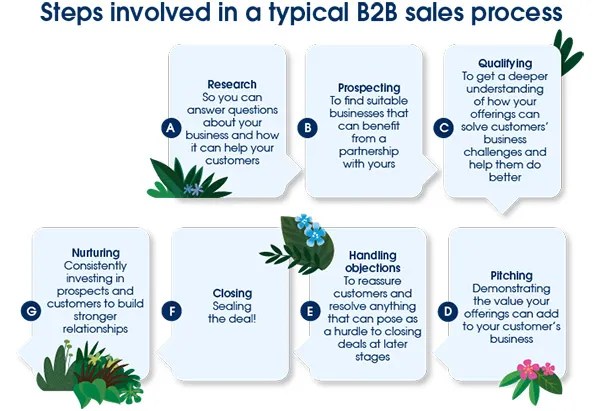
As such, B2B content needs to go deeper. Buyers want more detailed information that helps them evaluate fit and understand ROI. At the start of the funnel, prioritise expert-led B2B marketing content that demonstrates your expertise in your sector, such as:
- White papers and eBooks: In-depth reports or guides that address industry-specific challenges and provide valuable solutions.
- Webinars: Educational sessions that offer insights into complex topics and establish your company as a thought leader.
- Case studies: Detailed success stories of how your product or service has helped other businesses solve specific problems.
- Live chat: Real-time assistance on your website to answer queries and engage with potential clients directly.
As B2B buyers move further down the funnel, the journey starts to lean much more heavily on sales reps. Buyers need more proof, more detail, and more direct support, whether that’s through a demo, a meeting, or a deeper sales call around the value you can deliver.
The key is gradual relationship-building. Buyers want to know they’re making the right choice and that you’ll support them for the long term. This can take longer, but it often pays dividends with buyers who will be loyal in return.
Sales Cloud will help you discover and nurture leads, personalise content for each funnel stage, and build stronger connections with your audience throughout the journey. And with AI agents backing you along the way, it’s never been easier to keep deals moving.
How to define your ideal customer profile (so you start chasing the right leads)
Identifying your ideal customer profile (ICP) is essential for tailoring your sales funnel to engage with your target audience effectively. An ICP is a detailed description of your most valuable customers, including their demographics, firmographics, and psychographics.
To map your customer journey effectively, you first need to understand your ideal customer profile. This will allow you to tailor your marketing strategies to the right audience, leading to a better customer experience and higher conversion rates. Here’s how you can go about doing this:
Step 1: Start with your best customers
Start by identifying the common traits among your best clients. Look at demographic information, purchase behaviour, and customer lifecycle stages. CRM tools and automation software can help you gather and analyse this data more effectively.
Step 2: Pinpoint the traits they share
Determine the demographic, geographic, and psychographic attributes that define your ideal customers. This includes age, gender, location, interests, and buying behaviours. Consider the unique pain points and needs your product or service addresses for these customers.
Step 3: Test out your findings with market research
Gather insights through market research, including industry reports, competitor analysis, and trend studies. This helps you understand the broader market landscape and more accurately define your buyer persona.
Step 4: Listen to what your customers (and teams) tell you
Use customer surveys, interviews, and feedback forms to gain direct qualitative data from your audience. This helps round out the numbers with real-world context into customer behaviours and preferences.
But don’t stop there. Your sales team can also offer valuable feedback on the questions, objections and priorities that come up most often with high-value customers.
Pro tip: Use this data to create an internal knowledge base for your sales reps. Additionally, you can use this information for your customer support and FAQ pages.
Step 5: Turn patterns into buyer personas
Develop detailed buyer personas that represent your ideal customers. These personas should include specific information such as job titles, challenges, goals, and preferred communication channels.
Content marketing, such as engagement with blog posts and social media, will help you refine these personas. To define your ideal customer, you can gather data through various methods:
- Market research: Conduct market research to identify trends, patterns, and insights about your target audience. This can include analysing industry reports, social media analytics, and customer feedback.
- Customer surveys: Conduct surveys among your existing happy customers to gather information about their demographics, firmographics, and psychographics. This can include questions about their job roles, industries, company sizes, and pain points.
- Customer feedback: Analyse customer feedback from various channels, such as reviews, ratings, and support tickets. This can provide valuable insights into customer needs and expectations.
- Social media analytics: Analyse social media analytics to understand your audience demographics, interests, and behaviours. This can help you identify patterns and trends in your target audience.
Step 6: Keep refining with data
You can measure the success of your sales funnel by tracking key funnel metrics and KPIs, like lead conversion and customer retention rates.
From there, it’s important to continually monitor and update your ICP using data. Google Analytics and your CRM system are a good place to start. For more advanced support, solutions like Sales Cloud Analytics can help you spot pipeline trends earlier, improve forecast accuracy, and see where funnel momentum is stalling, all integrated in your CRM.
Why does this matter? Benefits of defining your ideal customer
Defining your ideal customer profile will help you focus your funnel on the people most likely to buy. That means clearer messaging, stronger targeting, and a better chance of turning attention into action.
- Personalised messaging: By understanding your ideal customer, you can create personalised messaging that resonates with them, increasing the effectiveness of your marketing and sales efforts.
- Better-targeted content: A clearer ideal customer profile helps you shape content around the audience you’re actually looking to reach, rather than casting too wide a net.
- Stronger sales conversations: When you understand what your high-value customers care about, your sales team can better address these issues, increasing the chances of conversion.
- Enhanced customer experiences: A stronger view of your ideal customer helps create a more tailored customer experience, leading to higher customer satisfaction and loyalty.
- More effective lead generation: When your targeting improves, you can generate leads more effectively through tailored marketing campaigns and lead nurturing strategies.
- Smarter funnel optimisation: Understanding your ideal customer’s buyer journey and pain points allows you to optimise your sales funnel for better conversion rates.
- Brand awareness: Creating content marketing campaigns tailored to your ideal customer can help build brand awareness and establish your brand as a trusted authority in your industry.
Together, this gives you a stronger foundation for business growth by helping you attract the right buyers and move them through the funnel with more confidence.
How to build and nurture a sales funnel the right way
Building a sales funnel doesn’t have to be as time-intensive as it sounds. With a little bit of understanding, you can build and maintain a framework that will let you identify and benefit from quality leads for the long term.
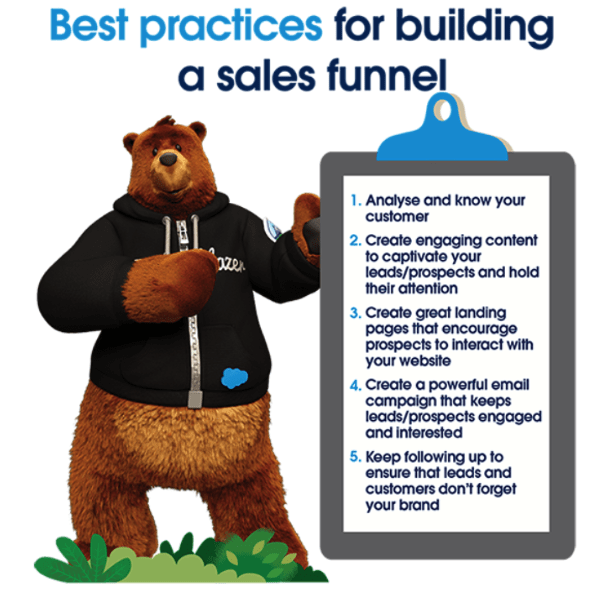
Ultimately, building a sales funnel is all about knowing your leads, prospects, and customers, then engaging them with the right content and follow-up at the right moment.
Step 1: Analyse your existing customers
A strong sales funnel starts with understanding your existing customers. The more data you can gather and analyse, the easier it becomes to spot pain points, needs, and goals.
You can gather this data by communicating with customers, tracking interactions across digital and offline channels, and segmenting audiences. Two tactics include:
- Targeted campaigns: Segment your audience based on behaviour, demographics, and other factors to deliver more personalised and effective marketing messages.
- Lead scoring: Implement lead scoring models to prioritise and focus on the high-quality leads most likely to convert.
You can then use these insights to find lookalike audiences and put out the right messaging at the right time to attract prospects.
Step 2: Captivate your target audience
Your audience has plenty of businesses competing for their attention, so the top of the funnel needs to earn their interest. Use compelling content that educates, informs, and shows prospects that you understand their needs.
This content can be organic, like blogs or social media posts, or paid, like social ads and influencer marketing. What matters is that it feels timely and relevant to your target audience to lead them toward the next step.
To support this experience, you should also make sure your website and landing pages are clear, intuitive, and just as easy to use on mobile as they are on desktop.
Step 3: Nurture leads through your digital marketing channels
Different channels play different roles at different points in the funnel, so it helps to match your approach to the buyer’s level of intent. For instance:
- Awareness stage: Implement SEO strategies and content marketing, such as blog posts, to increase brand awareness and attract potential buyers.
- Consideration stage: Use social media ads and retargeting to keep your brand top-of-mind with prospects who have shown interest but are not yet ready to convert.
- Decision stage: Email marketing campaigns, product demos, and customer stories can give leads the reassurance they need to take the final step.
Step 4: Create a great landing page
Most of your content should lead your prospects somewhere, and that’s often toward your landing page. This is where you can make it clear who you are, what you offer, and what problem you can solve.
Landing pages can also entice visitors to take the next step, like signing up or downloading a guide. A clear call-to-action can do wonders here. The simpler it is for your prospect to see what they should do next, the more likely it is they’ll make a move.
Step 5: Create a powerful email campaign
Once you have a lead’s email address, keep them engaged with an email campaign that informs, educates, and shows them how your products or services can help.
From there, you can introduce offers and next steps that encourage conversion. The goal is not to overwhelm leads with hard sales messaging, but to give them useful reasons to keep moving.
Step 6: Keep following up
When a customer purchases your products and services, that’s not the end of the road. They’re still at the bottom of your funnel, and you want to keep them there.
Keep paying customers engaged with recurring communication. Thank them for their purchase, keep them informed, and stay in touch with useful updates or promotional offers that strengthen the relationship over time.
Your sales funnel is a dynamic tool, and it should never stay static. Feel free to tweak it to suit your own needs and company processes. The more you refine it to your customers and what they need, the stronger it becomes.
Sales funnel example (and why it works so well)
Sales funnels rarely look exactly the same once they enter the real world, but the core idea will always be the same. A buyer discovers your brand, engages with its content, weighs up the offer, and gets the final push to act.
There’s no single blueprint to getting it right. How you fill the gaps is entirely down to your customers and your business strategy.
Fortunately, we do have a sales funnel example that we can draw on for inspiration. Let’s look at a brand that’s mastered the art of guiding buyers from first click to final conversion.
How Canva turns curiosity into conversions
Australian graphic design platform Canva has a textbook omnichannel sales funnel that guides customers to try the platform and eventually upgrade to a Pro subscription.
For this case study, we’re posing as a consumer hosting a wedding but struggling to create an effective invitation. Let’s head to Google to find more information.
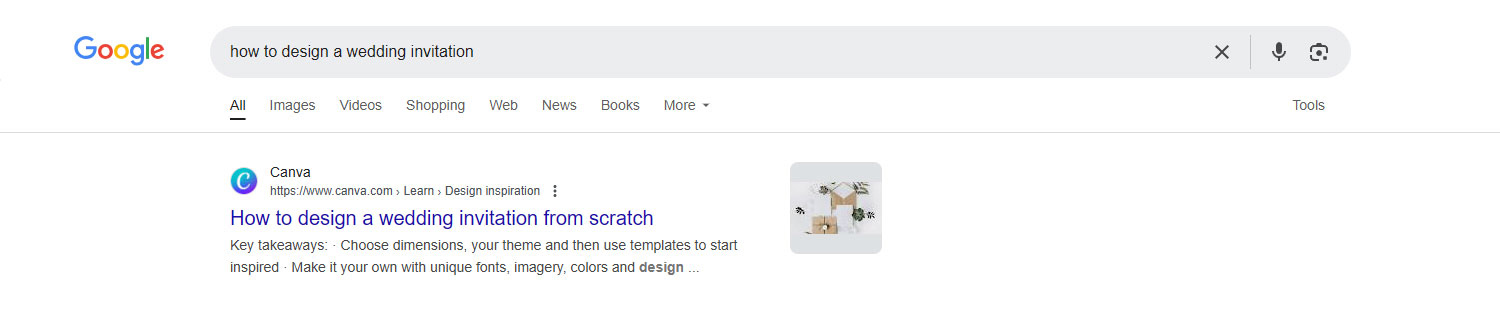
Canva’s blog, ‘How to design a wedding invitation from scratch’ seems to have some advice we can use.

The blog post contains nine excellent tips. It educates us on everything we need to consider when designing a wedding invitation. It feels personal and acknowledges how important the wedding day is. At this point, the customer feels like they’ve learned a lot.
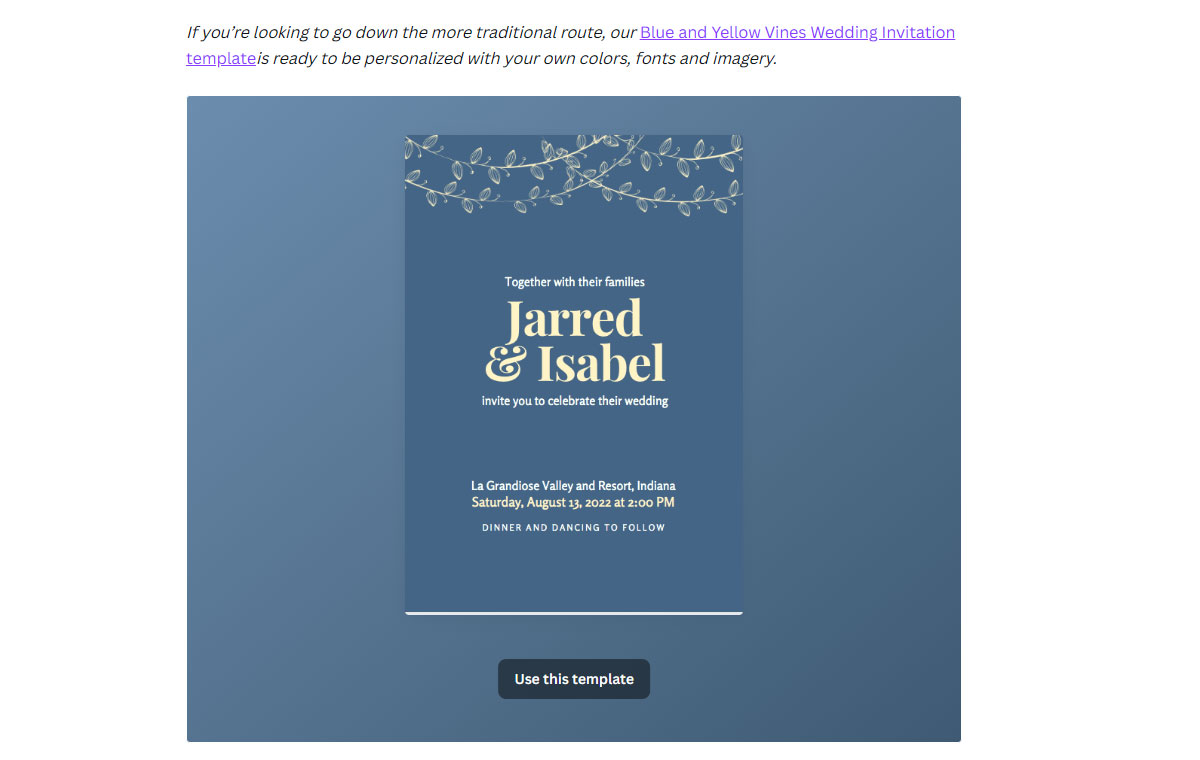
Canva also expands on each tip by providing a template that a customer can use to achieve the desired result. Each template has a ‘Use this template’ button that, when clicked, prompts a user to sign up.
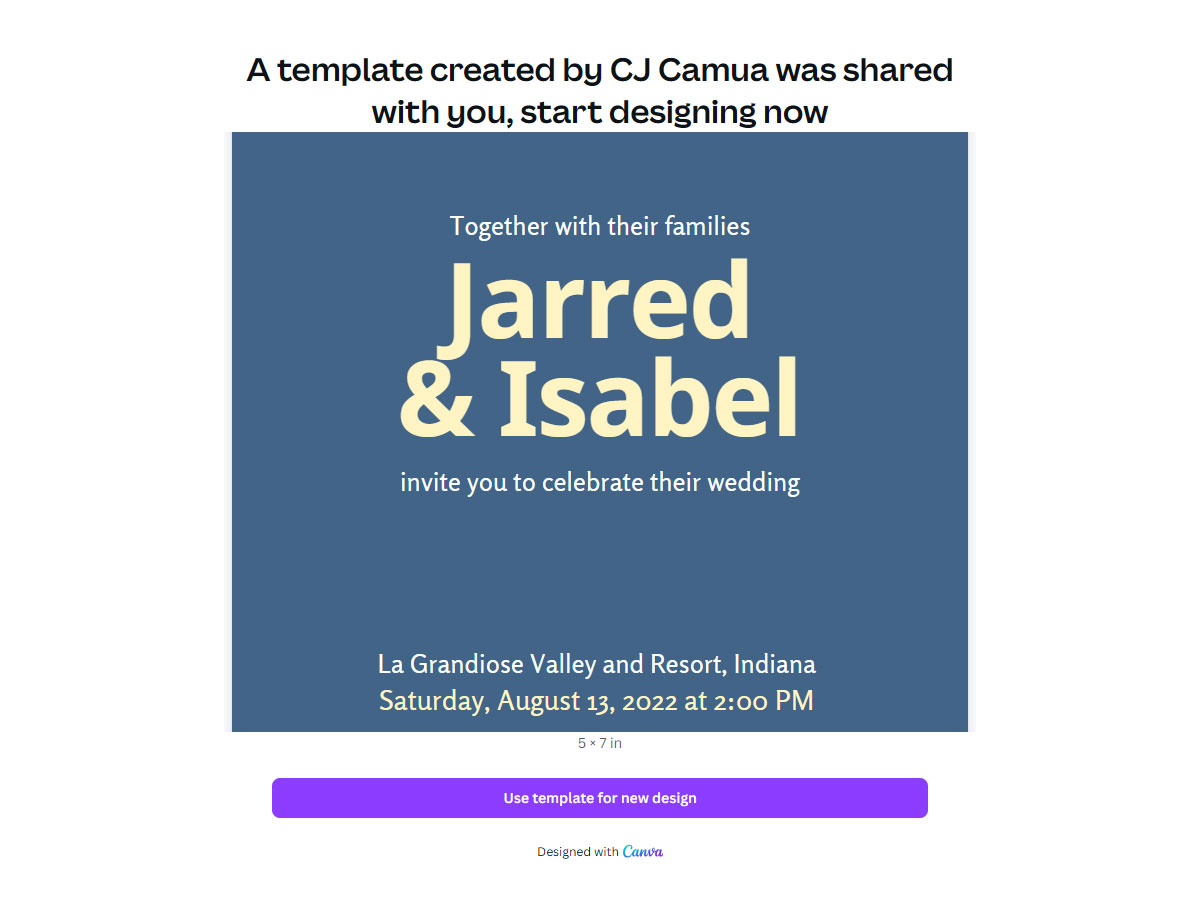
Once signed up, the user can access the template and create their design. As this is completely free, the user can design their invitation without paying any money. The consumer is now firmly in the interest stage.
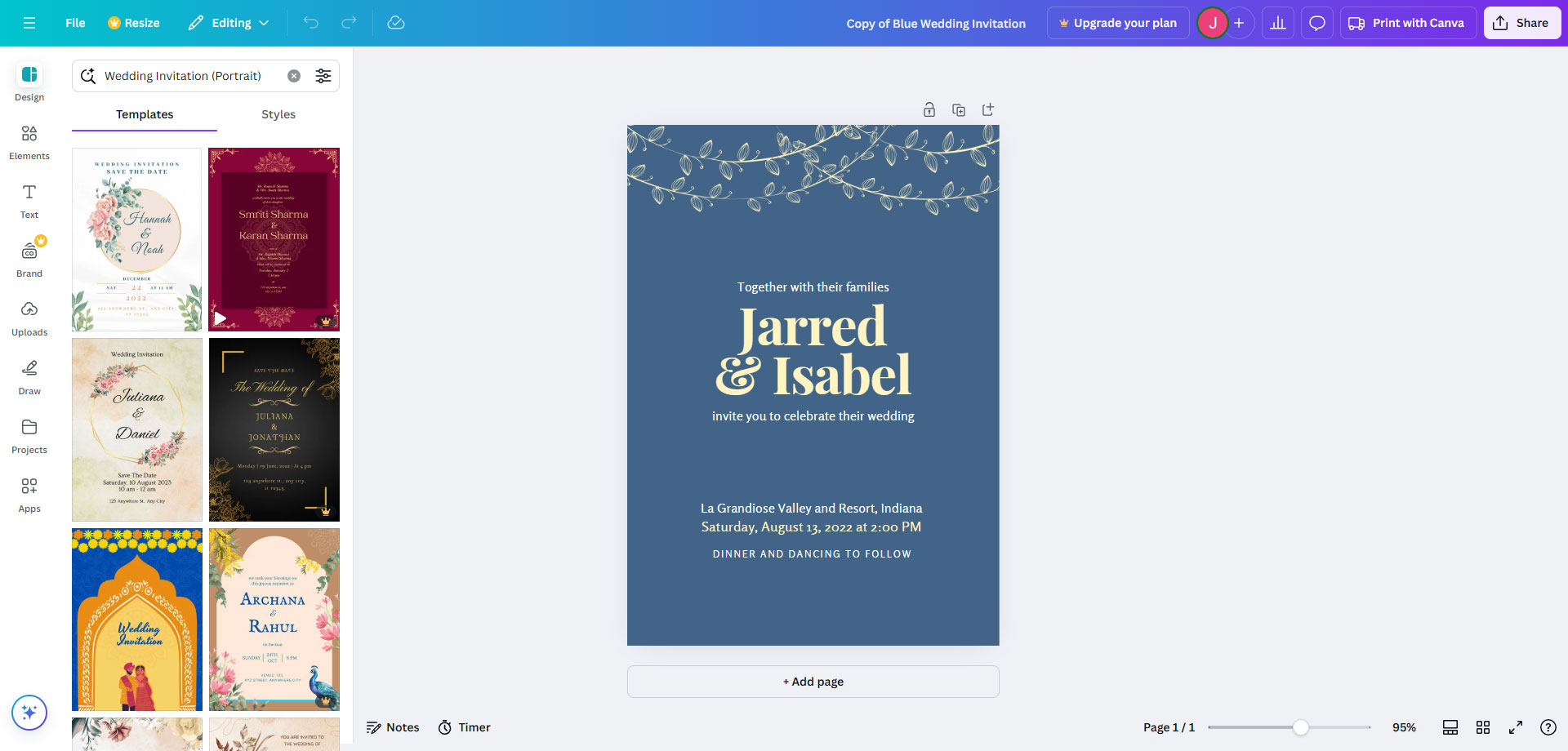
When experimenting with the service during the interest stage, they may use a font or template with a ‘crown symbol’ next to it. These elements are locked behind the Canva Pro paywall. Clicking this opens a pop-up telling the user they need to upgrade to use the feature.
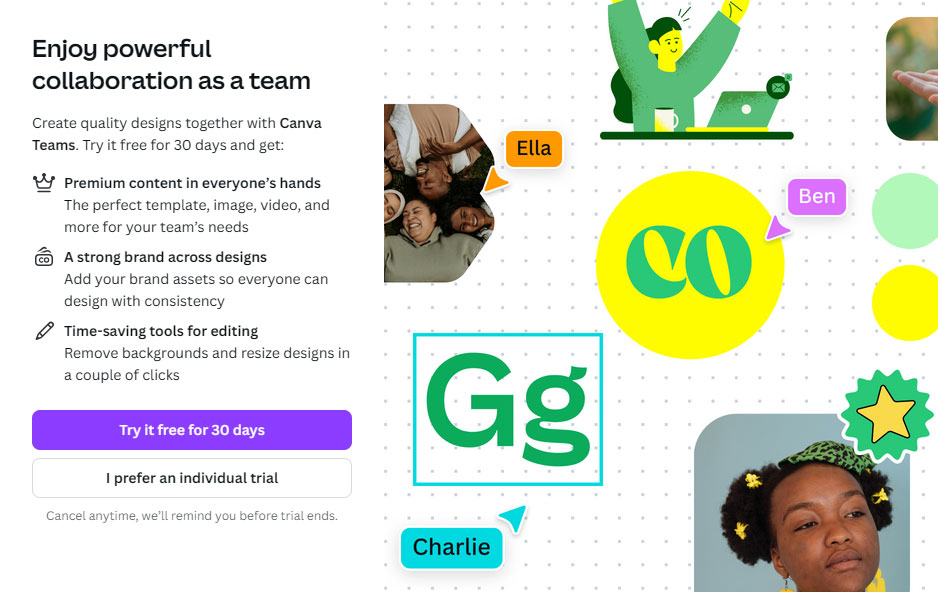
The content includes three of the core benefits of Canva Pro and a call to action to try it for free for 30 days (with a note that they can cancel any time).
The chance to unlock new fonts alongside the promise of a free trial could be enough to convince many customers to upgrade. But let’s assume we aren’t convinced and want to learn more about Canva before buying. Let’s return to the blog.
“With so many expenses involved in planning your nuptials, you may want to design your own wedding invitations to keep costs down. As an added bonus, it also adds a more personal touch. The good news is, you don’t have to be a professional designer to create gorgeous invitations that perfectly embody your one-of-a-kind relationship. Or, if you’re known as the ‘creative’ friend or family member and have been tasked with designing the invites, you don’t have to procrastinate while avoiding your blank canvas. We even have a free video guide on how to design your wedding invitations for free.”
Canva also includes internal blog links to move the consumer from the awareness stage to the interest stage. The ‘wedding invitations’ internal link takes us to a landing page.
Here, Canva focuses on the benefits of its service. It reveals how customers can design and print wedding invitations within the platform.
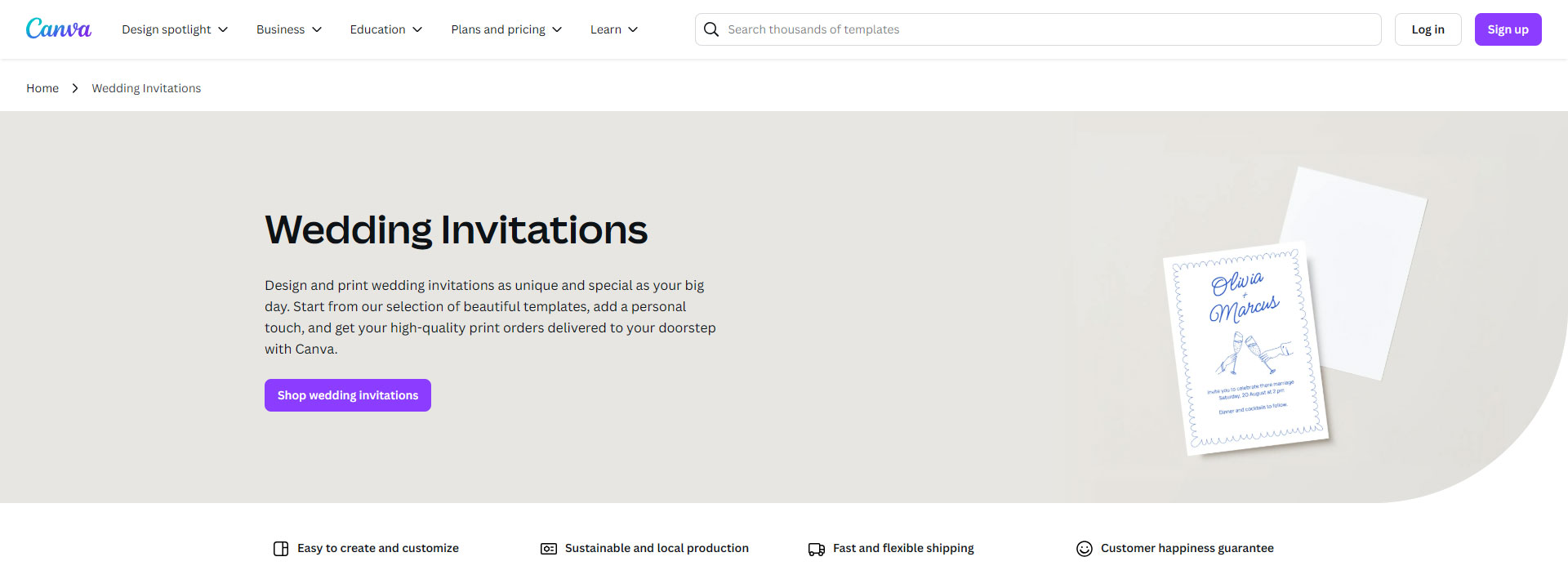
Like the blog, this page also showcases dozens of potential templates that customers can click on. They will then be prompted to sign up and taken to the main interface where they can design their invitation.
The blog also links to an 11-minute YouTube video hosted by an expert. The video instructs customers to search for, customise, adapt and print a wedding invitation using Canva.
These elements guide the customer down the sales funnel from awareness through interest to the evaluation stage, where they genuinely see Canva as a solution to their problem.
But what exactly is Canva’s evaluation stage content? Well, it’s the platform itself. Ultimately, all roads within Canva lead consumers to try out the platform for themselves. There are many free templates, so a user has thousands of options. Once users are in the design platform, they can try out all the core features they like.
Canva’s business model is based on the depth of its Pro package. Many of the best fonts, templates, and elements are locked behind the company’s paywall. As long as the user enjoys the platform’s free version and continues to use it, it is only a matter of time before they decide to subscribe to unlock the full range of features.
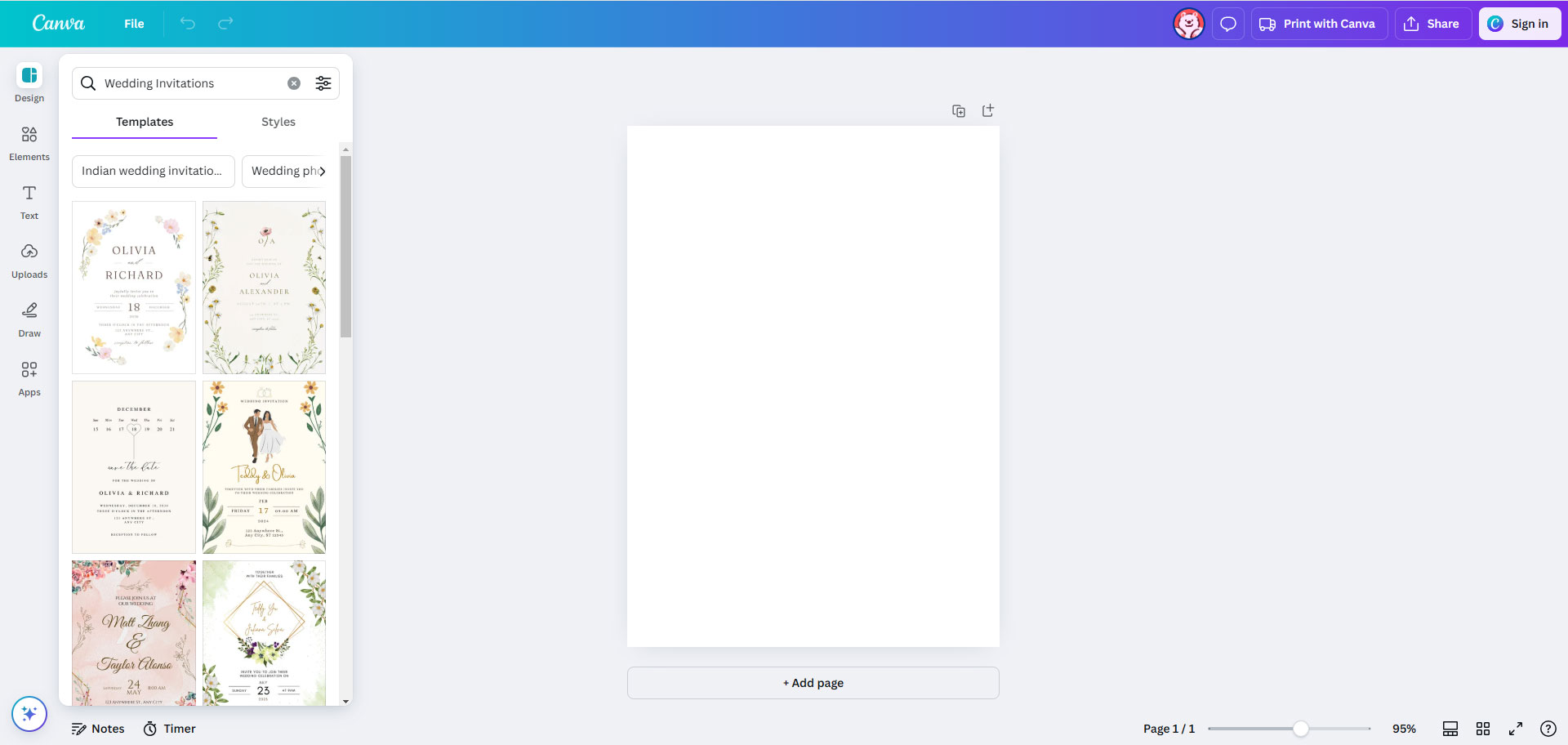
You can see how Canva’s targeted content all ties together. The path isn’t linear. Some users may try a free template immediately. Others may click the internal links to read more about Canva’s wedding invitations.
Some may watch the video linked within the blog. But every path eventually leads a customer to test out the platform and, at some point, try out the Pro subscription.
This is the crux of successful omnichannel digital marketing and lead nurturing. It provides a seamless customer experience wherein customers can consume the content they want and take any path to purchase.
How to tell if your sales funnel is working
A sales funnel should never stay static. As your business grows, your products change, and customer needs evolve, your funnel should evolve too.
Below, we’ve outlined ways to check your approach is working, along with some sales funnel optimisation techniques that you can use to refine your sales funnel strategy over time.
1. Track the important stuff
The first thing to do is monitor your sales funnel to see how it’s performing over time. Here are a few key metrics you should keep an eye on:
- Conversion rates: Do a conversion funnel analysis at each stage. How many visitors turn into leads? How many leads turn into prospects? How many prospects become paying customers? This lets you see where momentum stalls.
- Customer journey analytics: Use tools like Sales Cloud Analytics and Google Analytics to see how people move through your funnel and where they might be stalling.
- Funnel metrics: Review key numbers like lead generation rates, click-through rates, sales conversion rates, and customer retention to understand how well the funnel is performing overall.
The goal now is to use those insights to improve the moments that matter most, whether that means testing new content or removing blockers that are slowing stages down.
Over time, this will make it easier to refine the funnel around real behaviour and see which areas need your attention to maximise conversions.
2. A/B testing lets you find what actually works
A/B testing is one of the simplest ways to improve your sales funnel without having to make assumptions.
It’s a simple concept: instead of guessing which version of an email or landing page will perform best, you test both variations against each other and see what the data tells you.
This can help at almost any point in the funnel. You could test different headlines on a landing page, different calls to action in an email, or different images and copy in a paid campaign. Even the tiniest changes can affect how buyers respond, especially at key moments where you want them to take an action like signing up.
The big win here is that A/B testing gives you a way to safely test and refine your funnel over time without having to guess what might work. Rather than relying on instincts alone, you can use real data to see what actually improves your conversion and click-through rates, and then apply those learnings across the rest of the customer journey.
3. Sales automation software keeps your funnel flowing
Once you understand how buyers are moving through the funnel, the next step is to make that journey easier to manage. This is where sales automation software can help.
Instead of relying on manual updates and disconnected reporting to keep your sales funnel flowing, solutions like Sales Cloud provide a connected system to help teams manage leads, track deals, and automate the busy work, all in one place. Here’s how we can help:
- Keep every lead, contact, and opportunity in one place, so reps don’t have to piece the pipeline together across spreadsheets and tools.
- Keep records cleaner with automatic activity capture, giving reps a clearer view of emails and touchpoints without having to manually log every interaction.
- Stay on top of sales funnel management with shared views that help teams take fast action based on live deal movement and stalled opportunities.
- Give leaders a clearer read on pipeline health with revenue intelligence, so they can forecast more accurately and catch risks early.
- Automate routine admin with AI to keep deals moving in the background while giving reps more time to focus on the human side of selling.
This gives you a stronger way to maintain your funnel from end to end, with better visibility, cleaner management, and smarter sales decisions at every stage.
But this is just the beginning. The exciting part is what happens when you can bring autonomous AI across the entire sales journey.
The future of sales is led by humans and driven by agents
Sales automation can organise leads, surface pipeline data, and take some of the manual work off your team. What it can’t do is carry work across the whole funnel, respond in context, and take away the handovers and prep work that slows reps down.
So the question becomes, how can you get reps spending less time on the backroom admin and more time putting that context to use in personal customer conversations?
This is what makes Sales Cloud so exciting. The limit is no longer triggering a workflow or automating one routine task. AI Agents can carry work across the entire funnel, support prospecting, summarise calls, and update pipelines. It’s a digital teammate that keeps work moving while your reps stay focused on the important interactions.
Here’s how agents in Sales Cloud can use the context from your customer journey funnel to deliver value across the entire sales cycle:
- Awareness → At the top of the funnel, agents can help fill your pipeline by identifying prospects that match your ideal customer profile, ranking them, and building a prioritised list ready for your team to review each morning.
- Interest → Once someone shows intent, agents can keep that early momentum alive with real-time outreach, helpful answers, and meeting booking, so warm interest doesn’t go cold while a prospect waits for a rep.
- Evaluation → As buyers start comparing options, agents can pull together account research, past interactions, and current funnel data so reps can walk into every conversation with the context they need.
- Consideration → When a deal nears the end of the funnel, agents can keep things moving by updating pipeline records and giving sellers a more current picture of deal progress without the usual manual admin.
- Sale → When the prospect is ready to buy, agents will help generate and update quotes using your internal standards, reducing delays near the finish line while giving the reps the time to focus on closing the deal.
- Renewal → After the deal is done, agents can support follow-up, suggest the right moment to re-engage, and help prepare retention and loyalty messaging using the context already sitting in your sales funnel and CRM.
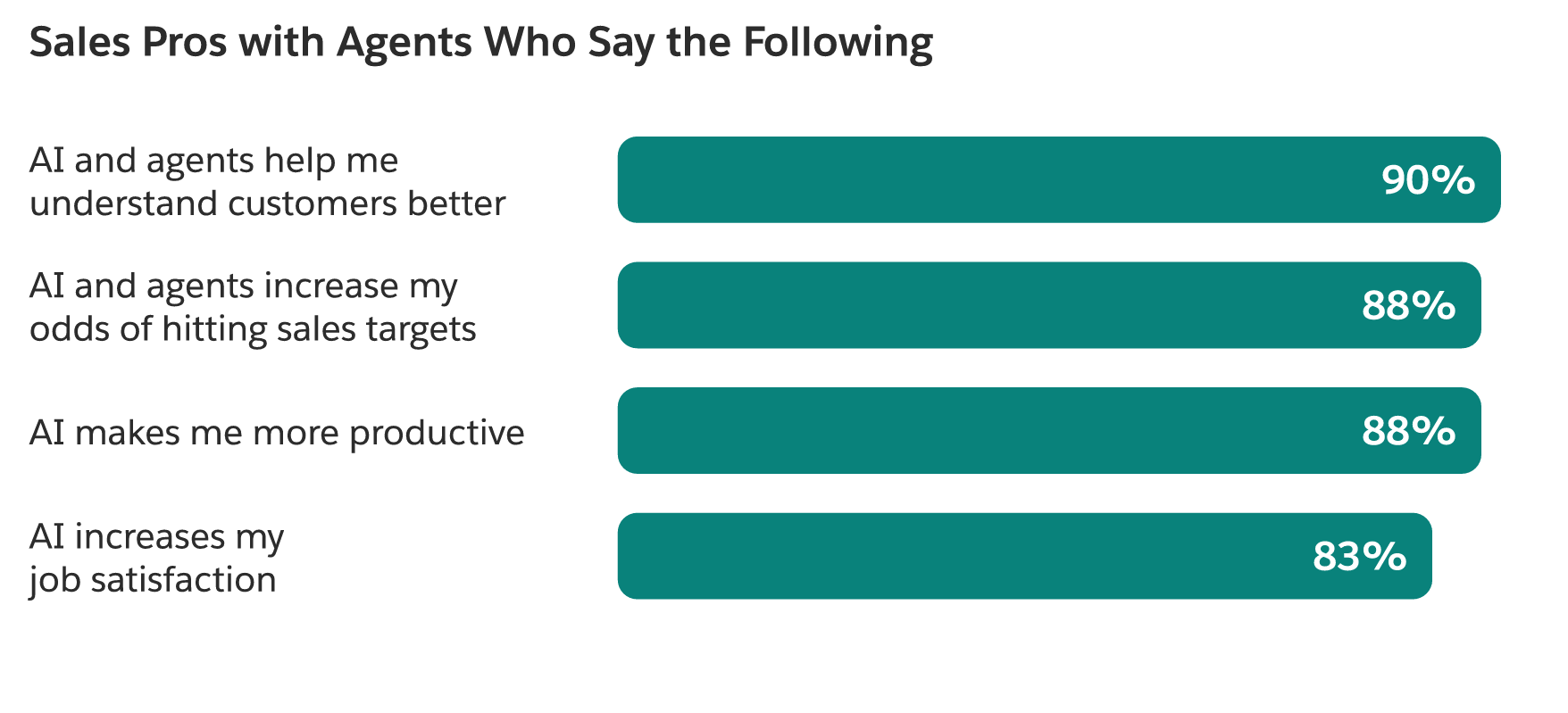
Ninety-four per cent of sales leaders with agents say they’re critical to meeting business demands. And of the reps using agents, 90% say they help them understand customers better, 88% that it helps to improve productivity, and 83% that it increases job satisfaction.
This is what it’s all about. Not replacing reps with agents, but using agents to give reps the room to succeed. When agents handle the prep and background tasks that slow the funnel down, sellers have more time for building trust and handling the nuance. See how Agentforce is revolutionising sales for Salesforce’s ANZ team below.
Ready to build a sales funnel of your own?
If you’re looking to build a sales funnel from scratch or improve the one you already have, Sales Cloud is here to help you with that goal.
With our all-in-one sales platform, you can manage leads, keep pipeline visibility high, automate routine sales tasks, and give teams the context they need to move every opportunity forward with more confidence.
And when you bring AI agents into that picture, the value reaches a new dimension. Agentforce can qualify leads, personalise follow-up, answer customer questions, and support every interaction, while your reps focus on the conversations and relationships that keep your sales funnel moving.
Watch the demo today to see how Sales Cloud can support your growing business.
FAQs
A sales funnel is a sales term used to capture and describe the journeys customers take from awareness to the point of sale and beyond. It charts the customer journey through several stages, starting at the top of the funnel, where a customer first discovers your brand, to the bottom, where they make a purchase and eventually turn into loyal customers.
A sales funnel looks at the customer journey from the buyer’s point of view. It shows how a potential customer moves from gaining awareness of your brand to the final purchase, and where interest builds or stalls along the way.
A sales pipeline looks at that same journey from the seller’s perspective. It tracks the steps your sales team takes to move a deal forward and make the funnel move. It’s often more intricate, with extra stages to account for the complexity of sales activity.
A marketing funnel is focused on attracting attention and turning interest into qualified leads. It usually covers the earlier part of the journey where buyers are discovering your brand and learning more. In contrast, a sales funnel picks up that momentum and focuses on the evaluation stage, conversion, retention, and loyalty.
In reality, the two terms are closely linked and often interchangeable. Marketing and sales both have a role to play in guiding customers to the point of sale and creating a smoother path to conversion. The sales funnel is a collaboration, not a one-team responsibility.
The main lead funnel stages usually include awareness, interest, evaluation, negotiation, sale, and renewal or repurchase. The exact shape can vary from business to business, but the goal remains the same. Guide buyers through each stage with content that meets their needs.
It starts with understanding where buyers are dropping off and what they need next. Stronger messaging, better follow-up and more relevant content at each stage will help you turn interest into action more consistently. Agents can also help by linking each stage together with automated workflows, giving reps more time to focus on conversations.