


Make your passion your purpose. If you have an idea you believe in, a strong skill set, and the determination to make your dream a reality, you are perfectly poised to start your own small business. Starting a small business used to be seen as a big risk, but now there are more accessible ways to get started.
As of June 2025, there were 2,729,648 actively trading businesses across Australia, a 2.5% increase from the previous year. This is a sign of how much potential there is for new ideas to thrive.
In this article, you’ll find 36 small business ideas for 2026, plus practical guidance to help you decide which one suits your goals, skills, and budget.
In this guide:
- Skill-based business ideas
- Hobby-led business ideas
- Solution-based business ideas
- AI business ideas
- eCommerce business ideas
- Niche business ideas
- Community business ideas
- What makes a strong business idea?
- Small business success from Australia and New Zealand
- 10 steps for getting started
- What to consider before starting a business
- Summing up
- FAQs
Get the latest insights from over 3,300 leaders in the latest edition of the Small and Medium Business Trends Report by Salesforce.


Skill-based business ideas
Are you looking for an online business idea? These ideas leverage your professional skills or expertise.
| Business idea | Best for | Requirements to get started |
| Bookkeeper | Detail-oriented professionals with accounting or finance skills | Certificate IV in Accounting and Bookkeeping |
| Tutor | Subject-matter experts or skilled artists who enjoy teaching | Relevant knowledge in a subject area |
| Freelance writer | Strong communicators who can write clearly and persuasively | Having a writing portfolio can help; however, you can build this through writing examples |
| Graphic designer | Creatives with design or web development experience | A qualification in design and/or experience with a portfolio of work |
| Beauty therapist | Trained stylists or beauticians looking for flexible or mobile work | Certificate III in Beauty Services or similar |
| Landscaper | Hands-on individuals who enjoy outdoor work and have equipment know-how | Any relevant licences for machinery |
| Consultant | Industry experts who can advise on marketing, operations, or strategy | Proven professional experience |
1. Bookkeeper
If you have a flair for numbers and an eye for detail, use your skills to help other small businesses with their books, tax preparation, and payroll from the comfort of your home office. Most small companies can’t afford a full-time bookkeeper, allowing you to help multiple entrepreneurs.
2. Tutor
Do you have a subject you know well? Something that you can teach people? People of all ages want to learn a new language or are interested in playing an instrument like guitar or piano. Whether teaching online or in person, your expertise could translate into a successful online business.
3. Freelance writer
Wordsmiths are always in demand. Suppose you can create compelling content, convey unique selling points, and are comfortable crafting for various mediums (from digital articles to marketing materials). In that case, you will find that most businesses require your skills.
4. Graphic designer
Like freelance writers, skilled graphic designers and web designers are in high demand to create everything from logos to website designs to merchandise. Most companies can’t afford to have a full-time UX/UI web developer on staff, so experienced freelance designers can fill a need.
5. Beauty therapist
If you have training as a hair stylist, beautician or nail technician, you have valuable skills. Look for opportunities that salons and spas don’t offer, like mobile services or being a regular provider of assisted living facilities or local events.
6. Landscaper
Landscaping can be a lucrative, year-round business if you have the know-how and equipment. From small businesses to campuses to homeowners, there’s no shortage of grounds that need maintenance and improvement.
7. Consulting business
Put your expertise to use. Do you know how to implement successful communication strategies? Are you an SEO wizard or great at content marketing? Can you advise businesses on sustainability? Hone in on your area of knowledge and market yourself as a consultant.
Tips for success:
- Communicate your experience to potential customers through a portfolio of work and professional recommendations.
- Lean on your network. You’ve spent time establishing contacts in your industry. Ask them for help, advice, and support.
- Be confident. You know your industry, and you have hard-won experience.
Hobby-led business ideas
Are you looking for a home business idea? These ideas leverage your passion. It may take some time to build up a customer base, but – in time – you can make a living doing what you love.
| Business idea | Best for |
| Dog walker | Animal lovers who enjoy exercise and spending time outdoors |
| Event planner | Natural organisers with creative flair and strong communication skills |
| Mobile personal trainer | Fitness enthusiasts who like coaching others |
| Gardener | Green thumbs who enjoy hands-on outdoor work and nurturing plants |
| Travel consultant | Travel-savvy planners who love organising trips and finding great deals |
8. Dog walker
If you love dogs, are trustworthy, and enjoy exercise, dog-walking might be your ideal business. Many people own beloved pets and will pay to see that they get the midday attention they deserve.
9. Event planner
Are you the go-to organiser in your friend group or family? Becoming an event planner means earning a living from what you already do naturally and well.
With a vibrant and diverse event management industry that encompasses everything from corporate events and weddings to festivals and community gatherings, there are endless opportunities for creativity and collaboration.
10. Mobile personal training
If you’re passionate about moving and enjoy getting other people moving, consider taking your skill set on the road. Many people would rather pay for a coach than a gym. You can start training people one-on-one or set up group sessions in local parks.
11. Gardening
Green thumbs can help other people’s plants and gardens thrive through lawn care services. Whether it’s regular maintenance or holiday watering, use your love of plants to set up a growing business.
12. Travel consultant
Do you know the ins and outs of all the current travel apps? Do you know how to hack systems to get the most points, the best upgrade, or a prime deal? If you’re travel savvy and organised, offer your skills to people who aren’t and help them explore and enjoy the world.
Tips for success:
- Look at other people who are doing similar things and study what they’re doing well and where you might have a point of difference.
- Make sure you’re up-to-date on any training or certifications that you need, especially if you’re selling online products.
- Be enthusiastic and authentic, whether you’re running a home business or traditional business ventures. Your love for your business will engage customers and foster loyalty.
Solution-based business ideas
Some of the best business ideas solve an existing problem. If you identify something that would be helpful to you, it’s likely to help other people. That’s an instant customer base for your new business. Here are some business ideas to consider.
| Business idea | Best for |
| Handyman | Practical problem-solvers who enjoy fixing and building things |
| Seamstress | Skilled sewers who like creative, hands-on work with visible results |
| IT support | Technically gifted people who can fix devices and software issues |
| Pet sitter | Animal lovers with flexible schedules |
| Translator | Multilingual speakers with strong communication and writing skills |
13. Handyman
If you’re handy at fixing things around the home, use your talents to help others. Many people could use help with simple things, from hanging pictures to building a bespoke set of shelves to unclogging a drain. Set yourself up as the go-to fix-it person in your local area.
14. Seamstress
This is an in-demand (and vanishing) profession. People always need pants hemmed, zippers repaired, tears mended, and buttons replaced. Larger services can be prohibitively expensive, causing people to throw out old favourites rather than repairing or altering them. If you have sewing skills and the right equipment, you have a customer base waiting for you.
15. IT support
With technology advancing rapidly, many people (especially small businesses and older individuals) are getting left behind. If you know your way around phones, laptops, and printers, you can help people set up systems and troubleshoot problems.
16. Pet sitter
Pet sitting can be a lucrative business if you have an affinity for animals and the flexibility to live in other people’s homes. Consider offering additional services like dog walking or pet grooming to attract more clients and provide comprehensive care that’ll allow your pet business to grow. Advertise locally or use an existing service to market yourself.
Once you gain experience with different animals and receive glowing recommendations, repeat customers and word-of-mouth referrals will help your pet care business take off.
17. Translator
If you can speak another language fluently, consider establishing a translation service. You can keep your services general or focus on a specific niche market, like the medical or legal fields.
Tips for success:
- Make sure to collect referrals from happy clients. This will increase confidence in your business.
- Do your homework. Study the market to determine where you should be pricing yourself. If you can afford to undercut larger businesses, especially as you’re starting out, that will help build a robust client base.
- Market yourself successfully. Create a website and social media channels, and utilise traditional marketing strategies (job boards and radio ads) to get your business name out there.
AI business ideas
Artificial intelligence has opened up new opportunities for small businesses and freelancers. You can now use existing AI tools to launch a service or develop digital products.
| Business idea | Best for |
| AI content editor | Writers or marketers who can polish AI-generated text and make it sound natural |
| AI adoption consultant | People who understand how small businesses work and can show them how to use AI tools |
| AI graphic designer | Creatives who like design and want to experiment with AI-generated visuals |
| Prompt and template seller | Creators who enjoy creating and selling digital tools that others can reuse |
| AI social media manager | Marketers who use AI to plan, write, and schedule social posts |
18. AI content editor
If you already have strong writing and editing skills, you can use generative AI tools (like ChatGPT) to help businesses improve their content. Many small business owners don’t have time to refine their writing, so offering editing services can save them time and strengthen their brand voice.
19. AI adoption consultant
AI can be helpful to small businesses that need support with their admin, marketing, or customer service. However, many don’t know where to start. As a consultant, you can help them choose the right tools, set them up, and train their teams on how to use them.
20. AI graphic designer
There are a bunch of new tools on the market that make it easy to create digital artwork, social media posts, and marketing materials. If you already have a good eye for design, and are good at writing clear prompts, this can be helpful for small businesses that don’t have the budget for a design studio.
21. Prompt and template seller
A lot of people want to use AI, but don’t know how to go about getting the results they want. You can help by creating and selling ready-made prompts, design templates, or automation workflows that make their work easier.
22. AI social media manager
There are a few specialised AI tools on the market that can help you plan and write content. If you have marketing skills or a knack for social media, you can offer social media management services to a few businesses at once.
Tips for success:
- Keep learning about new AI tools and how they apply to different industries. The more you understand their strengths and limits, the better you can help clients.
- Be transparent about how you use AI. Clients value honesty and want to know where your human input makes a difference.
- Focus on quality over quantity. Use AI to work faster, but take time to review and refine what it produces.
- Remember that AI is trained on existing work, so it can’t truly make something original. Use it to save time or get ideas, then rely on your own skill, judgment, and creativity to make the final product unique.
eCommerce business ideas
The online space is ripe with opportunity, and starting an eCommerce business allows you to reach an almost limitless audience. Here are some business ideas you can start.
| Business idea | Best for |
| Trading cards | People who enjoy collecting and know how to spot valuable items |
| Craftwork | Creative makers who want to sell handmade or custom products online |
| Dropshipping business | Entrepreneurs who want to run an online store without holding stock |
23. Trading cards
Trading cards can be a lucrative and exhilarating business. Rare cards can sell for millions of dollars, and a steady business model exists for buying and selling cards online.
24. Craftwork
If you have a talent for making things (from knitted blankets to pottery), start an eCommerce website and transform your hobby into a job. You can create your own website or sell items via sites like Etsy.
25. Dropshipping business
This business idea is growing in popularity. Dropshippers accept customer orders while running online stores to sell products, including digital products like eBooks, online courses, and software, as well as physical items through online reselling platforms.
When a customer makes a purchase, the dropshipper places an order with the supplier. This model effectively avoids supply issues, unsold inventory, and the expenses associated with investing in warehouse space.
Tips for success:
- Know your market. From t-shirts with cool artwork to trading cards, the better you understand your market, the better your chance at success.
- Be prepared to adapt. As technologies and platforms evolve, keep your business (and mindset) nimble to stay ahead of customer service trends.
- Be social media savvy. E-commerce success relies heavily on self-promotion. Be proactive.
Niche business ideas
These business ideas cater to specific interests and can lead to a profitable business. They are small but mighty. Doing one thing passionately can make a business boom and be a great business to start.
| Business idea | Best for |
| Florist | Creative people who love plants, colour, and design |
| Chef | Skilled cooks who enjoy making meals and serving local clients |
| Storyteller | Writers who like helping others share their stories |
| Sustainable products | Eco-minded makers who want to create products that reduce waste |
| Costume designer | Artistic sewers and designers who love bringing characters to life |
26. Florist
Many creative people have become florists, growing their own blooms, arranging colourful bouquets, and selling/delivering them locally. It has become such a lucrative business that many people who start this as a side hustle never return to their previous jobs. If you have a knack for growing things and an eye for design, this might be a small business idea that appeals to you.
27. Chef
If you’re a talented chef and love creating masterpieces in the kitchen, consider starting your own business. You could become a personal chef for people who are too busy to cook (or who don’t enjoy it), or you could market your skills to local businesses. You could also create ready-to-eat meals that you deliver to clients.
28. Storyteller
Everyone has a story. Many people would love to tell their stories, preserving them for family or posterity, but they don’t know where to start or don’t feel confident writing them down.
If you have interviewing, freelance writing, and editing abilities, offer your services as a storyteller, recording and transcribing memoirs and collating them (possibly with photographs) in a book for your clients.
29. Sustainable products
There is a huge market for eco-friendly alternatives to mass-produced products. If you have an idea, from chemical-free dishwashing tabs to environmentally friendly soap in recycled packaging, use it to start your own small business. Not only will you do your part for the planet, but your passion project might end up becoming a serious success.
30. Costume designer
If you have a talent for sewing and a creative mind, there’s a market for costume designs. If you love dress-up, create and sell Halloween or cosplay costumes. Alternatively, look into creating costumes for local theatre productions or even your regional film industry.
Tips for success:
- With niche business ideas, the more skilled you are, the more business you’ll attract. Put the effort into becoming the best in your trade.
- Start your business as a side hustle to grow your client base. There will be a pinch point when your business grows to the point where it can nearly support itself. Persevere. Soon, you’ll be able to quit your day job and focus on your burgeoning business full-time.
- As with eCommerce business ideas, social media can be a fantastic marketing tool, showcasing your creations.
Community business ideas
These business ideas not only fill local needs within the community but also create opportunities to build strong, enduring relationships with your customers.
| Business idea | Best for |
| Property stylist | Creative people who love design and have an interest in real estate |
| Cleaning business | Organised people who like flexible work and take pride in doing things well |
| Photographer | Artistic people who enjoy capturing events, portraits, and local stories |
| Social media specialist | Tech-savvy people who understand online platforms and trends |
| Food truck business | Cooks who want a lower-cost way to start a food business |
| Tour guide | Friendly locals who enjoy meeting new people and sharing their city |
31. Property stylist
If you have a natural eye for aesthetics and live in a real estate hot spot, start a property stylist business, preparing and presenting homes for sale. You’ll need to have access to a large collection of furnishings and fine touches (either hiring them or buying and storing them), but after that initial investment, you’ll have what you need to get started.
32. Cleaning business
This is a high-demand profession with plenty of scope for diversification. In addition to cleaning local homes, consider marketing your services to small businesses and real estate agents (tidying up before tenants move in or after they vacate).
33. Photographer
Are you talented with a camera? Think about the number of pictures you see in your community on a daily basis: business portraits, team or club photographs, or images from events. These all require a photographer, and that could be your photography business.
34. Social media specialist
Most small businesses don’t have a thorough understanding of social media, which platforms they should be active on, the pros and cons of paid versus organic, how to handle partnerships, etc.
It’s also likely they don’t have time to post regularly and keep their accounts up-to-date. If you have a passion for social media marketing and know how to use it, you can take the weight off business owners’ shoulders and start a robust business as a social media consultant.
35. Food truck business
If you’ve toyed with the idea of owning a restaurant but are (understandably) concerned about the risks and costs associated with opening a brick-and-mortar store, think about launching a food truck specialising in gourmet or specialty food. It’s an excellent way to dip your toe into the restaurant business, trying out concepts while researching the market and demand.
36. Tour guide
Do you know your backyard better than anyone else? If you have a handle on the history, wildlife, and hotspots in your region, set yourself up as an independent operator. You can set your own tours and schedule, meet new people, and share what you love.
Tips for success:
- Cultivate your network of local businesses and connections. This will help you create a steady customer base and generate valuable word-of-mouth referrals.
- Market yourself effectively. Showcase what makes your business stand out.
- Budget for and invest in the equipment to help you do your job effectively and well.
What makes a strong business idea?
If you’re an aspiring entrepreneur and love the idea of being a small business owner but are casting around for inspiration, chances are you already know where to start. Create a list of your skills; what background or talents do you have?
Next, think about what brings you joy, what do you love to do in your own time? Lastly, look for gaps in your industry or local community. Where are there opportunities to fill a gap or improve on existing services? Somewhere in there is your big idea.
Any business idea has the potential to succeed. Strong business ideas often begin with a unique selling point (USP). To effectively reach your target market, identify a gap in the market or a differentiator that sets your business apart from the competition, and you’re off to a great start.
Here are a few other considerations:
- Keep start-up costs low (but dream big). The more practical your idea and the lower your startup costs, the more manageable it will be to launch your small business idea. But don’t forget to plan for growth. If your business is ready to expand, be prepared to seize the opportunity.
- Do your homework. Research your industry and create a robust business plan and marketing toolkit. If you can afford it (or have a savvy friend), engage a business mentor to review your idea and give you honest feedback and suggestions.
- Follow your passion. Being your own boss is hard but rewarding. Having a genuine passion for your idea or industry will help you through the lows so you can reach the highs.
Small business success from Australia and New Zealand
Every year, there are a number of new successful businesses that pop up across both New Zealand and Australia. Here are four examples of how offering the right service or product, at the right time, has led to success.
Cloudfit: Passion turned global business
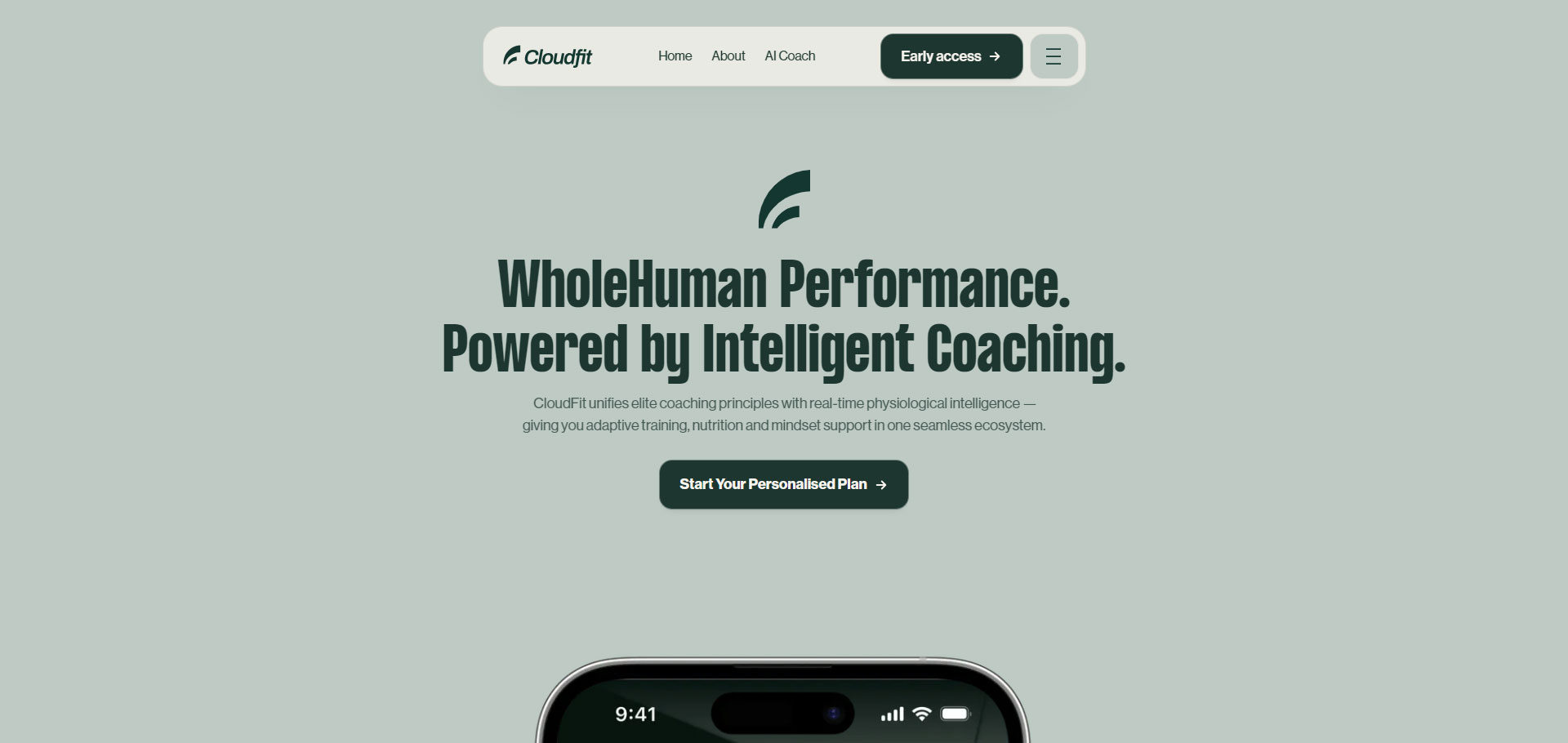
Cloudfit began with a simple idea: make wellness personal again. Founded by former rugby player Kristian Phillips, the business blended AI technology with real human coaching to help people live healthier, more balanced lives.
What started as a small wellness app quickly grew into a global platform. Cloudfit allows users to track workouts, nutrition, and wellbeing goals while keeping all their health goals connected with human support.
Through focusing on results, trust, and a genuine connection with users, Cloudfit turned a niche idea into an international success story. It’s proof that big things can grow from small beginnings when you find the right problem to solve and provide the right solution.
Source: Cloudfit
Fix & Fogg: From a local market stall to global shelves
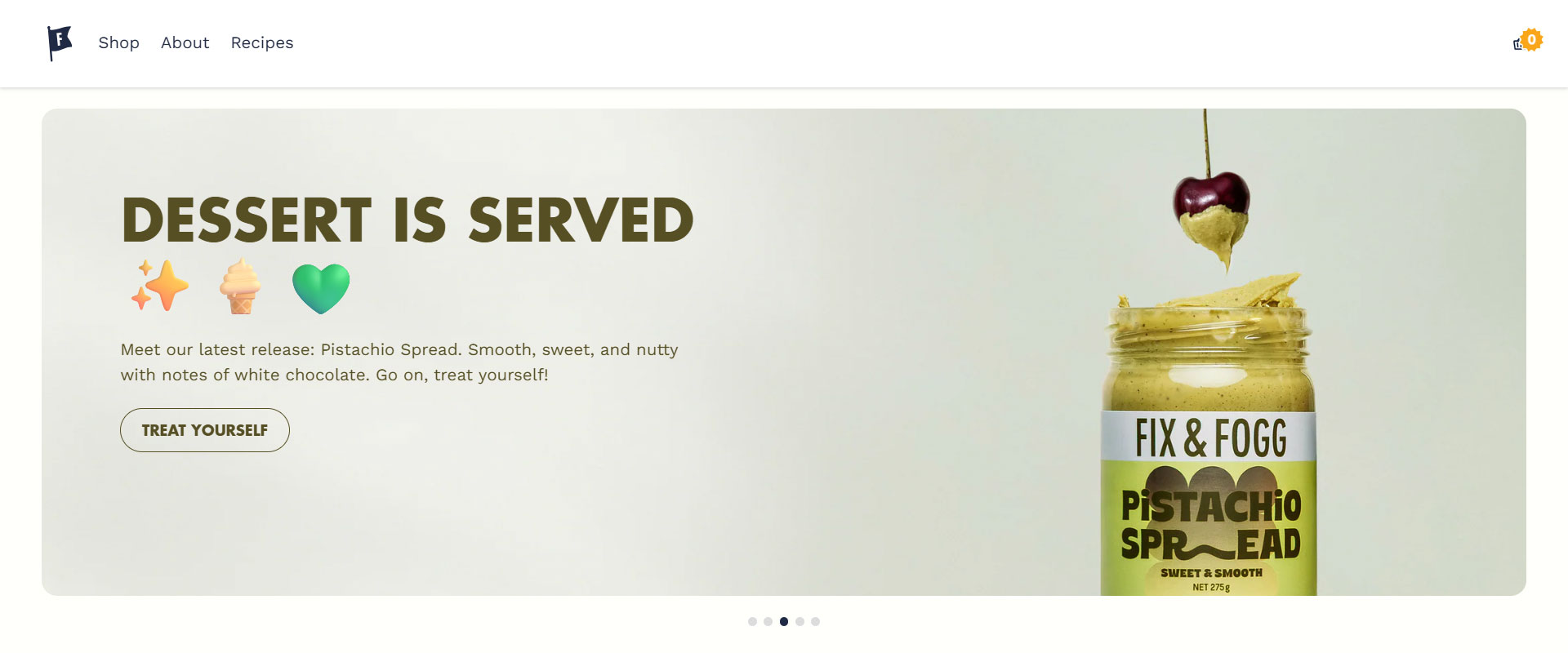
Fix & Fogg began when a wife and husband team set out to make peanut butter that tastes better and is made with care. They saw a gap in the market for high-quality nut butters that went beyond your basic peanut butter, instead using real ingredients and bold flavour combinations.
Today, Fix & Fogg products are found on shelves across New Zealand and around the world, with strong followings from Singapore to the U.S. Their story shows that when you care about what you make and focus on doing it well, even the simplest product can build a loyal customer base.
Source: Fix & Fogg
Mons Royale: Smart solutions for tricky problems
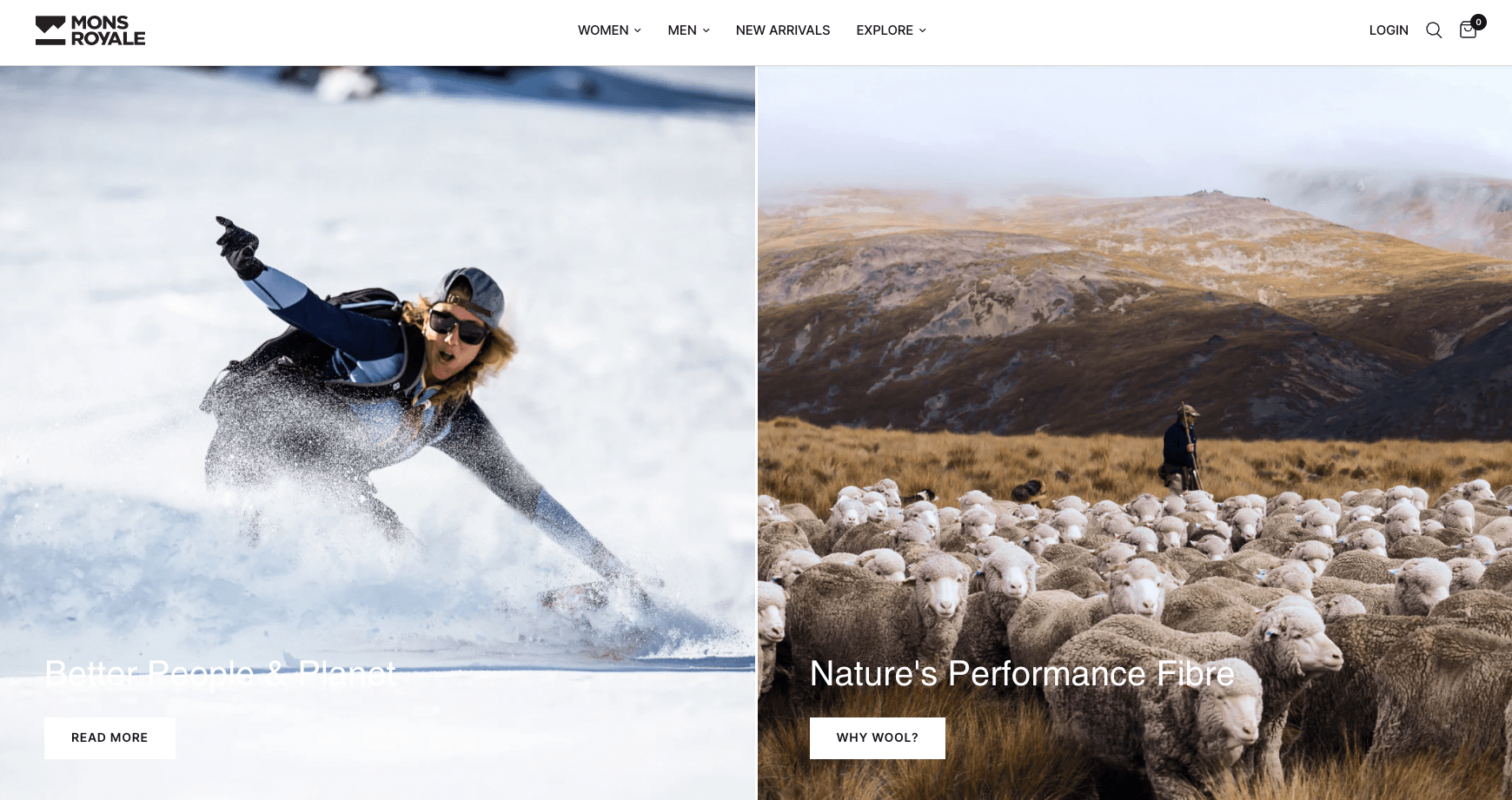
New Zealand retail brand Mons Royale is an excellent example of a solution-based business idea. Founders Hamish and Hannah Acland were frustrated with ineffective winter wear. As young ski enthusiasts, they wanted clothing that could perform on the mountain but still look good in town at day’s end.
Source: Mons Royale
They had grown up on high country stations in New Zealand and were familiar with merino wool, a high-performing, soft, natural fibre that regulates temperature. This farming background, passion for adventure sports, and concern for sustainability established a unique platform from which Mons Royale was launched in 2009.
Originally, Mons Royale started with an underwear and base layer offering, cleverly employing a well-known skiing phrase as their business tagline: “First on, last off”. They based their business in the small South Island town of Wanaka, eventually growing their offering to include a larger apparel offering for various action sports. They now have more than 700 global retail stockists, a team of 50 staff, and offices in Canada and Austria.
Throughout its journey, Mons Royale kept true to its small business origin story, which helped the brand maintain its core base while reaching new customers. They continue prioritising sustainability and base their offices in mountain towns worldwide rather than cities. Most importantly, they encourage their staff to take the day off and go skiing if it’s a perfect powder day.
Me&u: Becoming the new normal
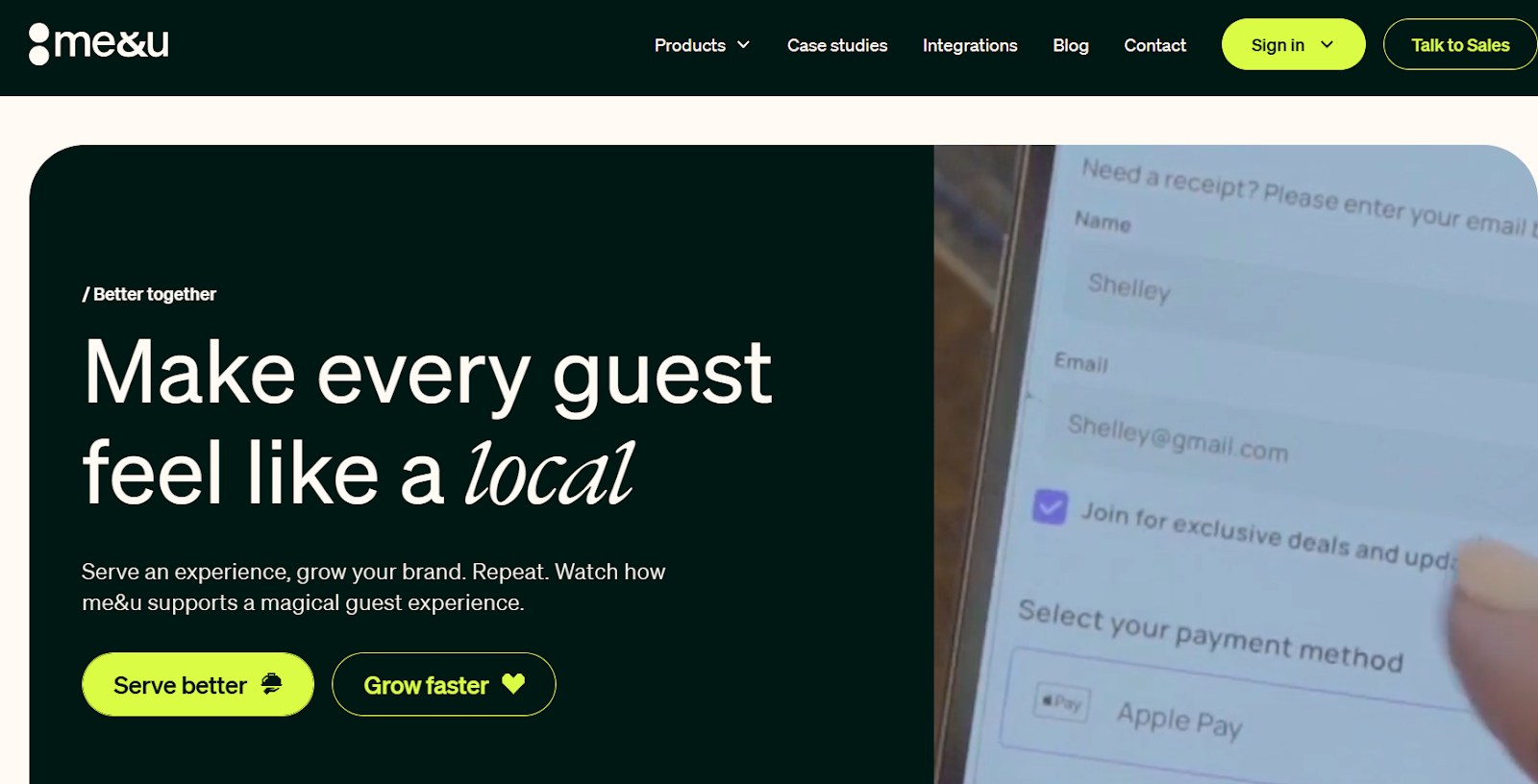
Have you ever ordered from a table QR code at an Australian bar or restaurant? Chances are, you’ve used the popular restaurant ordering app me&u.
This revolutionary idea is a great example of a niche business concept that took off, thanks (in part) to COVID. It’s an app-less platform that lets customers scan a QR code to browse food and drinks, order, and pay, all without needing to queue.
Source: me&u
The platform isn’t just for customers; businesses can use the technology to pair food and beverages, curate menus, and ‘serve an experience’, which helps to increase sales.
me&u started up in 2018, with its founders recognising the opportunities afforded by QR codes, and visualising how that might increase efficiency in the hospitality industry. When COVID forced venues to embrace a new way of working, this seemingly niche idea found itself in global demand.
me&u now operates in Australia, the United States, the United Kingdom, and New Zealand. In 2023, it merged with its largest competitor, Mr Yum, to become a global leader, processing more than $2B in dining transactions every year. That’s not a bad growth curve for a company that started with 40 employees and a clever idea.
10 steps for getting started
Once you have your idea, you need a plan. These 10 steps will help you create a roadmap for getting your idea off the ground.
- Check and obtain any licences and certifications that you need. Use the Australian Business Licence and Information Service to find out what applies in your state.
- Seek professional advice on business insurance and liability protection to ensure you look after yourself and your business. Check comparison sites or speak with an insurance broker who specialises in small business cover.
- An accountant can help you choose the right setup for your business (sole trader, partnership, company, or trust), register your ABN, and explain how tax and GST work.
- Set up business banking and register for taxes. You can register for GST through the Australian Business Register if your income exceeds $75,000. Keeping your finances clear from the start makes BAS reporting and cash flow management much simpler.
- Register your business name with ASIC and secure your domain through trusted providers like GoDaddy. Also, check IP Australia to make sure your brand name isn’t already in use before you trademark it.
- Create a business plan and a marketing plan, and run it past a business mentor.
- Start networking. Build relationships with other entrepreneurs and industry professionals by attending industry events and joining professional organisations.
- Explore funding options. Look into government small business grants, state-based programs, or low-interest loans. Crowdfunding platforms like Kickstarter can also help if you have a strong community or a product people really need.
- Get your technology in place. What systems and software will help streamline your business, improve efficiencies, and protect your data? You can start using Salesforce for small businesses for free.
- Celebrate. Seriously. A business’s early achievements will be overshadowed by the list of things that still need to be done. Celebrate and acknowledge your progress and victories with family, friends, and your team. Keep your enthusiasm and momentum; you will get there.
Experience Salesforce with an interactive demo.
Get hands on with our products and explore real use cases and solutions built for agentic enterprises.


What to consider before starting a business?
Your ingenuity and hard work benefit you as a successful small business owner. You also have more control over when and how you work, which is helpful if you have a family, are studying, or are navigating other scheduling considerations.
Here are some things to consider as you balance these responsibilities.
What is your unique selling point?
All businesses bloom from an idea. Start with a unique selling point (USP), a term coined by Rosser Reeves, and identify a gap to fill or a distinguishing feature that makes your business stand out from the competition.
Is small business ownership risky?
It can be. Many small businesses, including sole proprietorships, fail; however, many entrepreneurs believe the risk is worth the potential rewards: equity, flexibility, and job satisfaction across various types of businesses.
How much money do you need to start a business?
Depending on your starting point (amount of expertise, equipment, etc.) and your end goal (business expenses, staffing requirements, etc.), the amount you can get started with as little as $100 can range up to $100,000 or more.
The best way to calculate your startup costs is to list all of your expected expenses and assign a dollar amount to each item. Then, factor in a slush fund to cover unanticipated expenses.
Do you have a business plan?
Every successful business starts with a plan. A clear roadmap helps you figure out your priorities and set goals as your business grows. It doesn’t need to be complex. Start by outlining your vision, target audience, competitors, finances, and how you’ll measure success.
Summing up
Starting your own small business might be one of the most rewarding things you’ll ever do. However, it is risky and demands hard work, responsibility, and weathering uncertainty.
However, it could bring financial success over what you might achieve in a traditional job working for someone else. In addition, being your own boss brings greater freedom, control, and flexibility.
Best of all, you’ll enjoy the satisfaction of seeing your idea take flight. Ready to get started? Now is the time to sketch out your idea and start researching how you’ll bring it to life.When you’re ready to take your small business idea to the next level, check out Sales Cloud. Sales Cloud can help you manage leads, automate follow-ups, and ultimately close more deals. Start Sales Cloud free for 30 days.
FAQs
What tax do small businesses need to pay in Australia?
Most small businesses in Australia pay income tax on their profit and GST if they earn more than $75,000 per year. If you plan to pay staff, you’ll also need to account for superannuation and PAYG tax. The Australian Taxation Office (ATO) website has a bunch of handy guides and calculators to help you make sure your business is following the law.
How do I know if someone else is already doing my business idea?
Start with a quick online search to see if your idea already exists. Then check ASIC’s business name register, Google Maps, and social media to see who’s offering similar products or services in your area.
If you find competitors, don’t be discouraged. A unique niche, higher quality product, or better customer experience can still make your business stand out.
What are the most common small businesses in Australia?
According to the ABS, the most common types of small businesses are construction, professional services, healthcare, retail, accommodation and food services. Freelance and online businesses, like digital marketing, bookkeeping, and e-commerce, have also grown rapidly in recent years.
How can I become a self-employed consultant?
Start by choosing a field you already know well. Most successful consultants come from industries they’ve worked in before, where they understand the challenges and language. Register for an ABN and choose what structure you’ll operate under (most begin as sole traders).
Then create a simple website or LinkedIn profile to show your experience, set your rates, and start networking. Many people begin part-time before building a full-time client base.
When do most businesses make a profit?
It depends on the business, but most small businesses in Australia take about two to three years to start making steady profits. It takes time to cover start-up costs, build a customer base, and get your marketing and sales up and running.