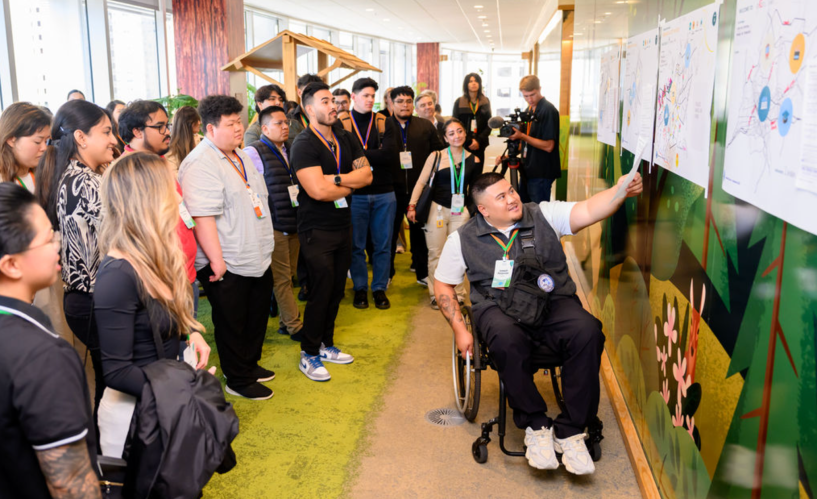



At Salesforce, professional growth isn’t just about hitting quotas or mastering new product releases; it’s about the people we bring along with us. Through the Salesforce Future Pathways program, our employees have a unique opportunity to guide early-career talent and demonstrate Salesforce leaderships values
But if you ask the mentors, they’ll tell you that they often learn just as much as the interns and apprentices. We sat down with leadership from across the business to discuss how mentorship in tech has fundamentally transformed their approach to Salesforce leadership.
Becoming a Culture Multiplier, Not Just an Expert
For many, mentorship is seen as a “nice to do” volunteer activity. But for Dr. Venita Valencia (Field Marketing Senior Lead), it became the catalyst for a major professional evolution. After mentoring nine interns over six years, Venita discovered a gift for coaching that shifted her entire career trajectory.
“Mentoring has shifted my trajectory toward being a culture multiplier within Salesforce rather than just a functional expert,” she says.
By helping interns navigate obstacles, Venita found she could operationalize her doctorate in organizational leadership in real-time. The result? A more empathetic, strategic leader who builds the human foundation of the company while delivering exceptional results.
How Mentorship in Tech Sharpens Communication
You might think a Data Cloud Account Executive working with enterprise-level customers wouldn’t have much to learn from an apprentice. David Rico found the opposite to be true. Explaining complex tech ecosystems to someone new to the industry forced him to strip away jargon and develop better modern leadership skills.
“Delivering my message to interns has pushed me to provide a relevant, cohesive message that meets them where they are,” David explains. “I have since used that as a guide when speaking to my enterprise customers, which has helped create more productive and collaborative sales engagements.”
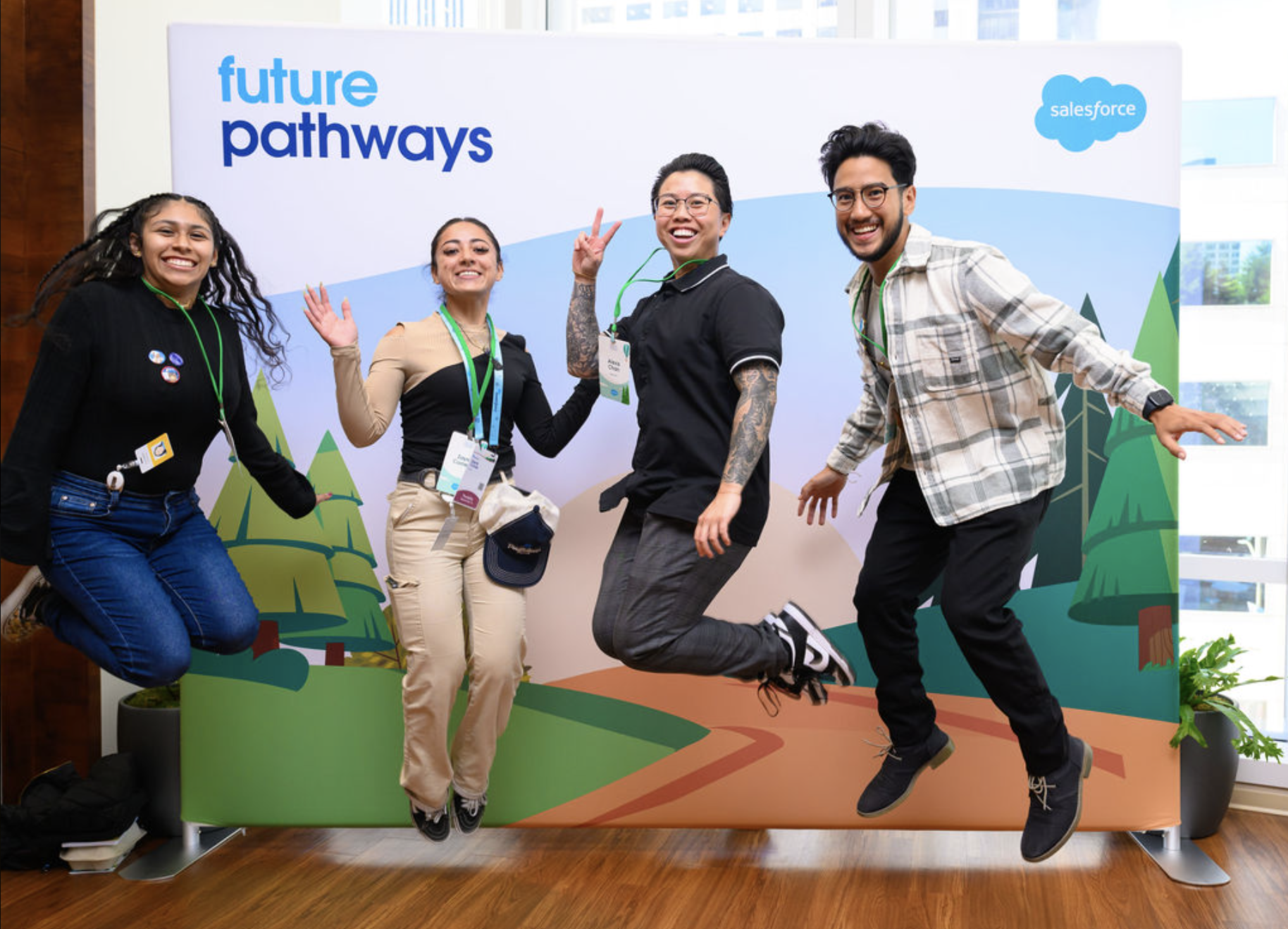
The Value of a Beginner’s Mindset in Tech
While mentors provide the roadmap, apprentices and interns often provide the fuel. Emily Keep, Senior Director of Product Management, highlights that the mentor-mentee relationship offers a unique kind of professional refreshment that yields major benefits of mentorship.
“Mentoring an apprentice is a special type of engagement,” Emily shares. “They bring fresh perspectives and energy, reigniting our passion for Salesforce with a beginners mindset.”
A beginner’s mindset leadership style is a core tenet of modern innovation. By seeing the platform through the eyes of someone experiencing it for the first time, leaders like Emily are able to strip away old habits and reconnect with the core excitement of their work.
Guiding Mentees Through Tech Sensory Overload
The tech world moves at a blistering pace—a landscape David Rico describes as “sensory overload” that can disorient even the most experienced professionals. For those from underrepresented communities, this high-pressure environment often breeds imposter syndrome. David views a mentor’s role as providing a vital “barometer and compass” for the journey.
“It is critical to keep them from parachuting out,” David notes. “Mentors can help dispel those feelings and foster personal conviction in belonging and their ability to succeed.”
The Power of Collaborative Mentoring Models
One of David’s most significant insights came from a moment of friction. He realized that his personal expectations for mentorship didn’t always align with what his mentees actually needed.
To solve this, David adopted a collaborative mentoring methodology:
- Listen First: Shifted from prescribing a path to asking open-ended questions.
- Joint Frameworks: Establishing goals with the mentee, not for them.
- Continuous Feedback: Systematically soliciting feedback to ensure the relationship is mutually beneficial.
It’s a masterclass in modern leadership: listening more than talking.
Sharing Unwritten Rules and Embracing Mistakes
Venita recalls having zero mentors when she started her career, which fuels her desire to be the person she once needed. She leads with radical authenticity, sharing the parts of the tech industry that aren’t written in the employee handbook.
“I do not just share my successes; I share my mistakes and the unwritten rules of the industry,” Venita says. “The way I seek to validate them, they have validated me a thousand times over.”

The Mutual Benefits of Mentorship in Tech
Whether you are an external observer or a Salesforce employee, the message is clear: mentorship in tech is a two-way street. Future Pathways and Year Up provides interns with what Dr. Venita Valencia calls “a blueprint for economic independence,” while giving corporate mentors a sense of groundedness, a sharper leadership toolkit, and a reignited passion for their craft.
As David puts it, it’s about “doing well while doing good.”
💡 Learn More About Salesforce Future Pathways
Are you ready to grow your leadership skills or jumpstart your career in technology? Discover how the Salesforce Future Pathways program builds the next generation of tech innovators.