




Congratulations! You just made a sale — time to get it in the books. But it’s not over just yet. The next logical, yet intimidating step is…*drum roll*…yes, that’s right, the upsell.
“But I just made the sale!” you say. And, your hesitation is understandable. You’ve worked hard to win your customer, and the last thing you want to do is risk that hard-earned relationship by pushing too hard. However, with the right personalization strategy, upselling doesn’t have to be about high-pressure tactics; it can and should be about providing genuine value to your customers exactly when they need it. And, now artificial intelligence (AI) and large language models (LLMs) can help personalize the experience, and predict customer needs before they even articulate them. Let’s talk upselling.
What is upselling?
Upselling is the practice of encouraging customers to purchase a higher-end product, add-on, or upgrade to their pre-existing purchase. For startups and small and medium-sized businesses (SMBs), this is more than just a revenue booster — it’s a validation of your product’s value and a measure of customer satisfaction. A successful upsell means the customer is getting more value, and is less likely to churn.
How does upselling differ from cross-selling? Cross-selling involves recommending a complementary product or service related to the item the customer is buying (for example suggesting a protective case when they buy a phone). Both are strategies for increasing customer lifetime value, but upselling focuses on maximizing the value of a single product line, while cross-selling focuses on breadth of purchase.
Use CRM data to personalize your upgrade offers
Your customer relationship management (CRM) system is the single most valuable resource for smart upselling. It holds the complete history of your customer, including what they bought, how they use it, and any issues they’ve had. This wealth of information is what separates successful upselling from disruptive sales pitches.
Identifying the perfect time to upsell
The data in your CRM helps you spot clear signals that a customer is ready for an upgrade. Here are three signs to watch out for that you can track in your CRM platform.
- High usage metrics: A customer consistently using, say, 90% or more of their current plan’s limit is a clear sign they need more capacity, making an upgrade a necessity, not a luxury.
- Feature exploration: If a customer repeatedly accesses a feature that is paywalled or only available in a higher tier, it indicates a clear need and interest.
- Service history analysis: Repeated support tickets for the same type of complex problem can suggest that they need the advanced capabilities or dedicated support team that comes with a premium package.
Try a Sales CRM made for growing teams
Try Salesforce for small business sales to close more deals and win more customers, today.

How AI-powered CRM and LLMs can predict customer needs
AI-powered CRM and LLMs are redefining how startups approach upselling. These unified tools go beyond simply reporting what happened: they use predictive analytics to suggest what will happen, allowing you to be proactive.
AI embedded within a CRM, like Salesforce, analyzes customer behavior across sales, marketing, service, and commerce touchpoints. Here’s what an AI-enabled CRM is able to tell you.
Predictive feature adoption: AI can analyze the usage patterns of customers who successfully upgraded in the past and compare them to current customers on the basic tier. If a customer is exhibiting the same high-engagement behaviors, the AI flags them as a strong candidate for an upsell.
Personalized offer generation: AI insights can use a customer’s industry, company size, and product usage data to generate personalized sales copy or email outreach that speaks directly to their current challenges and how the upgrade will solve them. This personalization makes the offer feel less like a sales pitch and more like a tailored recommendation.
Agentforce: The path to advanced upselling for startups
For the fast-growing startup ready to harness the full power of AI for customer interactions, Agentforce is a path toward scaling fast. This advanced capability integrates AI directly into sales workflows, making it the ultimate tool for strategic upselling for startups.
Agentforce uses generative AI to assist service and sales representatives, ensuring every interaction is not only efficient but also highly personalized. Here are some ways Agentforce can aid in your upsell efforts.
- Automated case summaries: Your team can instantly see a natural language summary of a customer’s complex history generated by an LLM, allowing them to jump straight to the solution and, if appropriate, recommend an upgrade that prevents future issues.
- Predictive scoring: Take the guesswork out of upselling and focus on sure bets. With predictive scoring, LLMs analyze a customer’s history and based on parameters you set, assign a value to how likely they are to accept.
- Next-best-action recommendations: When a customer calls with a specific product question, the Agentforce 360 system can use LLMs to analyze the context of the call and prompt the agent with a perfect upsell offer, like a related product or a service plan that covers their current pain point.
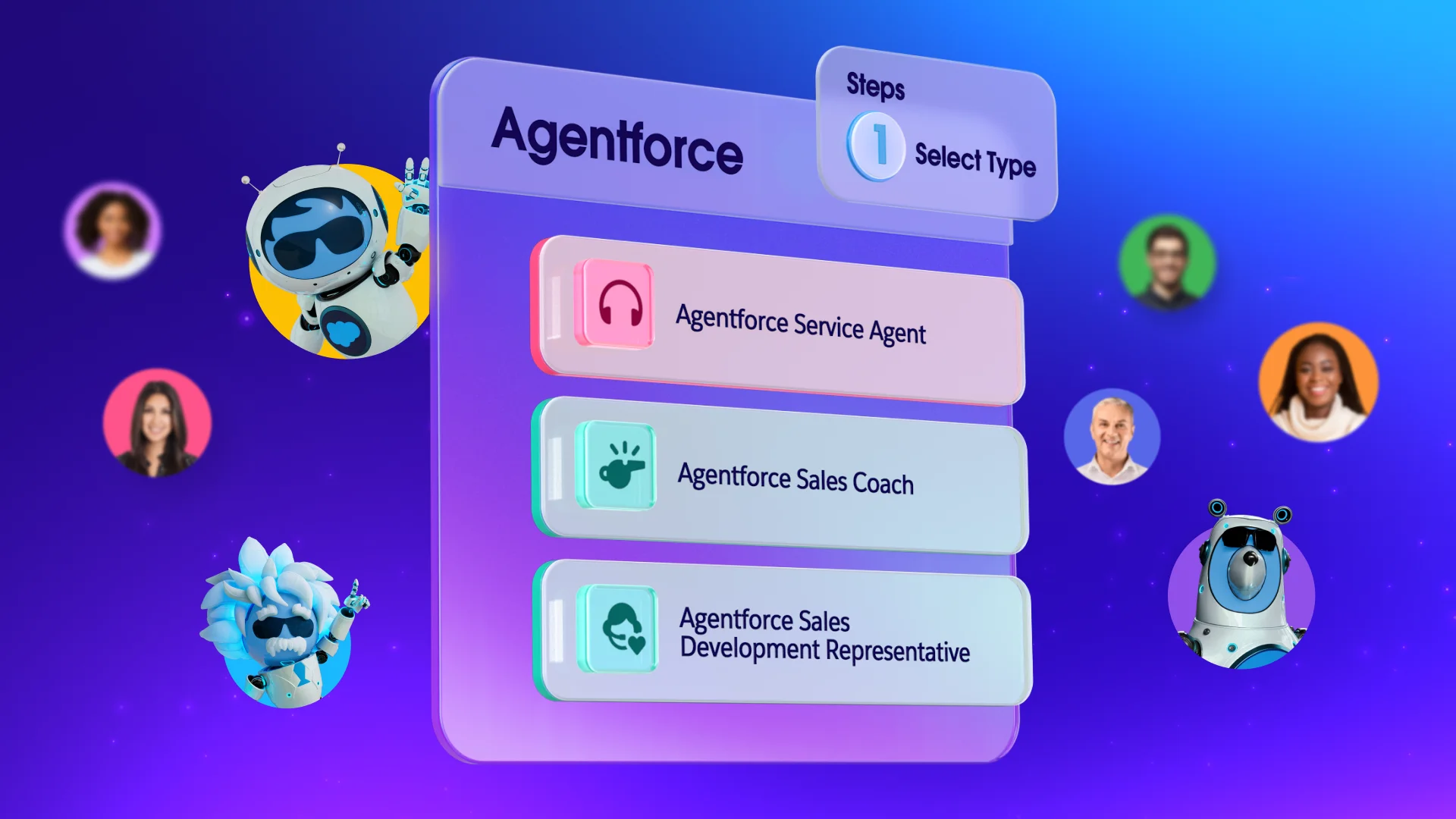
- Sales coaching with AI agents: Build AI agents that can coach your sellers on how to perfect their upsell pitches. These agents can conduct role-plays tailored to each deal, so your reps can prepare with a partner that understands the context.
Master the upsell with Salesforce
Ready to try upselling yourself? With these strategic upselling tips, any startup can build a sustainable, growing business. By moving from one-off sales to continuous customer success, and tapping in to data from your CRM platforms, you ensure that every upgrade recommendation is a valuable opportunity for your customer. The goal is to build a partnership where your brand evolves in lockstep with their growth.
Start your journey with a free trial of Salesforce. Already a customer? Activate Foundations to try out Agentforce today.
AI supported the writers and editors who created this article.
Frequently Asked Questions (FAQs)
For startups, upselling is a critical growth driver because it increases revenue from existing customers, which is often more cost-effective than acquiring new ones. It also validates product value, improves customer retention, and provides stable, predictable revenue streams essential for scaling.
AI, particularly when embedded in a CRM, helps by identifying the exact right time to offer an upgrade based on predictive analytics of customer usage, behavior, and support history. This shifts the process from a pushy sales pitch to a relevant, personalized recommendation that addresses an existing or emerging customer need.
You should track high usage metrics (like hitting capacity limits), repeated feature exploration in higher tiers, and recurring service issues or support tickets that suggest a need for more advanced features or dedicated support. Analyzing this data, especially with an AI-powered CRM, provides concrete evidence that a customer is ready to scale.
We advocate for a customer-centric, data-driven approach to upselling. The best strategy is to use a unified CRM to create a 360-degree view of the customer. This enables businesses to evolve their solutions in lockstep with customer growth, making every upsell a natural progression and a value-added opportunity rather than a transactional sales event.
Upselling encourages buying a more expensive or upgraded version of a product the customer is considering or has purchased. Cross-selling recommends a complementary product or service. Both increase customer lifetime value (CLV) upselling maximizes a single product line’s value, while cross-selling focuses on purchase breadth.