



The workday starts long before everyone logs on. Messages begin rolling in from different cities, projects move between time zones, and decisions happen across screens instead of conference rooms.
For many business owners, leading a remote team can feel uncertain at first — like trying to stay connected to moving pieces from miles away. But remote management isn’t about watching every task happen in real time. It’s about building systems that keep communication clear, collaboration seamless, and teams aligned no matter where they work. With the right tools and processes in place, businesses can create a remote culture where productivity, accountability, and connection thrive beyond the office walls. Let’s find out how.
Establish a trusting and positive remote culture
Effective remote management starts with trust and a shift in how you measure success. Instead of watching the clock, small businesses should focus on milestones and deliverables that help the company grow. This approach allows your teams to work during their most productive hours while still meeting the needs of your customers.
To make this work, you need a central place where all customer interactions are recorded so no one is left in the dark. Connecting a unified customer relationship management (CRM) tool to a smart collaboration hub like Slack, ensures that a remote team member in one time zone knows exactly what happened with a client in another. This visibility is the backbone of a successful remote management strategy for growing startups. Let’s dig into how Slack and CRM work together.
Centralize communication with Slack
For a busy startup, remote management is much easier when your technology does the heavy lifting for you. By connecting your digital headquarters to your business data, you allow your team to close deals and resolve cases without switching between dozens of tabs. When your tools talk to each other, you spend less time asking for updates and more time making strategic decisions.
- Create dedicated channels. Organize conversations by project, department, or client to keep information searchable.
- Use clips and huddles. Replace long meetings with quick audio or video updates that people can watch on their own time.
- Connect your tools. Bring notifications from your sales and service apps directly into your chat workspace.
Simplify remote sales and service
Integrating your sales and service functions into one platform allows for a seamless flow of information. This means your service reps can see the latest deals the sales team is working on, providing a better experience for the customer. Using Slack for sales helps maintain this remote management flow without requiring a manager to manually pass off every lead or case. Here are a few ways you can simplify your remote sales processes with Slack:
- Real-time alerts: Get notified the moment a hot lead fills out a form or a high-priority case is opened.
- Collaborative selling: Loop in experts from marketing or legal into a sales channel to speed up contract reviews.
- Instant visibility: Use Slack commands to pull customer records directly into your conversation for quick context.
- Knowledge base: Build a library of answers in a self-service portal that both sales reps and customers can use.
- Case tracking: Use a system that alerts you if a customer has been waiting too long for an answer.
Slack is where business gets done.
Bring your team, your customers, and your tools together to take your business to the next level with Slack — where business gets done.

Communication habits for asynchronous team success
Good communication in a virtual office is about quality over quantity. Instead of a dozen quick chats that disrupt the flow of work, try to use organized channels where conversations stay threaded and searchable. This helps teams quickly communicate and new hires to catch up on project history without needing lengthy meetings.
Setting expectations for response times is another vital part of remote management. Let your team know it’s okay to go offline to focus on deep work, as long as they update their status. This balance prevents burnout and keeps the team motivated because they feel empowered to manage their own schedules.
Effective check-ins
- Weekly huddles: Schedule a quick Slack huddle, staying focused on removing blockers for the week ahead.
- Asynchronous updates: Use a shared Canvas where everyone lists their wins and hurdles.
- Virtual watercoolers: Create an automated reminder or space for social talk to keep the company culture alive.
The role of data in remote management
When you can’t walk over to someone’s desk to ask for a report, having real — time data becomes your best friend. Dashboards that track key performance indicators give you a bird’s — eye view of how you’re performing.
Using CRM and Slack integrated analytics within your sales and marketing tools helps you see where leads are dropping off or which service reps need more support. This proactive approach allows you to step in and help exactly when it is needed. Reliable data is the glue that keeps a distributed remote plan together as you scale.
Train your team wherever you are in the world
Growth doesn’t stop just because your team isn’t in a physical office. Look for ways to offer digital learning and career development to keep your best talent engaged. Providing access to online training modules allows your team to gain new skills at their own pace, which benefits the entire business. Here are a few ways you can do that:
- Skill badges: Encourage team members to earn certifications in the tools they use daily.
- Peer reviews: Set up a system where teammates can give each other constructive feedback.
- Career paths: Map out how a junior employee can move up within your growing business.




Adapt your remote sales strategy
Selling in a digital world requires a different set of skills than traditional face-to-face interactions. Your sales team needs to be proficient in virtual presentations and digital social selling to reach modern buyers. You can, and should, provide the coaching and resources they need to close deals from anywhere.
Equipping your sales force (see what we did there?) with mobile tools ensures they can update records or send quotes while they’re on the move. This flexibility is a huge advantage for those that want to move fast and stay ahead of larger competitors. With a strong remote management framework, your sales reach is no longer limited by your physical location. Sell more with mobile accessibility within your CRM and Slack:
- Mobile apps: Ensure your team can access customer data on their phones.
- Video conferencing: Use high — quality video tools for personal sales pitches.
- Digital signatures: Speed up the closing process with electronic contracts.
Staying secure while managing remotely
Security is a top priority when your team is accessing sensitive company data from various locations. Implementing strong password policies and multi-factor authentication (MFA) helps protect your business from potential threats. Part of remote management is educating your team on how to recognize phishing attempts and secure their home networks.
Using cloud-based platforms ensures that your data is backed up and protected by professional-grade security measures. This gives you peace of mind knowing that your information is safe even if a laptop is lost or stolen. Proper remote management includes making sure every team member understands their role in keeping digital assets secure. Here are some security best practices:
- Regular audits: Check who has access to your systems and remove those who no longer need it.
- Encryption: Use tools that encrypt data both at rest and in transit.
- Secure connections: Require the use of a virtual private network when accessing public WiFi.
Activate AI for your WFA team
Implementing artificial intelligence (AI) can help automate repetitive tasks like data entry or scheduling, which frees up your team to focus on building relationships. As you scale, these smart tools provide the support needed to handle a higher volume of work without increasing your headcount. This global reach is a powerful way for remote management that helps you stay competitive.
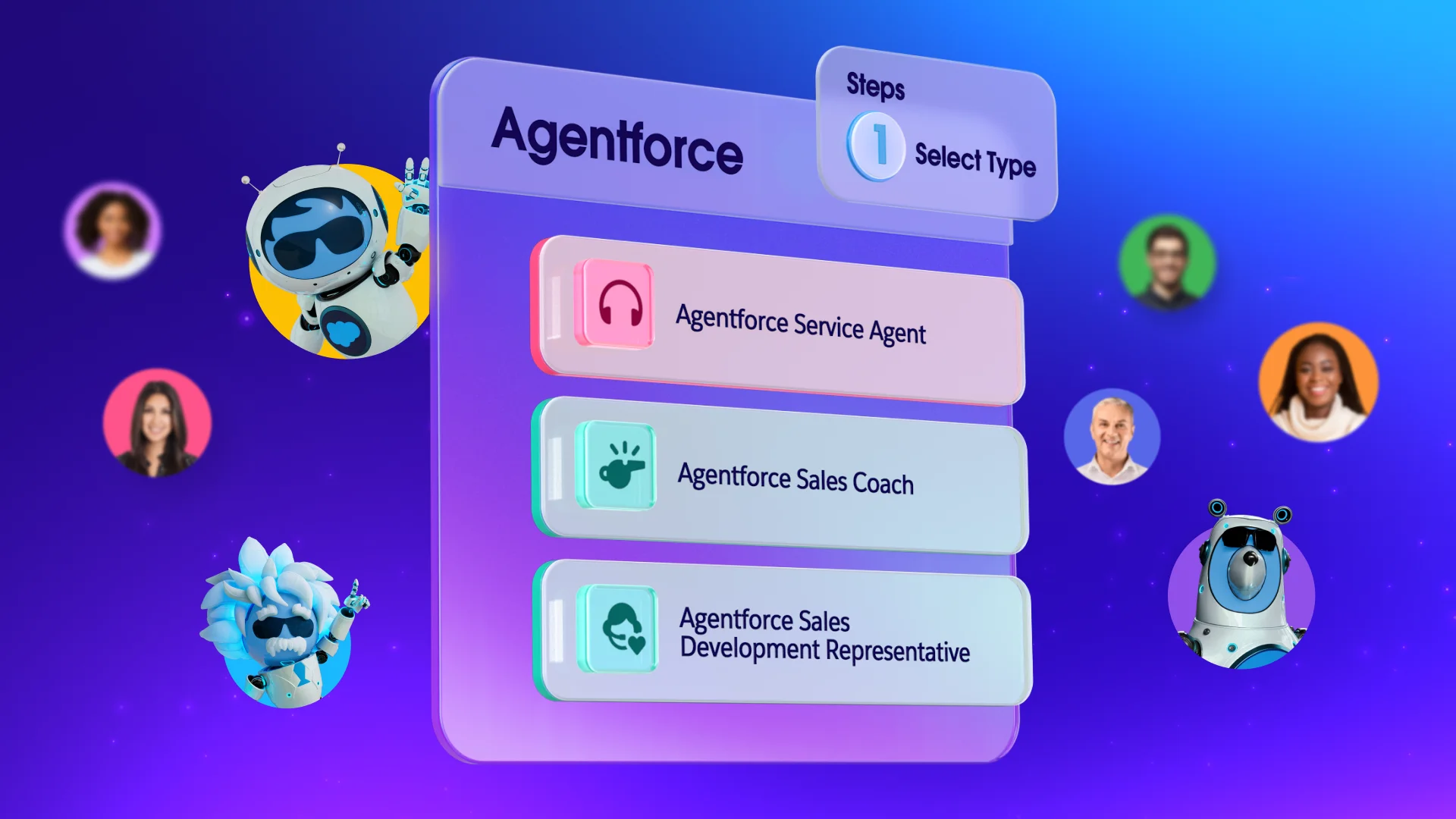
Now, AI is built into Slack and CRM, even for small businesses. Salesforce Suites offer embedded AI, employee agents, and smart tools to collaborate and connect with teams all over the world. It’s amazing how AI is assisting growing organizations all over the world to become enterprise leaders.
Future-proof your asynchronous team
Looking toward the future, incorporating advanced tools like Agentforce 360 can help your team handle complex tasks with the help of digital assistants. By staying curious and open to new technology, you can ensure your business remains a place where people want to work. The best practices of remote management are about valuing work-life balance. Ultimately, successful leadership is about creating a thriving environment where everyone can do their best work.
Start your remote management journey with Salesforce today. Activate Foundations to try out Agentforce today.
AI supported the writers and editors who created this article.
Get Slack for Small Business.
Growing teams can take business to the next level.

What is the biggest challenge of remote management for a small business?
The most common hurdle is maintaining clear communication and team cohesion without a shared physical space. You can overcome this by setting clear expectations and using a centralized platform for collaboration to keep everyone aligned.
How do I track employee productivity without micromanaging?
Focus on outcomes and specific goals rather than the number of hours someone is online. Using dashboards within your systems allows you to see progress without hovering.
Which tools are essential for managing a distributed startup?
At a minimum, you need a shared communication tool like Slack, a project management system, and a unified platform for customer data. These tools ensure that every team member has the information they need to be successful.
Can asynchronous work really be as effective as real — time collaboration?
Yes, it often leads to deeper focus and more thoughtful responses because employees aren’t constantly interrupted by meetings. It requires a commitment to thorough documentation and clear deadlines to keep projects moving forward.
How do I maintain company culture in a virtual environment?
Make time for non-work interactions through virtual social hours or dedicated channels for hobbies. Recognizing team wins publicly and celebrating milestones also helps build a sense of belonging among remote teams.