

The businesses winning attention right now aren’t the ones with the biggest ad budgets. They’re the ones creating moments their audience actually wants to be part of. For small and medium businesses (SMBs), that’s a genuinely exciting opportunity. Immersive marketing — the kind that pulls people in instead of interrupting them — has never been more accessible to lean teams. And when it’s done right, it doesn’t just capture attention. It builds the kind of brand memory that keeps customers coming back long after the campaign ends.
Let’s break down what immersive marketing is, why it works, and how smart tools are making it possible for growing businesses to create unforgettable experiences — without needing an enterprise budget to do it.
What is immersive marketing?
Immersive marketing is an approach that moves away from just telling people about your product to actively showing them what it can do in real-time. It focuses on creating memorable experiences that turn passive prospects into engaged customers.
This strategy helps you build deeper emotional connections and trust from the very first interaction. It involves creating environments — digital or physical — where customers can explore your brand at their own pace.
While immersive marketing serves as the broad strategy of creating environments where customers can explore a brand at their own pace, virtual try-on and similar augmented reality tools are specific, personalized tactics within that framework. These interactive tools allow customers to actively experience a product in their own space, bridging the gap between digital discovery and real-world utility.
Why immersive marketing matters for your growing business
To get immersive with your marketing means you’re putting yourself in your prospect’s (and your customers) shoes. Your audience wants to feel like they’re part of a story rather than just a target for a sales pitch. Using immersive marketing allows you to create environments where people can explore your brand at their own pace. This leads to higher engagement rates and helps you gather better data on customer preferences.
Some of the benefits of immersive marketing are:
- Creates memorable, engaging experiences to convert passive prospects
- Builds deeper emotional connections and trust
- Increases engagement rates and captures better data on customer preferences
- Accelerates deal closing and fosters long-term loyalty
Maximize the journey with AI and CRM
Small teams often worry that high-tech experiences are out of reach, but simple interactive elements can be just as effective. You can start by adding interactive polls, 360-degree product views, or personalized quizzes to your website. These small steps in immersive marketing make your startup feel more modern and accessible to your target market.
To make these experiences feel truly special, you need to tailor them to the individual. This is where artificial intelligence (AI) and customer relationship management (CRM) tools come in to help you analyze customer behavior and predict what they want to see next. Instead of a one-size-fits-all approach, you can deliver specific content that matches the user’s current needs.
Consider how you could use customer data to improve the user experience. With CRM, you might look at purchase history or browsing habits to suggest a specific virtual try-on session. This ensures that your efforts are spent on the leads most likely to convert, saving your team time and energy.
By integrating AI into your strategy, you can automate the delivery of these moments without losing the human touch. For example, your marketing team can use data to trigger an interactive product demo exactly when a lead shows interest. This level of immersive marketing for startups ensures that every interaction feels intentional and relevant.
The marketing CRM for small business is here.
Automate your marketing campaigns with a connected tool built for growing businesses.

Create interactive content for social media
Build a community around your brand while keeping people interested in your updates. When you use social media (think Snapchat filters), you make your startup feel more alive and responsive. It turns a simple followers list into a group of active brand advocates who feel heard.
Social platforms are perfect for testing out new ways to engage your fans.
- Try using virtual augmented reality (AR) filters that let people “place” your product in their own home.
- Host live video sessions where viewers can vote on what features you should develop next.
- Create short, interactive stories that reward users for clicking through to the end.
Improve your sales and service with immersive experiences
Immersive tactics shouldn’t stop once a lead enters your funnel. Your sales team can use interactive presentations to guide prospects through a solution, making the benefits clear and tangible. This closes deals faster because the buyer has already “experienced” the value of what you’re offering.
Once someone becomes a customer, your service team can use these same principles to provide better support. Imagine a customer being able to follow an interactive video guide to set up their new software instead of reading a long manual. This type of immersive marketing in the post-purchase phase builds long-term loyalty and reduces churn.
Build trust through transparency
Transparency is a powerful tool to win over skeptical buyers. When you use immersive marketing to be open about your process, you build a foundation of trust that lasts. Here are some tips to build that trust:
- Show behind-the-scenes looks at how your products are made or how your team works.
- Use interactive maps to show the impact of your startup’s sustainability efforts or charity work.
- Let customers contribute their own content to your site to show real-world use cases.
Manage your (massive) marketing growth with smart tools
As your business grows, managing these complex experiences can become a full-time job. You need a way to keep your commerce and marketing efforts aligned so you don’t send mixed signals. Using a single platform (like your CRM system) for all your business needs helps keep your data clean and your team focused.
A CRM system helps productivity stay high even as your campaigns get more creative. You can see which parts of your immersive marketing strategies are bringing in the most revenue and adjust your plan in real-time. You might find that a specific interactive video is performing better than your expensive ads. This lets you double down on immersive marketing efforts that actually boost your bottom line. Here are some ways you can track your campaign efforts:
- Engagement rate (total of likes, shares, and comments)
- Time spent with interactive content (how long people are sticking around)
- Conversion rate (where people are clicking from experience to action)
- Social sentiment and brand affinity (how people are talking about your content)
Get agentic with every campaign
The future of business is about being more efficient and more helpful at the same time. This is why many teams are looking toward AI agents to help get more engaged in their marketing efforts.
By using intelligent, automated assistants, you can ensure that your immersive marketing campaigns are always running, even when your team is off the clock. These AI agents can help hyperpersonalize your posts, guide users through interactive demos, and even help with the checkout process. This means you can provide a high-end experience, 24/7.
Remember that the goal is always to make the customer feel seen and valued. Whether you’re using AI or not, the focus should remain on the person on the other side of the screen. This human-centric approach is what’ll truly make your immersive marketing efforts a success.
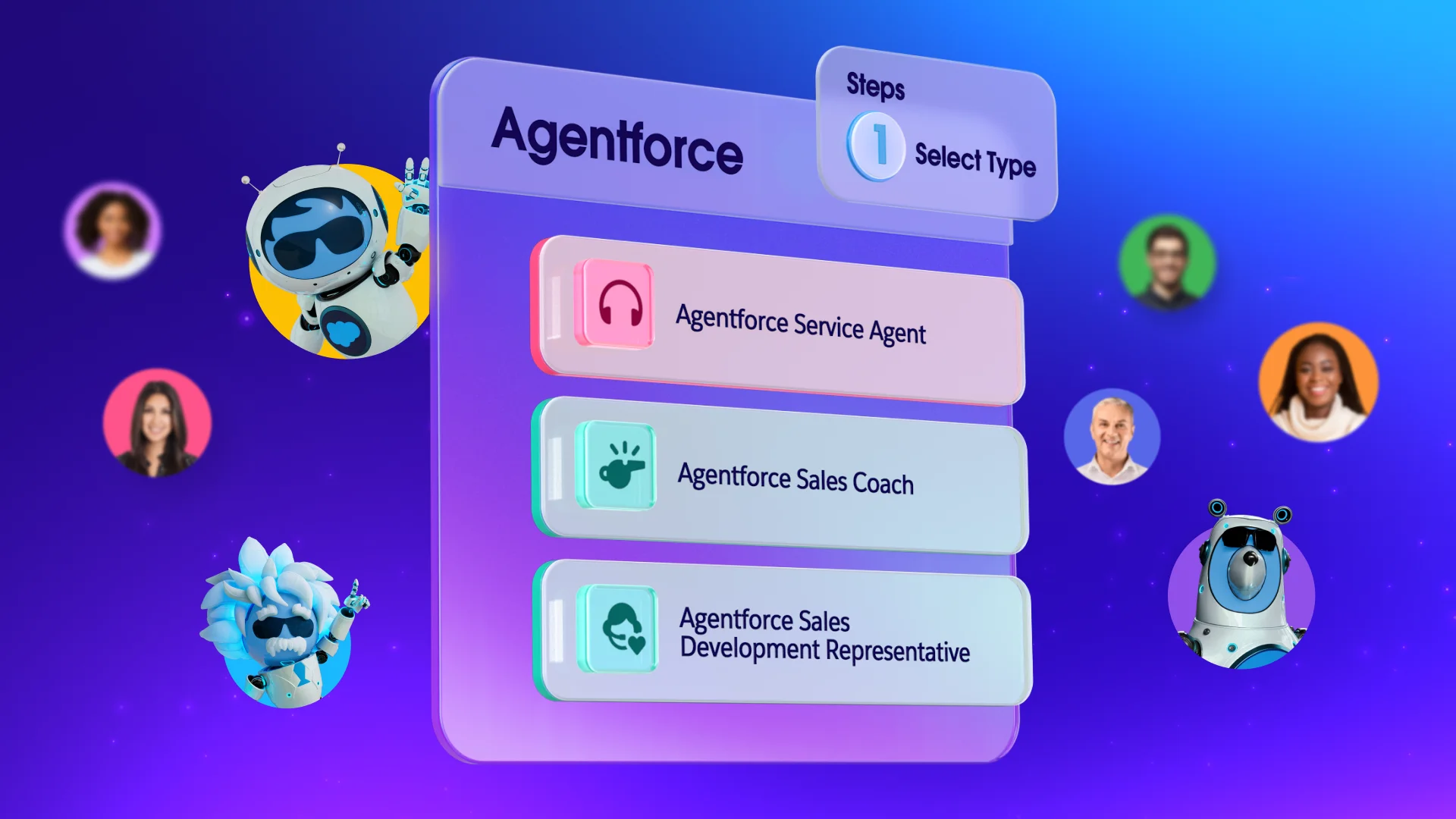
Pro tip: Try Agentforce 360 to maximize the immersive experience for your customers. With fully automated tools, you can create the ultimate purchasing journey that is hyperpersonalized, 24/7.
Ready to get immersive?
When you’re ready to kick off your immersive marketing journey, we’re here to help. With cutting edge marketing and AI tools, you can connect like enterprise companies do, no matter what size your business is.
Start your marketing journey with Salesforce Suites today or activate Foundations today to try Agentforce 360.
AI supported the writers and editors who created this article.
What’s the first step in starting an immersive marketing campaign?
Begin by identifying a single touchpoint in your customer journey that feels flat or boring, such as a basic product page. You can then add a simple interactive element, like a quiz or a short video, to see how your audience responds. For more tips on getting started, check out this guide on digital marketing basics.
Do I need a large budget to create immersive experiences?
No, many effective tactics like live social media videos or basic interactive polls are free or very low-cost. You can scale your efforts as your startup grows and you see a return on your initial experiments.
How does CRM help with immersive marketing?
A CRM stores all your customer data in one place, allowing you to personalize the interactive experiences based on what you know about the user. Explore how to get the most out of your data with Trailhead, Salesforce’s free online learning platform.
Can immersive marketing help with customer retention?
Yes, by creating engaging post-purchase experiences, you keep your brand top-of-mind and make it easier for customers to use your product. This builds a stronger relationship and encourages them to come back for more.
Is AI necessary for immersive marketing to work?
While not strictly necessary for simple tactics, AI makes it much easier to scale your efforts and provide a personalized experience for every user. It helps you automate the “right” moments so you don’t have to manually track every lead.