




If you have a compelling product but prefer not to manage manufacturing operations, white labeling could be a great option for you. A third-party manufacturer designs and produces the item, enabling you to apply your own branding and bring it to market efficiently. For a small business owner or startup founder testing a new line without a six-figure production budget, it’s one of the fastest paths from idea to “add to cart.”
This guide covers what a white label product is, the real benefits and tradeoffs, some examples, and how to run the business behind it with the right tools.
What is a white label product?
A white label (or white-label) product is an item made by one manufacturer and sold under another brand. The manufacturer handles production; you handle the packaging, marketing, and customer relationship. It’s a close cousin of private label, where a retailer commissions a product made just for them — white label products, by contrast, are usually the same generic item sold to multiple brands with different labels slapped on.
Retailers gravitate toward white label products because they remove the biggest barrier to launching something new: manufacturing risk. You’re not tooling up a factory line or guessing at demand before you’ve sold a single unit. A small and medium business (SMB) can go from concept to storefront in weeks instead of years, which matters when you’re chasing a market window that won’t stay open.
Benefits and tradeoffs of the white-label model
The upside is real, but so is the fine print. Here’s the honest tally before you commit inventory dollars to a white-label product line.
- Lower startup costs: You skip product development and tooling, so your first order can be your only major upfront expense.
- Faster time to market: Since the product already exists, you can launch in weeks rather than waiting on a design and manufacturing cycle.
- Focus on what you’re actually good at: Branding, marketing, and customer experience become your full-time job, not a side project squeezed in around production headaches.
- Thinner differentiation: If your supplier sells the same white label product to five other stores, your brand and customer experience are the only things separating you from a price war.
- Quality control is someone else’s call: You’re vouching for a product you didn’t build, so a bad batch becomes your customer service problem, not just the manufacturer.
Startups selling supplements, skincare, apparel, and home goods lean on white label products constantly — a Reddit thread’s worth of “which supplier should I use” isn’t hype, it’s a real strategy pattern. The catch is that you’re competing on brand and experience, not on the product itself, so those two things have to carry real weight.
White label product examples worth knowing
White label shows up everywhere, not just in trendy ecommerce niches. Private label groceries, generic pharmaceuticals, and financial products all follow the same basic playbook: One company builds, another sells.
For an SMB launching online, the most common route is a white label product paired with dropshipping — a supplier makes and ships the product, and you never touch inventory. A supplement brand sourcing generic capsules from a contract manufacturer, a boutique selling unbranded tote bags with its own logo printed on, and a coffee roaster private-labeling beans from a co-packer are all running some version of this model.
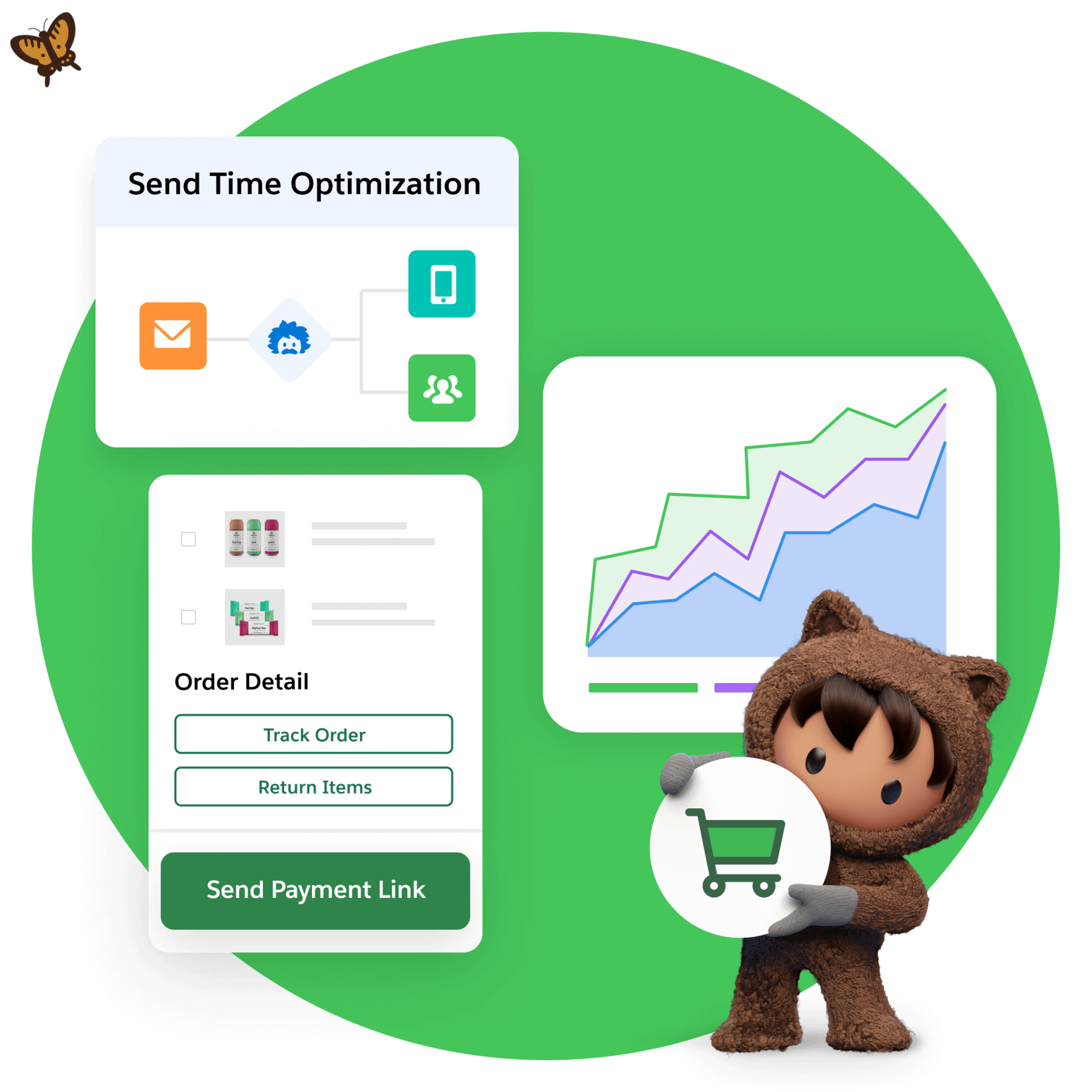
Commerce starts with Salesforce Suites
Sell more using a commerce-ready CRM with integrated tools for every sale.
Making your white label product feel like it’s really yours
This is the part that separates a forgettable white label product from a brand people come back for.
Start with the data you already have. Every order, support ticket, and email reply tells you something about who’s buying and why — and if that information is scattered across five different tools, you’re the last one to notice a pattern your competitor already acted on. A customer relationship management (CRM) system that ties your storefront, inbox, and support channel together means you catch a repeat customer, a shipping complaint, or a reorder opportunity while it still matters. Salesforce was built for exactly this — one place to run sales, marketing, and service without needing a specialist for each.
That matters because 76% of SMB customers say their teams now operate off the same view of the customer, which means no more piecing together conflicting notes from three different tabs before you can answer a simple question. And with 88% of SMBs already engaging with AI in some form, the businesses pulling ahead aren’t the ones with the fanciest product — they’re the ones who respond faster and remember more.
5 Steps To Implementing AI Agents For Small Business
Get the free e-book and get your AI agents up and running.
AI and white labeling: Automate your model
Customers who buy a white label product are trusting you, specifically, to stand behind it — and 64% of customers already think companies are reckless with their data, so a security slip-up costs you more than a bad review. Salesforce’s approach to keeping customer data secure means you can lean into AI and automation without gambling on the trust you’ve spent months building.
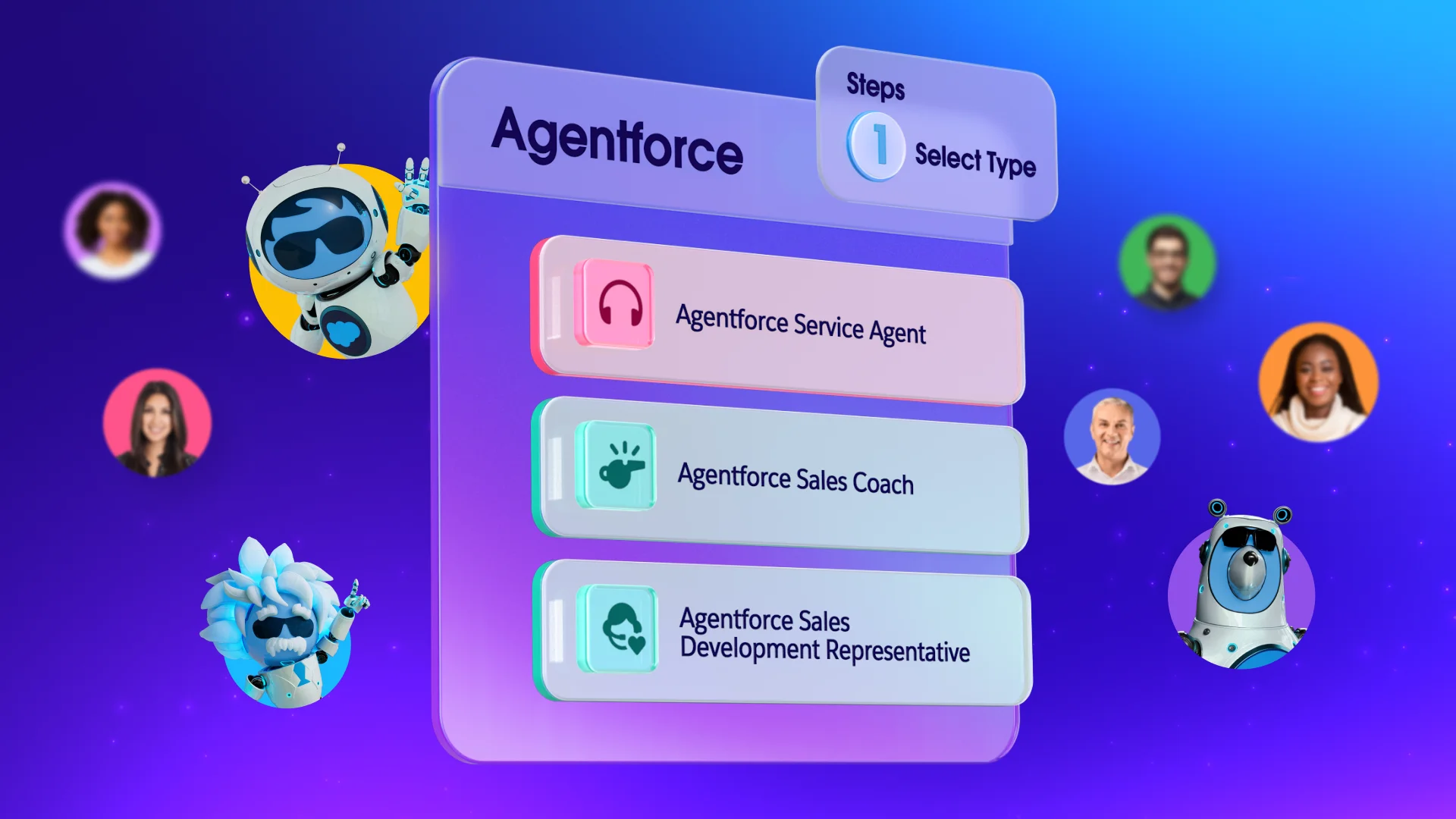
This is also where Agentforce comes in — Salesforce’s AI agents can handle repetitive service requests, follow up on abandoned carts, and keep your CRM data current automatically, freeing you up to focus on sourcing better products and building the brand people associate with them. AI agents can now answer common sizing or shipping questions instantly, flag a frustrated customer before they leave a bad review, and recommend a reorder at exactly the right moment — all without you writing another canned response at midnight.
Get the right systems in place
You don’t need an enterprise budget to run a real brand around a white label product — you need the right systems doing the busywork so you can focus on what makes your store worth returning to.
Get started with Salesforce for free or activate Foundations to try out Agentforce today.
AI supported the writers and editors who created this article.
Is a white label product the same as a private label product?
Not quite. A white label product is typically a generic item sold to multiple retailers who each add their own branding, while a private label product is made exclusively for one retailer under a custom arrangement.
How much does it cost to start selling a white label product?
Costs vary by supplier and minimum order quantities, but white labeling is generally far cheaper than developing a product from scratch since you’re skipping R&D and manufacturing setup. Many small businesses start with a few hundred dollars in initial inventory or a dropshipping arrangement with no inventory at all — see this guide on dropshipping made simple for a low-risk starting point.
Can a white label product actually build brand loyalty?
Yes, but the loyalty comes from your customer experience, packaging, and service, not the product itself. Strong branding and responsive support are what turn a one-time buyer into a repeat customer.
What industries use white label products most?
Supplements, skincare, apparel, coffee, and electronics accessories are common categories, but white labeling also shows up in financial products, software, and even private label groceries.
Is white labeling risky for a small business?
The main risks are thin differentiation and dependence on your supplier’s quality control, since your name is on a product you didn’t make. Choosing a reliable supplier and investing in the parts you do control — brand, service, and customer relationships — helps offset both.