How Cross-Functional Experience Makes a Better Account Executive
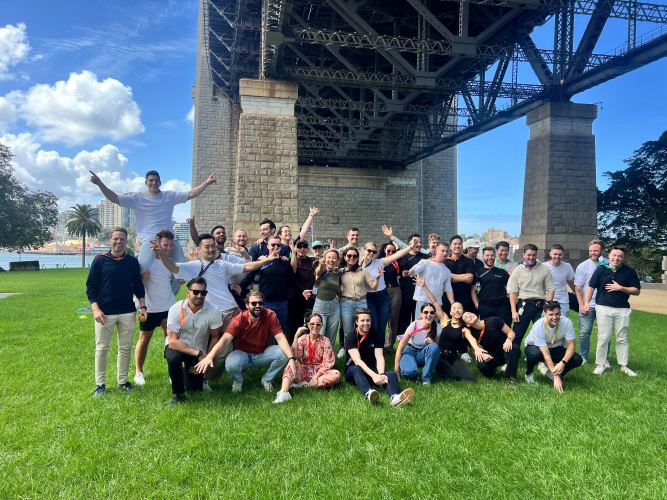


Before stepping into her AE role, Katherine Nguyen worked across business development and customer success — each stop deepening her understanding of what customers actually need.

Key Takeaways
At Salesforce, growth often starts with curiosity.
For Katherine Nguyen, an account executive (AE) in ANZ, it started with wanting to understand how customers think. Why they invest. How they decide. And what actually earns their trust.
Moving across roles gave her a front-row seat to those decisions. Each experience sharpened her instincts and helped her focus on impact rather than targets, deepening her connection to a work culture that values learning and ownership.
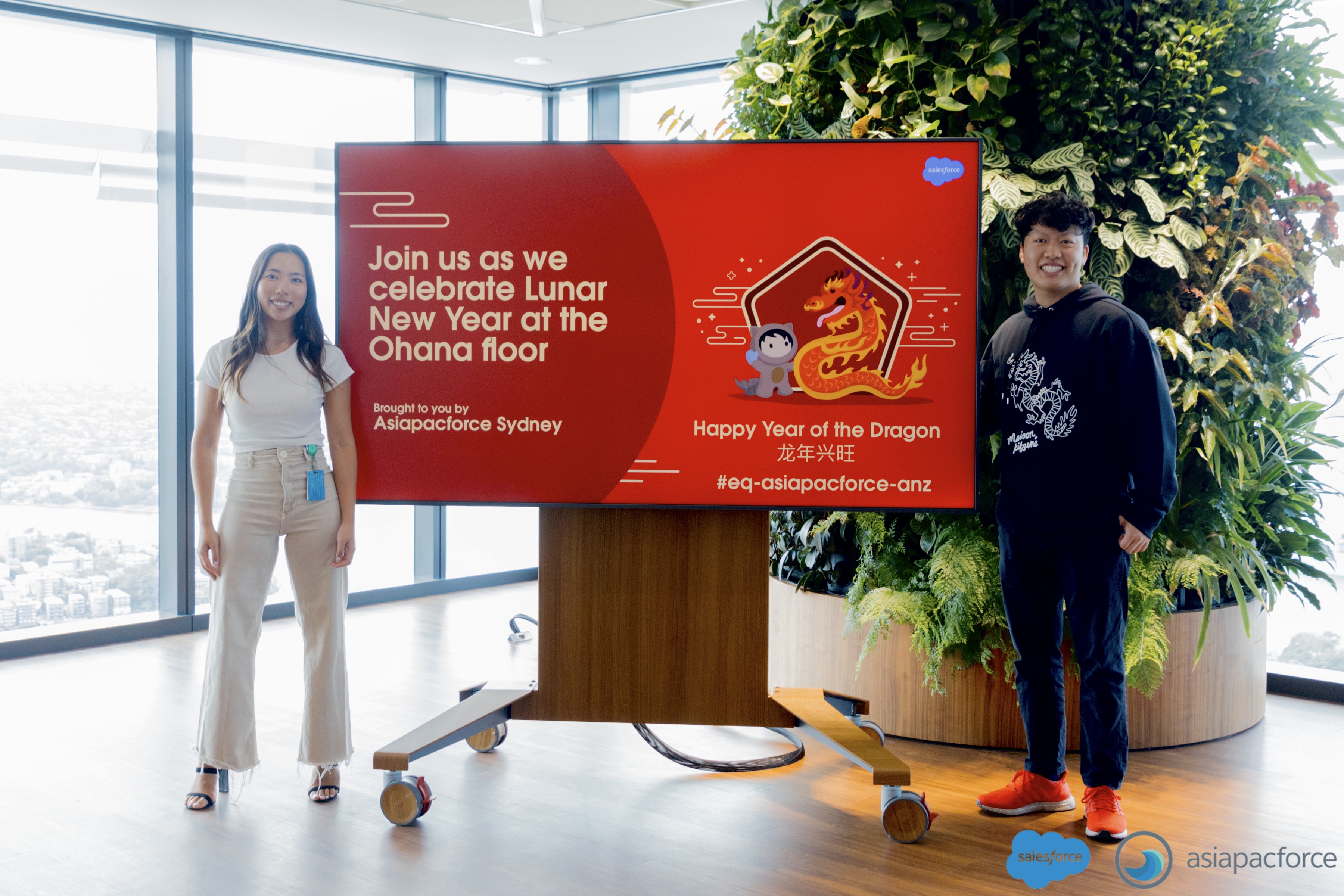
Stronger together. Leading Asiapacforce into the future. Image credit: Katherine Nguyen
Building focus in fast conversations
Katherine started as a business development representative (BDR), where she quickly learned that clarity matters more than anything else.
“On a call,” Katherine shared, “the first 10 seconds are your best chance to earn another 30 seconds of their time.”
That mindset changed how she approached every conversation. She learned to think quickly to pick up on what mattered to the customer, and adjust her message in the moment. Over time, those early calls became a kind of training ground, helping her listen more closely and adapt readily without hesitation.
Salesforce backed that growth with structured training, close coaching, and ongoing exposure to real customer conversations. The support system helped her build confidence and sharpen her message, turning repetition into real capability.
Viewing Salesforce through the customer’s eyes
After her time in business development, Katherine began thinking about the next step in her career. Rather than moving directly into sales, she was curious about what happened once a deal was signed.
“I wanted to see what it was like on the other side of a Salesforce contract,” she said. That curiosity led her to the Customer Success team, where she supported commercial customers across ANZ.
The shift proved pivotal. Working closely with customers and staying aligned to their strategy and project plans helped Katherine understand what it really takes to make a technology investment work. She saw how important it is to ask the right questions, stay aligned, and ensure what was sold truly fits the business.
“Signing the contract is just the beginning,” Katherine said. “That’s when we have to work our best to showcase value and act as a true partner to the customer.”
That perspective continues to shape how she approaches sales today. She now looks at every opportunity through a long-term lens, focusing on outcomes and relationships that extend well beyond the deal itself.
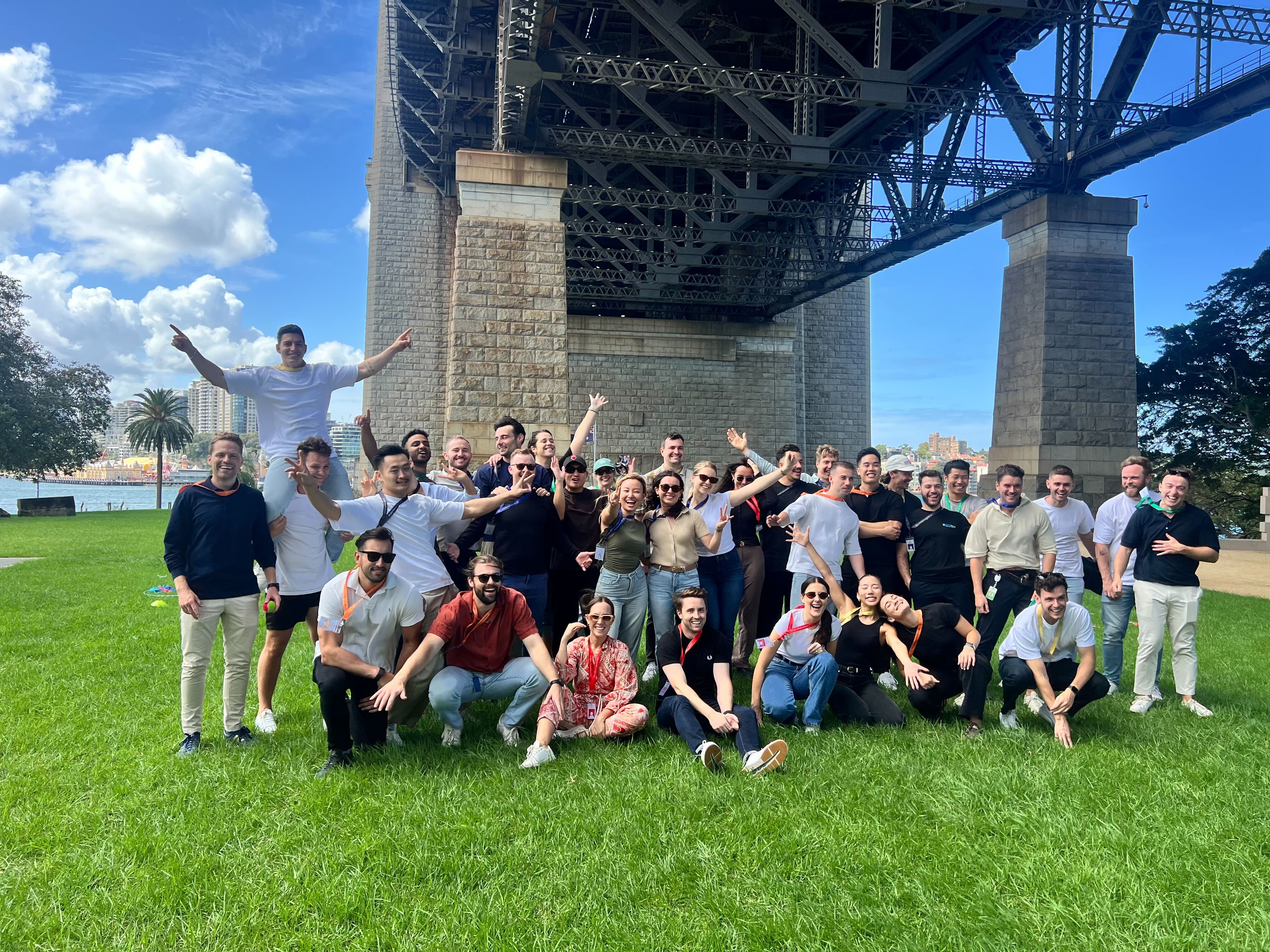
Katherine and her team of SMB AEs are all smiles after a team outing. Image credit: Katherine Nguyen
Understanding risk before proposing solutions
In her current role as an account executive, Katherine partners with small and medium-sized businesses (SMB) across ANZ, many of them founder-led and deeply invested in their own growth.
“A lot of these businesses are self-funded,” she said. “Every dollar that they spend, they need two dollars back.”
When the stakes are that personal, technology is not a line item; it is a bet on the future of the business.
So before proposing any solution, Katherine takes time to understand how the company actually operates. Where does revenue come from? What pressures are building? What risks keep leadership up at night? Having learned that moving quickly means little if the foundation is not clear, she believes a well-aligned recommendation will always outperform a rushed one.
That approach reflects something broader at Salesforce. Customer Success is more than a function; it is a value that shapes how work gets done. Teams are expected to look past the immediate deal and consider what adoption will look like, what impact will be measurable, and whether the solution will hold up over time.
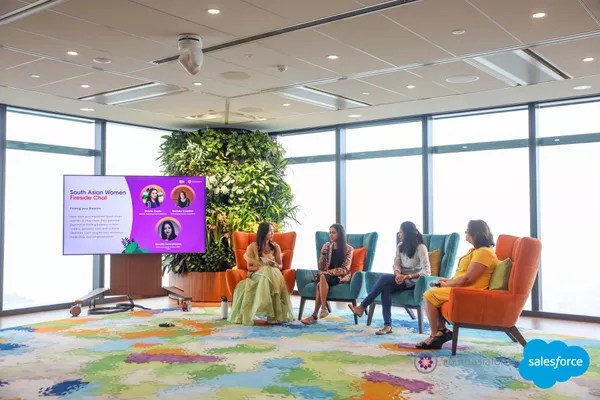
Katherine hosts a Fireside Chat at the Salesforce Tower in celebration of Diwali. Image credit: Katherine Nguyen
That philosophy became especially important when Katherine inherited an account that was struggling to see value from the platform. Adoption was uneven. Frustration had started to surface. Expectations were no longer aligned.
But rather than jumping straight to a fix, she paused.
“I took a step back and created a safe space for them to speak up and voice all their issues. And I just sat there and listened,” she said.
What followed was a practical and structured plan. Together, they agreed on regular cadences and monthly check-ins to keep the project on track. Questions were addressed early instead of being delayed. The team stayed closer to the customer’s day-to-day priorities.
Over time, the relationship stabilized. The customer began seeing clearer value from the platform and eventually became a strong Salesforce champion, even looking to expand their product suite.
Leading with Questions: How One Salesforce AE Uses Curiosity to Solve Customer Challenges in Sydney
Being encouraged to move, not stay put
That emphasis on long-term success is not limited to customers. It extends to employees as well, and Katherine experienced that early in her career at Salesforce.
As she began thinking about what might come next, she had an open conversation with her manager about her future, a discussion not framed around short-term performance, but on her long-term growth.
“You don’t have to be on my team forever,” her manager told her. “The whole point is for you to grow and continue to challenge yourself.”
For Katherine, it signaled a kind of encouragement that set Salesforce apart, one that reflects a broader culture where growth is openly supported and help is always available.
“You can just turn your chair around to the person next to you and ask a question,” she said. “They’re always there to support you.”
And that support does not end with people. It carries into how the work itself is set up. From onboarding programs to systems that simplify everyday tasks, the environment is designed to remove unnecessary friction. Take the example of Agentforce. It streamlines routine tasks and surfaces key insights, allowing her to engage customers with greater clarity and preparation.
Using Agentforce to focus on what matters
When Agentforce was first introduced, Katherine was curious but cautious. With an already full workload, her first question was a practical one: how easy would it be to adopt something new without adding complexity to her day?
The answer came quickly. Agentforce became part of her workflow almost naturally, taking care of tasks like summarizing conversations, preparing follow-ups, and pulling together account context. The impact was immediate. Time once spent on manual work could now be redirected elsewhere. Her productivity improved and she found herself closing deals faster with more confidence than ever.
That shift also changed how she prepared for conversations. With better context and more space to think, Katherine gained time for what matters most: understanding customers and having more focused, productive discussions.
Learn more about how AEs use Agentforce and Slackbot to close better deals: The Salesforce AI Sales Playbook: Better Conversations, Bigger Deals
Building partnerships that last
For Katherine, growth at Salesforce has been about staying curious, supported, and open to what comes next.
As ways of selling continue to evolve, she believes this mindset matters even more today. With AI and tools like Agentforce and Slackbot taking over much of the administrative work, she finds her role becoming more human, creating space for real conversations, sharper judgment, and stronger partnerships. It is a shift Katherine has experienced herself, and one she believes will define the future of selling.
Want to work in a place where technology makes selling more human? Explore open roles at Salesforce and stay connected through our Talent Community!
Blaze your trail to Salesforce!
At Salesforce, we’re not just shaping the future. We’re turning big ideas into breakthroughs. Want to join the #1 AI CRM that’s leading the digital labor revolution? Explore our open roles today!