TDX 2027 Call for Participation Is Open: How to Submit Your Architect Session


The TDX 2027 Call for Participation is open. Learn what we're looking for in architect sessions and how to submit your proposal.


The TDX 2027 Call for Participation (CFP) is officially open. Submit your session proposal by 5:00 p.m. PT on November 16, 2026 for an opportunity to share your expertise at one of the leading events for the global Salesforce Architect Community.
TDX brings together thousands of technical professionals to explore the latest innovations across enterprise AI. Showcase your expertise through technical deep dives, architecture patterns, and real-world designs that extend Salesforce capabilities across technologies and systems.
We’re looking for compelling sessions for the architect audience that educate and inspire through technical deep dives, architecture patterns, real-world designs, and practical insights. Whether you’re an experienced speaker or submitting for the first time, this guidance will help you prepare a strong proposal for TDX 2027.
The TDX 2027 CFP is open from October 28, 2026 until November 16, 2026.
What architects want to see at TDX 2027
Architects value authentic, practical content that goes beyond high-level concepts. The highest-rated sessions explore real-world implementations, architecture decisions, trade-offs, and lessons learned. They highlight innovative solutions and practical approaches that attendees could apply to their own environments.
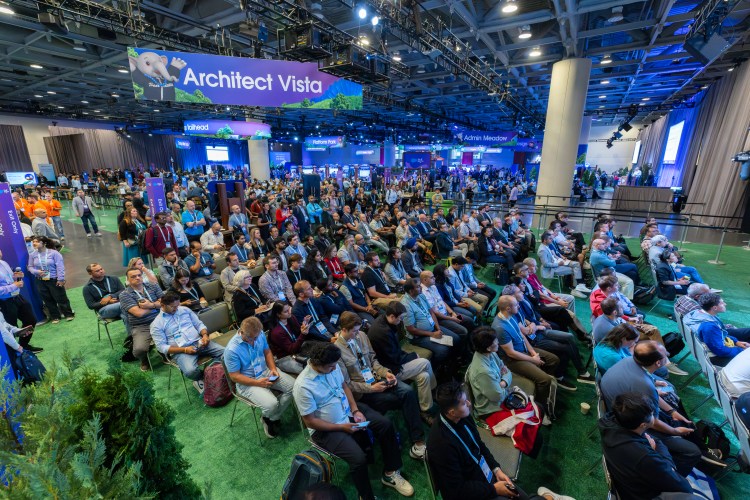
Interactivity also plays an important role. In the Architect Vista, live diagramming on the lightboard and audience discussions brings architecture concepts to life, giving attendees a closer look at design decisions and how solutions take shape in real time.
Choose your TDX 2027 session format
When submitting your proposal, you can choose from three formats based on your session topic and goals:
- Breakout Sessions (40 minutes): Held in dedicated rooms, this longer format gives presenters ample time for deep technical dives. We recommend 35 minutes for presentation delivery, and five minutes for live Q&A. Up to three presenters may deliver a breakout.
- Theater Sessions (20 minutes): Fast-paced presentations in a high-energy, open theater space. Ideal for quick technical solutions, live demos, career lessons, or thought leadership. There’s no audience Q&A during the session, but speakers will have opportunities to engage with attendee questions in a separate space afterward. Maximum of two presenters.
- Community Networking (45 minutes): Community-led networking and peer-learning workshops. Think guided discussions where Trailblazers share challenges, ideas, and perspectives across roles and career stages.
Prepare a strong architect session proposal
A strong proposal clearly communicates the technical value attendees will gain from your session. As you prepare your submission for the TDX 2027 Architect Track, follow these best practices for writing and structuring your proposal.
Use the topic suggestions as inspiration, not a checklist. Focus on a specific architecture challenge with a clear point of view rather than trying to cover everything.
- Create a clear, compelling title: Start with a strong verb and name the relevant product or technology (e.g., Build, Explore, Integrate, Design). Make it easy for attendees to understand what they’ll learn.
- Write a clear, actionable abstract: Outline the technical challenge, your proposed solution, and the key takeaways attendees can expect. Think of your abstract as a preview of the technical content you’ll cover.
- Explore agentic architecture: Go beyond what agents can do to explain how you design, connect, and govern them. For example, how you balance deterministic and probabilistic workflows when designing agent behavior, how you orchestrate agents and give them access to data, or how you apply guardrails and observability to keep them accountable. Explain the trade-offs behind each decision.
- Connect emerging technologies with Salesforce innovations: Explore how new technologies and industry trends intersect with Salesforce architecture. For example, demonstrate how MCP enables agents to interact with Salesforce data and capabilities, or how headless architectures extend Salesforce functionality across systems.
- Prioritize depth over breadth: Rather than covering the entire Salesforce Platform in 40 minutes, explore a focused architecture challenge in detail. Topics such as Data 360 integration patterns, headless architecture, or agent governance give you room to explain technical decisions and implementation considerations.
- Share real-world experience: Highlight practical implementations, lessons learned, and innovative approaches to solving architecture challenges. New capabilities in pilot or beta can make compelling topics, but creative applications of established technologies can be just as valuable.
- Explore cross-cloud and connected architectures: Demonstrate how Salesforce technologies work together and integrate with external systems to solve real business challenges. Consider examples that connect Agentforce, Data 360, Slack, MuleSoft, or other technologies.
- Show what you’ve built, not just what a product does: Focus on real implementations rather than feature overviews or product pitches. Explain your architecture, the decisions behind it, the challenges you encountered, and what you learned.
- Highlight practical examples: Describe how you’ll support your session with architecture diagrams, live demonstrations, integration patterns, or other technical resources that help attendees understand and apply the concepts.
- Choose the right session format: Consider a 20-minute theater session for a focused technical demonstration or a 40-minute breakout for a deeper exploration of architecture patterns, implementation approaches, or governance considerations, with time for Q&A.
A note on AI-generated content: AI tools can help you brainstorm and refine your session proposal, but make sure your title, abstract, and content outline reflect your own expertise and experience. Avoid overly dramatic, verbose, or generic language, and focus on clear, direct messaging that helps attendees understand exactly what they’ll learn and take away from your session.
What to avoid in your session proposal
Based on our experience reviewing previous CFP submissions, here are some common pitfalls to avoid:
- Marketing content and product pitches: Keep your session technical and focused on what architects can design, build, and apply today rather than sales messaging or product roadmaps.
- Company-focused presentations: Real-world experiences are valuable, but focus on the architecture patterns, decisions, and lessons others can apply rather than your organization’s story.
- Broad or generic topics: Instead of a title like “Introduction to Agentforce,” identify a specific architecture challenge, pattern, or technical outcome.
- Abstracts without clear technical value: Explain the architecture you’ll explore, what attendees will see, and what they’ll be able to apply afterward.
- Outdated product terminology: Review your proposal to ensure you’re using the latest Salesforce product names.
- Non-technical or personal experience topics: These may be better suited for other event tracks, such as the Community Networking format. Keep architect proposals focused on technical architecture content.
Final checklist before you submit
Before submitting your TDX 2027 session proposal, review these best practices:
- Keep your title concise: Write a title within 60 characters that clearly communicates the session’s outcome. Example: Apply Architecture Patterns for Multi-Agent Governance
- Make your abstract count: In 120 characters or fewer, clearly communicate the architecture challenge and what attendees will learn or be able to apply. Example: Discover architecture patterns for governing multi-agent AI systems. Learn approaches for orchestration, trust, escalation, observability, and secure Agent2Agent collaboration at enterprise scale.
- Identify three key takeaways: Be specific about the architecture patterns, frameworks, products, or tools you’ll cover. Example: Bounded autonomy ensures agents operate within clearly defined governance boundaries, leveraging identity, policy, and authorization layers to prevent unauthorized actions.
- Highlight your experience: Include a brief speaker bio that demonstrates your expertise through previous presentations, community contributions, published architecture content, or certifications.
- Consider multiple submissions: You can submit up to three session ideas. Explore different topics or approaches that highlight your technical expertise.
- Get a second opinion: Ask a peer to review your proposal for clarity, technical relevance, and actionable takeaways.
Ready to submit your proposal?
Review the CFP FAQ before you begin to understand the submission requirements and prepare your responses.
Submit your proposal by 5:00 p.m. PT on November 16, 2026. Bring your best architecture solutions, experiences, and insights to TDX 2027. We look forward to working with you to create valuable content that inspires and educates the architect community long after the event.