

Key Takeaways
Imagine a potential buyer landing on your website, excited to find a solution, only to be met with dozens of nearly identical options. Then, overwhelmed and stumped, they click away. What happened? You might have offered too much, too fast.
For many small and medium business (SMB) owners, offering more variety feels like the best way to grow, but it often leads to a phenomenon known as customer analysis paralysis. When faced with too many choices or complex information, the human brain tends to freeze, often resulting in a lost sale as the shopper walks away to avoid the stress of making the wrong choice.
Your startup depends on momentum, and every stalled transaction is a missed opportunity for building a long-term relationship. The goal is to move from a place of overwhelming data to a place of actionable insight where you can lead your audience toward the right product. This article explores how to simplify your offerings and use technology to clear the path for your buyers.
What customer analysis paralysis looks like
What’s the difference between a customer weighing their options, and being weighed down by the options? Here are five signs to watch out for.
1. Multiple website visits without action
If your analytics show a single user returning to the same product page five or six times over a week without adding it to their cart, they are likely stuck. They want the product, but they are stuck in a loop of weighing pros and cons or looking for a “perfect” sign to commit.
By using a modern customer relationship management (CRM) platform, you can organize your marketing efforts across your business. In fact, you can use CRM to combat analysis paralysis by managing and organizing your customers, partners and team. More to come on that.
2. Cart swapping
Standard cart abandonment happens for many reasons (like shipping costs), but analysis paralysis is often signaled by something called cart swapping. This is when a customer adds one item to their cart, deletes it in favor of another item that is very similar, adds the first item back again – only to leave your site entirely.
Small business service at your fingertips


3. High engagement with comparison content
When customers spend a disproportionate amount of time on “Compare” pages, spec sheets, or FAQs, they are searching for a tie-breaker. If they’re constantly toggling between two very similar services or products, it means your current messaging isn’t clearly articulating the unique value proposition of each choice.
4. Over-communication and “what if” questions
A customer experiencing analysis paralysis often reaches out to customer support or via direct message with highly specific, edge-case questions, like “Would this 5oz candle be better for a 10×10 room or a 12×12 room?” or “What happens if I want to upgrade in 18 months instead of 24?” These questions aren’t usually about the information itself; they are a subconscious attempt to offload the responsibility of the decision onto you.
5. Hesitation based on fear of better options (FOBO)
Customers may express worry that if they buy now, a better version or a better deal is just around the corner. This fear of better options (FOBO) keeps them in a state of perpetual waiting. They aren’t looking for the best solution; they’re trying to avoid the wrong one.
Understand the roots of customer analysis paralysis
The psychological weight of making a choice can be heavy for a new buyer who doesn’t yet trust your brand. When every single feature or service tier is presented at once, the sheer volume of information creates paralysis, because the value proposition gets buried.
To combat this, your sales team should focus on curated experiences rather than exhaustive catalogs. By using your CRM to track which items a lead has viewed, you can narrow down the selection to three or four items that truly fit your customer’s profile. This targeted approach reduces mental effort for the buyer and makes the decision-making process feel like a helpful conversation rather than a stressful chore. Here’s how to do it:
- Limit or guide choices: Presenting a “best seller” or “staff pick” can help guide a confused shopper.
- Highlight benefits: Focus on the outcome the user will achieve, rather than technical specifications.
- Social proof: Include social media reviews that specifically mention how a product solved a problem similar to theirs.
- Clear comparisons: Use simple tables to show the differences between your top two tiers.
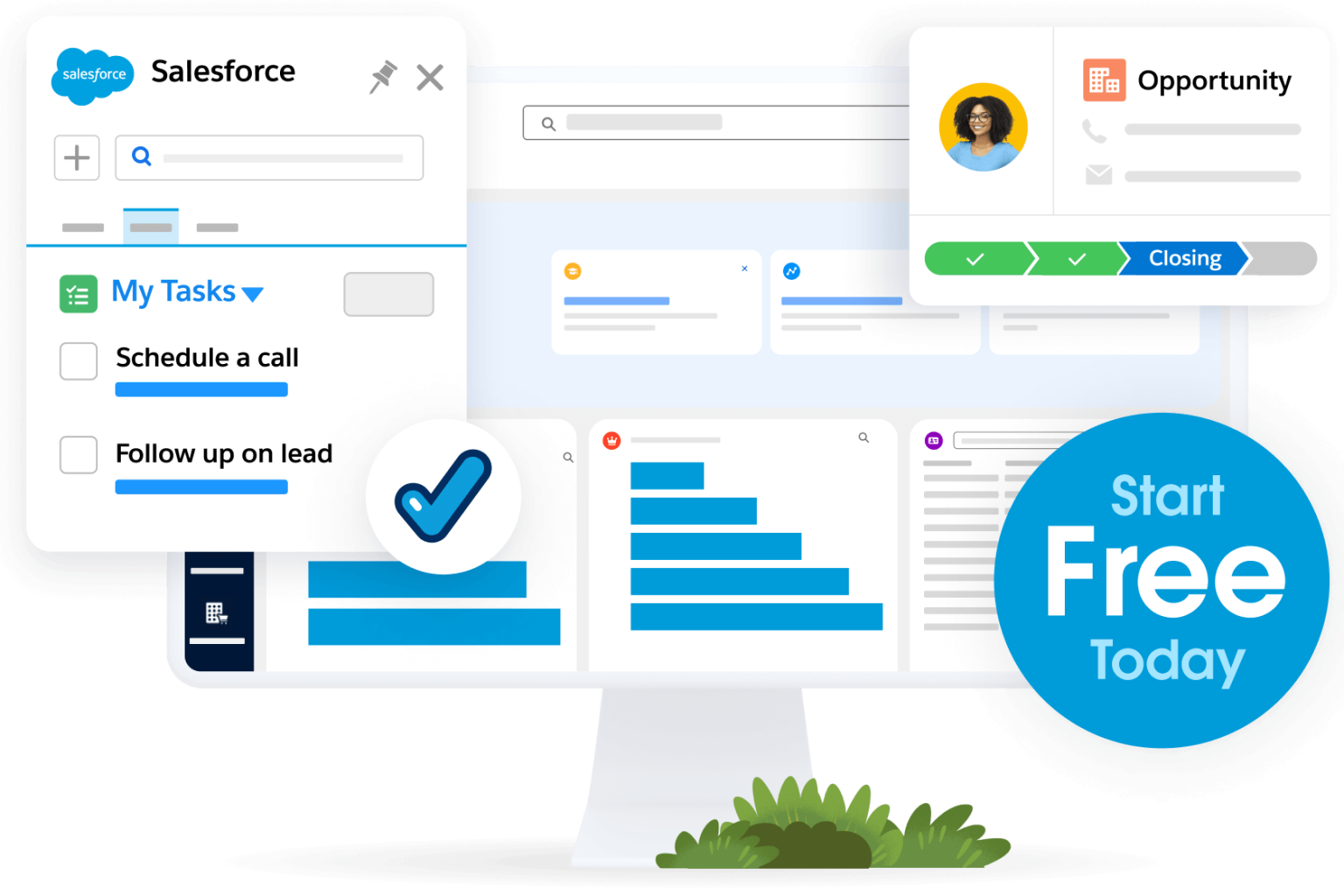
Get Salesforce. FREE for small businesses.
Connect sales, service, and analytics on one platform. Save time, stay organized, and fuel growth with the CRM that scales for small teams.
Simplify the journey with AI
Artificial intelligence (AI) lets even the smallest teams level up their game. By implementing it alongside your commerce and service teams, you can provide instant clarity to those experiencing analysis paralysis. According to recent data, 81% of customers expect faster service as technology advances, and autonomous tools are the most effective way to meet that demand without hiring a massive support staff.
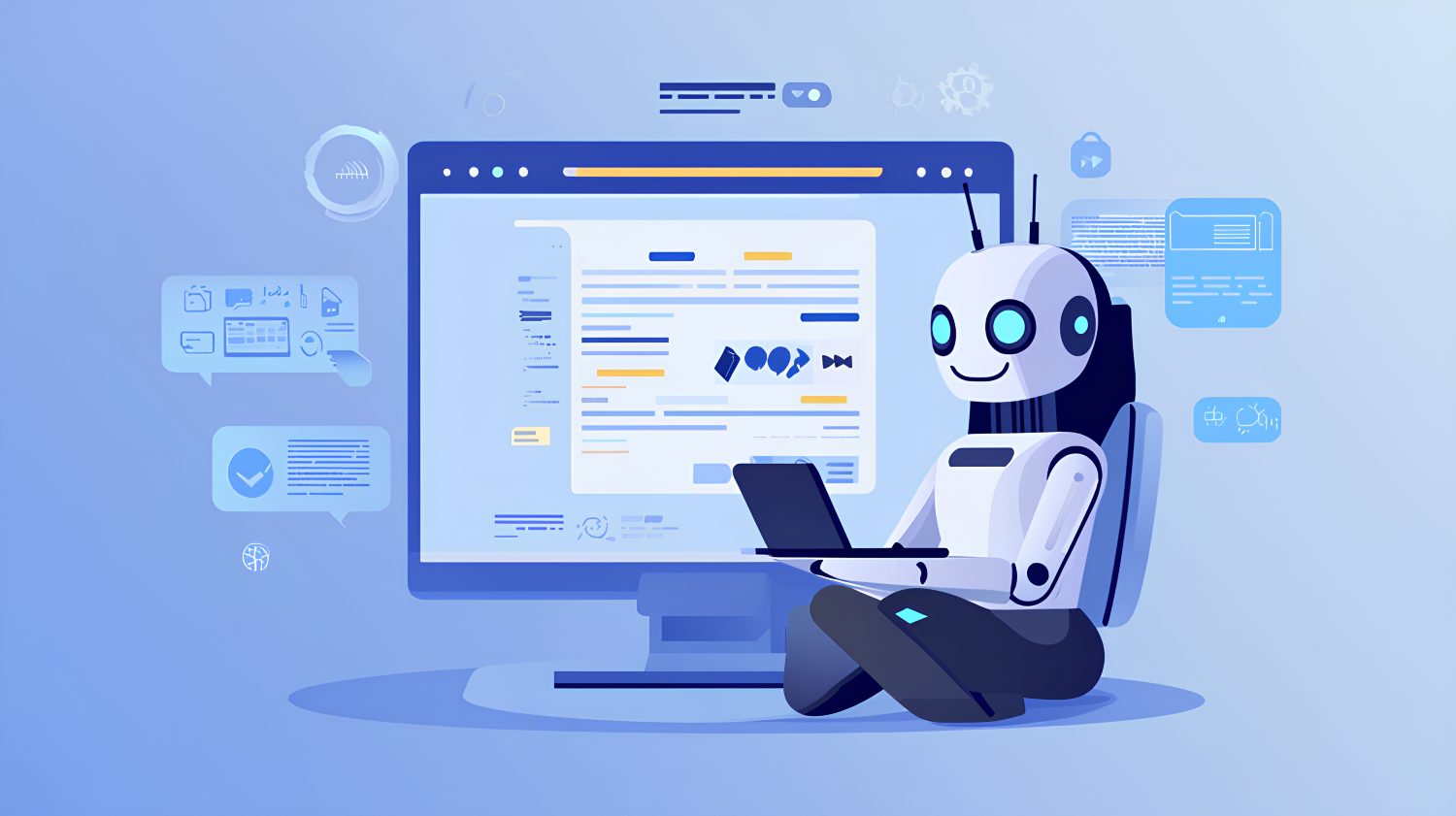
AI agents also provide an extra set of hands to simplify the customer experience. Agentforce 360, Salesforce’s AI agent development platform, lets businesses build their own agents, either from a template or from scratch. These AI agents can act as digital teammates that can explain complex product differences and answer specific questions at any hour. This ensures that if a customer is stuck between two options at midnight, they don’t have to wait until morning to get an answer — they get the confidence they need to click “buy” immediately. Agentforce 360 uses your internal knowledge base to provide accurate, brand-aligned responses that keep the sales funnel moving. Here’s how AI agents can help solve analysis paralysis:
- Proactive engagement: Have your AI agent reach out if a user spends a long time on a single page.
- Natural language: Let customers ask questions in their own words rather than forcing them through rigid menus.
- Knowledge sharing: Ensure your agent has access to your latest product guides and return policies.
- Seamless handoffs: If a query becomes too complex, Agentforce 360 can route the conversation to a human agent.
Seeing is believing. Try Salesforce for free with a 30 day trial.
See how small businesses are using Salesforce CRM to scale fast. No credit card required, no software to install. It all starts with Starter Suite.
Thank you!
Try for freeUse data to solve the paralysis loop
Your business’s ability to drive conversions is directly tied to how well your internal tools talk to each other. For a truly smooth customer experience, your CRM, payment processors, and fulfillment apps must work together flawlessly. If these systems operate in silos, it will probably lead to a disjointed and frustrating experience for the customer, resulting in the analysis paralysis you’re trying to fight in the first place.
This means taking a close look at key performance indicators (KPIs) to identify points of friction. For example, if your ecommerce strategy is flailing, dive into the data to find why customers are disengaging. A red flag is a high cart abandonment rate on a specific page. These moments can paralyze a customer into thinking they’ve made the wrong choice. Once you know where this is happening, you can fix it.
For marketing campaigns, if a prospect has clicked on a specific blog post call to action (CTA) three times, the marketing team can send a personalized email with a direct link to the most relevant solution. This replaces the broad marketing email with a customized recommendation that cuts through the noise (and ends customer analysis paralysis).
Unify your customer data with Data 360
Level up your business by transforming scattered data into actionable insights.


Quick resources and tools to try
Trailhead: Small Business Success: A curated trail mix to help small business owners learn how to leverage Salesforce for growth. Link to Trailhead Module: Small Business Success
Trailhead: Small Business Reports and Dashboards: Learn how to use Salesforce reporting features to gain valuable insights into your sales, service, and marketing data. Link to Trailhead Module: Small Business Reports and Dashboards
Report: State of Small Business Trends: An annual report from Salesforce that highlights key challenges, opportunities, and digital adoption trends among small businesses. Link to Latest State of Small Business Trends Report
Resource: Salesforce for Small Business Blog: The main resource hub with expert information, customer stories, and small business success guides. Link to Salesforce for Small Business Blog
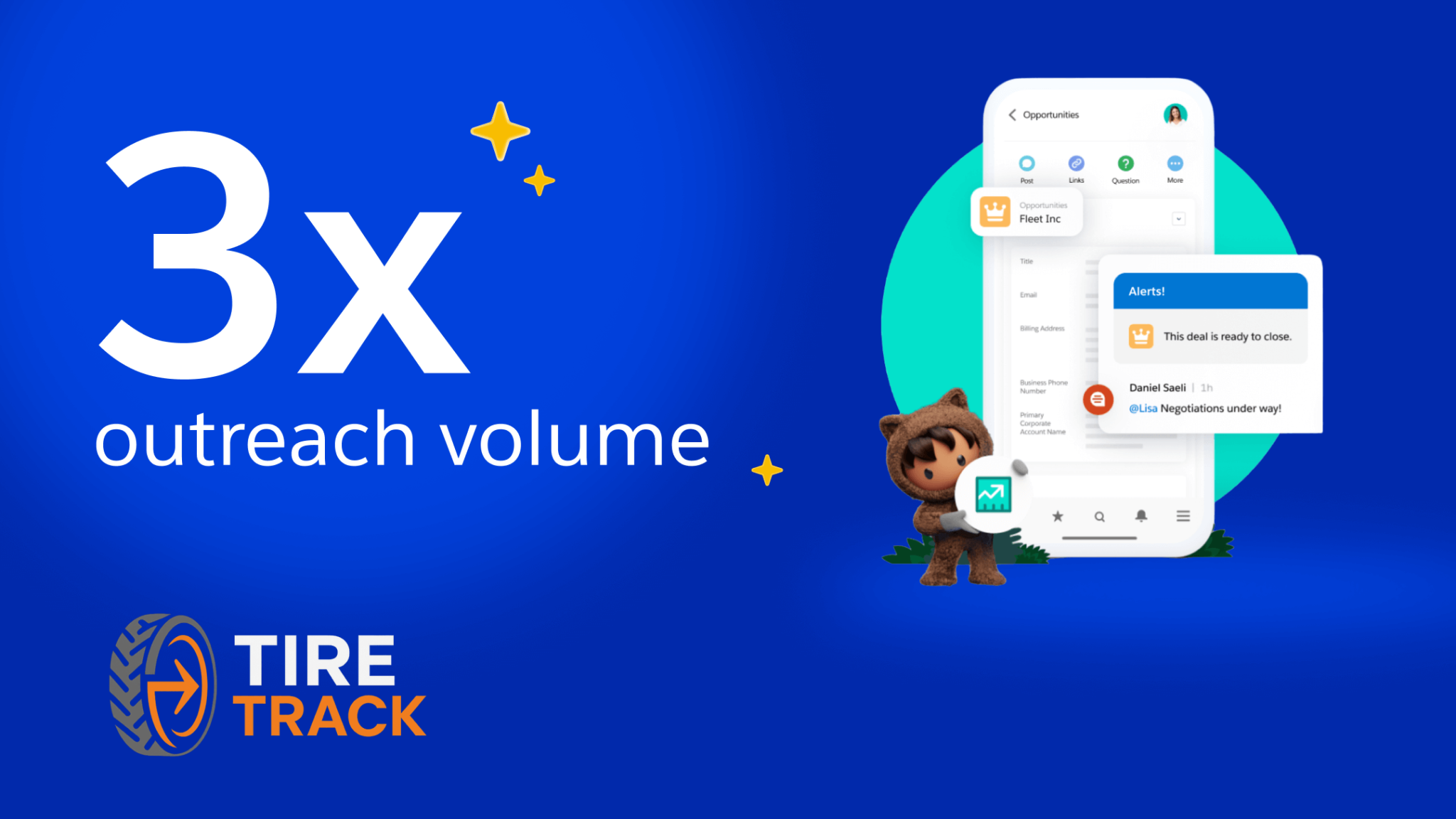
TireTrack tripled sales outreach with Salesforce CRM
See how Free Suite helped TireTrack triple sales outreach capabilities.
Solve customer analysis paralysis with Salesforce CRM
When you simplify the buying journey, your customers feel respected and confident in their choice, which is the foundation of repeat business. The ultimate goal is not just to make a sale, but to create a positive, frictionless customer experience that builds lasting loyalty.
By recognizing the signs of customer analysis paralysis, from cart swapping to over-communication, you can deploy targeted solutions. Integrating a platform like Salesforce gives you the necessary data and AI tools to proactively guide customers with curated options, instant answers, and a clear path to purchase.
Start your journey with the Free or Starter Suite today. Looking for more customization? Explore Pro Suite. Already a Salesforce customer? Activate Foundations to try out Agentforce 360 today.
AI supported the writers and editors who created this article.
Frequently Asked Questions (FAQs)
Customer analysis paralysis is the state of overthinking a purchasing decision to the point where no action is taken, usually caused by too many options or unclear positioning that does not demonstrate the true value of a product.
A CRM tracks customer preferences and past interactions, allowing the business to suggest only the most relevant products or services, without overwhelming them.
Yes, AI tools like Agentforce 360 provide instant answers to product questions, removing the uncertainty that often causes a buyer to stall — and also freeing up your team to investigate these points of friction.
While variety seems good, it can overwhelm a buyer’s brain, leading to decision fatigue and making them more likely to leave the site without buying anything.
The best way is to use clear, benefit-focused language and provide a “recommended” or “starter” option to give the buyer a logical place to begin.