
Key Takeaways
Some of the most memorable marketing moments don’t come from flashy ads or expensive media buys these days. The truth is, people are bombarded by marketing left and right and are now tuning out of traditional ads, skipping them without a second thought. But they may still remember the park bench that turned into a branded pop-up, or the coffee cup that kicked off a QR code scavenger hunt. These marketing moments create experiences.
Not every small and medium-sized business (SMB) can afford a billboard or a nationwide campaign. But you don’t need all that to stand out. You can create a moment that makes people stop, smile, and maybe even tell a friend. This blog will walk you through what guerrilla marketing means today and how to bring this creative approach to life.
What is guerrilla marketing?
Guerrilla marketing is a way of promoting a product or business by using creative and unexpected tactics that grab people’s attention in everyday places. It focuses on surprising and delighting people with something different. The core idea is to connect with your audience in a personal and memorable way.
Over time, guerrilla marketing has changed a lot. It started with bold stunts and eye-catching public displays. Today, it includes clever digital tricks and social media moments that spread quickly online. Businesses combine real-world surprises with online sharing to reach even more people.
The key is blending creativity with societal channels, whether that’s on the street or on their phones. For example, when Apple launched its AirPods, they filled city walls and billboards with simple, striking visuals of people dancing. They amplified that creative offline moment with digital ads and social campaigns using the same look and feel. It was simple, unexpected, and instantly shareable.
Guerrilla marketing is very different from traditional marketing. Traditional marketing usually relies on paid ads on TV, radio, or big billboards. It’s often about pushing a message out to as many people as possible. Guerrilla marketing is more about creating a connection. It focuses on engaging people in a way that feels natural and fun.
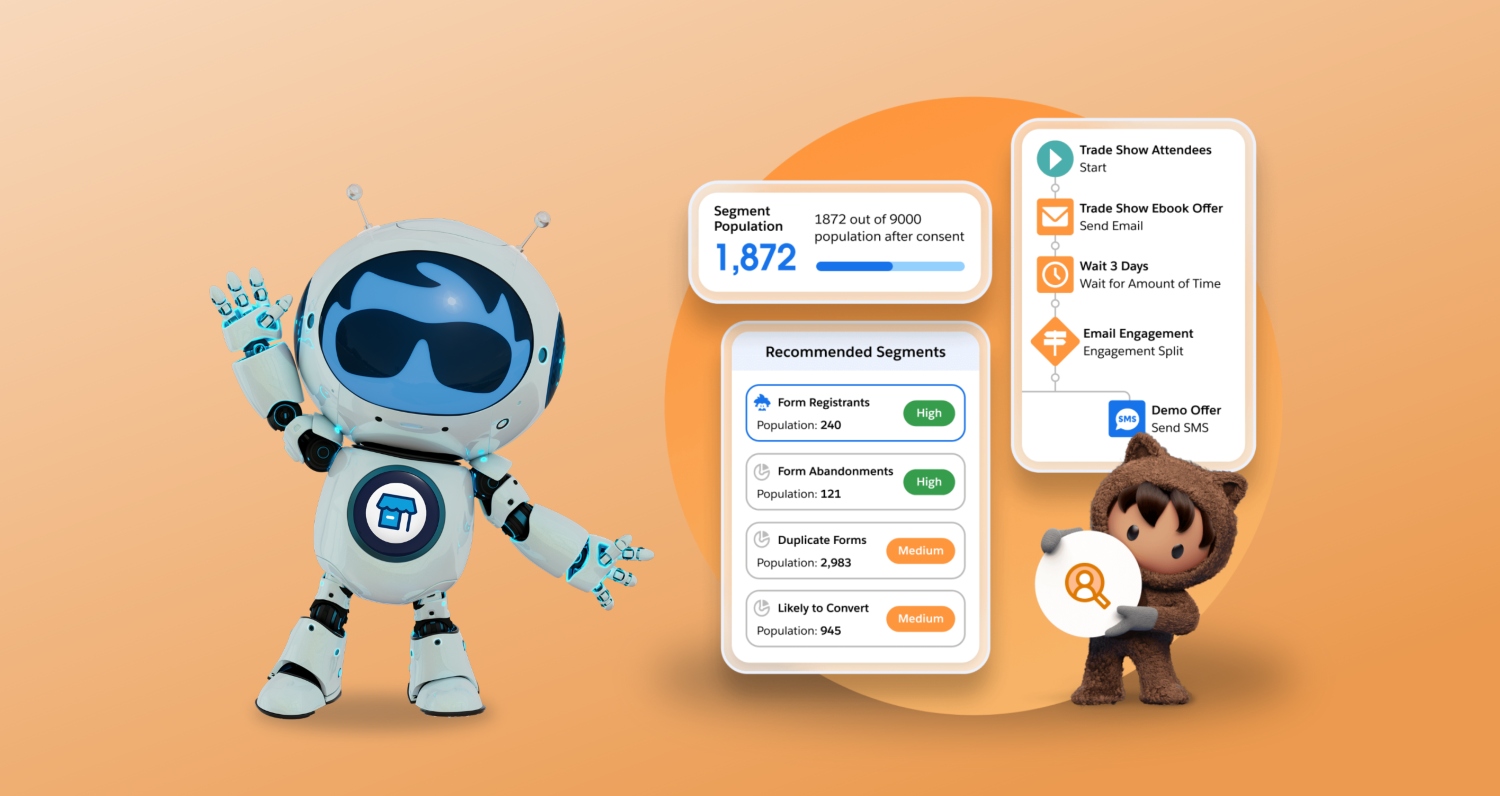
Market your SMB with Salesforce AI


Types of guerrilla marketing
Guerrilla marketing uses different styles depending on the message, the place, and the audience. Here are some common types that you might see or want to try for your own business.
Ambient marketing
Ambient marketing means placing your message in unexpected, everyday settings to grab attention. It’s about using the physical environment (like public spaces or objects people interact with) as a creative canvas.
Think about everyday things that suddenly look different or have unique messages on them. For example, a city bus might be wrapped with a famous character or a coffee cup could have a fun message printed on it. The idea is to turn familiar spots into something surprising and memorable. This type of local marketing fits right into people’s daily routines without feeling pushy.
Experiential marketing
Experiential marketing is all about creating an experience for people to enjoy. It invites people to try your product out or be part of something exciting. It could be a sample giveaway or a creative workshop. When people get involved, they feel more connected to the brand. This kind of marketing builds genuine trust and leaves a stronger impression because it feels personal and fun.
Ambush marketing
Ambush marketing happens when a brand jumps into a big event or moment without officially sponsoring it. The goal is to get attention by being where people are already focused.
For example, a company might hand out free samples or put up signs near a big sports game, even if they aren’t an official sponsor. Or they might organize a flash mob in a busy public area during a major festival, turning heads and creating a moment that gets captured and shared online. It’s a clever way to reach a large audience without paying big sponsorship fees. However, messaging should not imply official involvement, and you must avoid using trademarked logos or slogans that could lead to legal issues or audience backlash.
Viral or buzz marketing
Viral marketing aims to create something so interesting or funny that people want to share it with others — a lot. This method often uses social media to spread quickly — like wildfire. A reel, meme, or challenge can catch on and reach millions in a short time. The key is to make content that feels genuine and easy to share.
Viral marketing is powerful because it relies on people to do the advertising for you by sharing with friends and followers. The upside? It’s affordable and can generate massive reach with little spend. The downside? It’s unpredictable and can fizzle out quickly if the content doesn’t hit the mark.
Time to take your social media to the next level
Learn how to create a winning strategy that’s scalable, up-to-date, and designed for success in this free social media marketing guide.



Why guerrilla marketing works
People are overwhelmed by ads every day. So when something unexpected shows up in the real world or online, it feels different. It makes people stop. Here are some key benefits of guerrilla marketing and why it really works:
- It’s memorable: Guerrilla marketing works because it speaks to people’s emotions. A surprising or thoughtful moment can make someone stop, feel something, and remember your brand.
- It’s cost-effective: A clever idea placed in the right spot at the right time can get more attention than a pricey ad campaign. This makes it especially useful for small businesses and startups who want to stand out, without spending much.
- It’s shareable: If something wows the audience, they’re more likely to share it with friends or post about it online. That ripple effect can take a local idea and turn it into something much bigger.
- It’s relatable: Great guerrilla marketing speaks to people, not at them. It can create relatable joy, excitement, or even nostalgia. When people feel connected to your message, they’re more likely to remember your brand in a positive way.
Why invest in guerrilla marketing?
Guerrilla marketing has become a go-to move for businesses that want to stand out without spending big. It’s a smart way to grab attention and grow your brand in a more creative and personal way. Here’s why it’s worth the effort.
Get people engaged
Social media or paid advertisements often get skipped or ignored because of the sheer amount nowadays. But guerrilla marketing is hard to ignore. When people come across something clever out in the real world, they stop and pay attention, and that moment can turn into a conversation or a post online. These small moments can lead to big engagement. When done well, it feels less like a campaign and more like a shared experience.
Help your brand reach the masses
Creative ideas tend to travel. A clever campaign on the street or in a local cafe can make its way onto social media, reaching people far beyond your neighborhood. For instance, short-form videos (like those capturing guerrilla marketing stunts) are 40% more likely to be shared on social media compared to other content types.
And, posts that garner 10 or more comments can experience up to a 194% increase in engagement. This kind of organic reach helps you get noticed without needing to pour money into ads.
Show the world who you really are
Guerrilla marketing gives your brand a personality. It’s a chance to show what you care about and what you do in a unique way. When you do something bold or clever in the real world, it tells people you’re creative and willing to try something different. Over time, these actions help shape your brand identity in a memorable way.
Boost sales and grow your audience
At the end of the day, creative marketing helps drive real results. When more people are talking about your brand and sharing it with others, that can lead to more interest in your product or service. With greater visibility comes more traffic and more chances to convert curiosity into customers.
Related Stories






Top 6 tips to implement guerrilla marketing for your growing business
Guerrilla marketing sounds exciting, but how do you actually do it, especially if you’re limited in time and resources? The real secret is being thoughtful about your audience and the space around you
Here’s how to get started in a way that feels manageable and exciting:
1. Know Become your target audience
The first step to creating a guerrilla marketing campaign, as with any other strategy, is to know your target audience (so well that you become them). Only by understanding who you’re trying to reach, can you create an effective and relevant campaign.
Before you jump into brainstorming, take some time to understand your customers and hang out where they are — online or in real life (IRL). The answers to these questions will be your jumping-off point:
- Demographics: Who are they?
- Emotional impact: What do they care about?
- Geographics: Where do they spend their time?
- Social graphics: What kind of humor or storytelling would catch their attention?
- Intent: What’s in it for them?
2. Set your marketing goals high
Now that you know who you want to reach, it’s time to figure out what you want your campaign to do. Are you trying to bring foot traffic to your online store? Build awareness for a new product? Grow your social media following?
Start simple with your marketing goals. One campaign can’t do everything, but setting one or two clear goals helps you stay focused, making it easier to measure campaign results. A clear objective also helps you choose the right creative direction and figure out what success should look like for your future campaigns.
3. Think (way) outside the box
The more unexpected your guerrilla marketing idea is the more likely it is to spark curiosity and start conversations. Imagine a bakery that transforms its delivery van into a traveling cake or a fitness brand that creates a “sidewalk gym” where passersby can do quick challenges for free merchandise. These kinds of moments catch people off guard in the best way. The key is to be bold and creative — and think outside the box — way out.
4. Stay one step ahead of trends with AI
You don’t need to chase every trend. But you should know which ones matter. Artificial intelligence (AI) can help you spot what’s gaining traction and where your audience is paying attention. When combined with customer relationship management (CRM), it can look at patterns and pick up on shifts in audience behavior. It also gives you early signals so you can act fast. That means your campaign feels timely and relevant.
For example, an AI-powered CRM might notice more customers in your area showing interest in eco-friendly products. You can then tailor your next campaign to highlight those options. If your CRM shows your audience isn’t active on a platform like TikTok, you can avoid spending resources there. AI CRM helps you focus on the trends and channels that truly matter to your business.
The Guide to AI for Small Business
AI can transform your small business for the better. Get the guide below to learn how.


5. Integrate with your other marketing strategies
Guerrilla marketing should not be seen as an isolated strategy but as a part of an integrated marketing plan. The campaign should be aligned with your other company initiatives, such as brand messaging, sales, content marketing, and customer relations. This will increase the campaign’s effectiveness and produce a more consistent and long-lasting result.
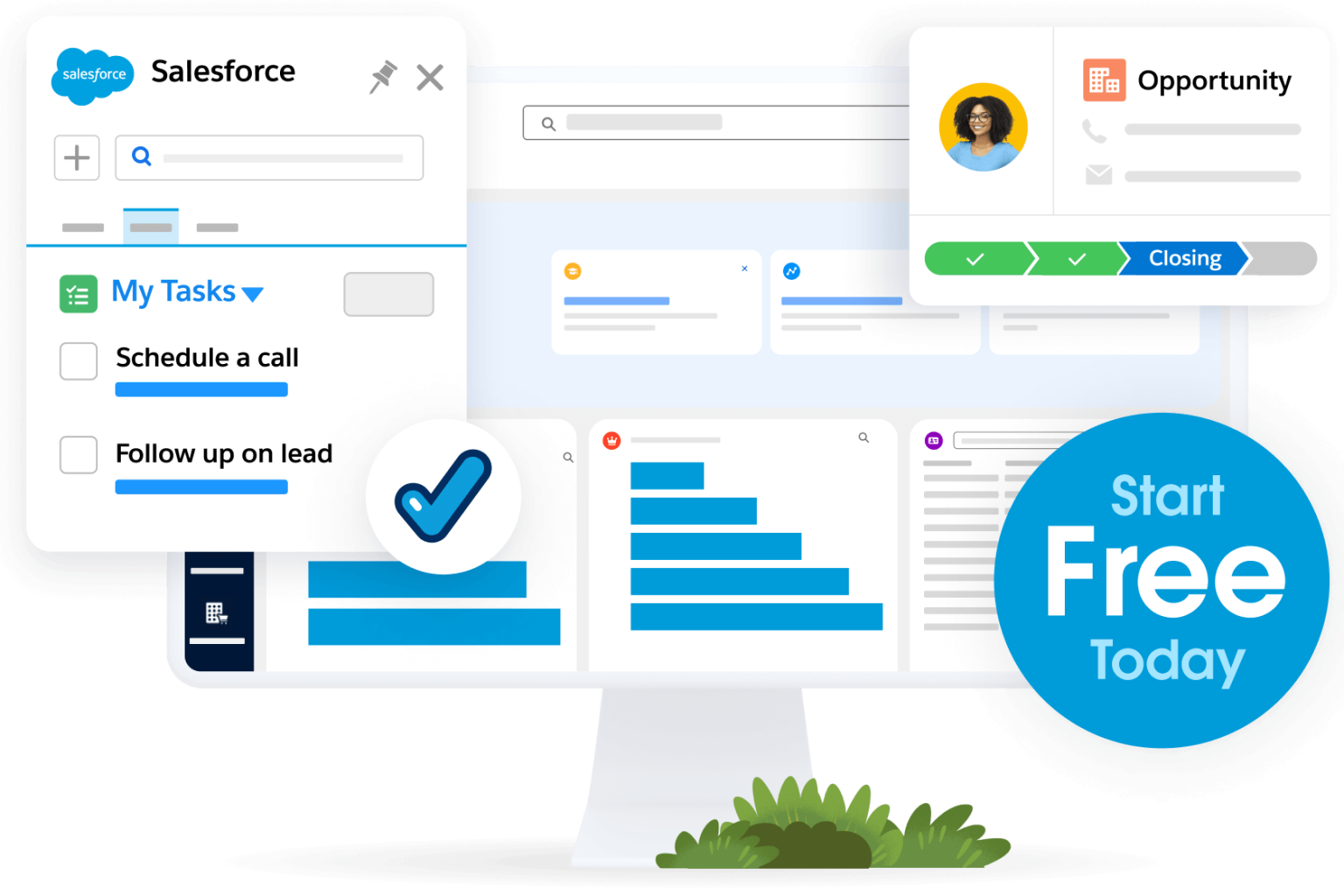
An integrated CRM tool helps you stay organized and keep your marketing efforts on track. And with tools from AppExchange, you can go even further. AppExchange apps help you connect systems, automate tasks, and build stronger campaigns that lead to lasting customer relationships.
Kickstart your SMB with Starter Suite
See results from day one with a CRM designed for SMBs — the all-in-one suite for productivity. It all starts with Starter Suite.
6. Measure your results and get ready for more
Even the most creative ideas need to prove their worth. After the buzz settles, take time to review what worked and what didn’t. Key metrics to track include clicks, social media shares, customer engagement, and return on investment (ROI).
Keep an eye on how many people viewed your campaign, how they interacted with it, and whether it helped grow your sales lead pipeline. Using a marketing CRM can make this easier. It helps you gather data in one place and shows which parts of your campaign are driving real results. With these insights, you can fine-tune your strategy and get ready to launch even better campaigns next time.
How smart technology helps your guerrilla marketing efforts
Your guerrilla marketing campaign created buzz and even boosted traffic to your online store. That’s a great start. But true success comes when people remember your brand, become customers, and keep coming back. To turn short-term attention into lasting relationships, you need the right technology to make it happen.
With a small business CRM in place, you can start collecting and organizing contact details from people who have engaged with your campaign. You can track who showed interest, what they clicked on, and what they might want next. You can follow up with something that feels personal and relevant. And, as your team learns what worked, you all stay aligned and focused on the right leads, without losing momentum.
And now you can take that up a notch with AI tools that can:
- Analyze all the data you gather and help you spot patterns you might miss.
- Predict what new leads might be interested in next, and even suggest the best time to follow up.
- If you’re looking to send out emails or offers, AI can personalize those too.
- It can segment your audience into smaller groups based on interest or behavior, and even recommend the kind of message that’s more likely to get opened or clicked.
- And, in some cases, AI can even write those subject lines for you.
The goal is simple. You focus on building clever campaigns that surprise and delight. Smart technology helps you make those campaigns more efficient and easier to scale (and of course, saves you time).
Turning buzz into business with these guerrilla marketing tips
Guerrilla marketing breaks away from traditional tactics by showing up where people least expect it and sparking real curiosity. It’s a smart way to make an impact without a massive budget. But while it can open the door, technology helps you invite people in and keeps them coming back. A CRM keeps your outreach personal and organized, and AI helps you scale what works. Together, they turn a moment of marketing into a lasting story.
Salesforce helps you keep that story going by turning attention into action. It helps you stay top of mind, build stronger relationships, and keep your business moving forward.
Ready to get started? Kick off your journey with Starter Suite. Looking for more customization? Explore Pro Suite. Already a Salesforce customer? Activate Foundations and try out Agentforce today.
AI supported the writers and editors of this article.