


Key Takeaways
Do you remember a time when there was no internet? If the answer is no, that means your customers don’t either. If you aren’t participating in internet marketing as a small or medium enterprise (SME) by now, you may want to log on. The internet is a busy place, so these tips may help you get seen in the crowd.
This article is your roadmap to understanding and implementing effective internet marketing strategies designed specifically for growing businesses and startups. We’ll walk you through the core components of a successful online campaign, from understanding your customer to measuring your results. Our goal is to get you the practical knowledge to market on the internet, and create a high-impact digital presence that moves your business forward.
What is internet marketing and why does your SME need it?
Internet marketing (also known as digital marketing) is the practice of promoting a business, product, or service over the internet. It encompasses a wide range of strategies and channels, including search engine optimization (SEO), social media, email, paid advertising, and content creation. Unlike traditional advertising, which relies on print, television, or radio, internet marketing allows for direct engagement, precise targeting, and detailed measurement.
If your business isn’t online, you are invisible to customers. Your prospects use search engines, artificial intelligence (AI), and even social media to research and purchase products and services all over the world.
By focusing on targeted, data-driven online campaigns, SMEs can build brand awareness, generate qualified leads, and nurture customer relationships more efficiently than ever before, all while tracking the return on investment (ROI) of every dollar spent.
Market your SMB with Salesforce AI


Build your online foundation
Every successful internet marketing campaign for a SME begins with a plan to build. Your foundation starts with defining your perfect customer and clearly stating what you want your online efforts to achieve. Are you aiming for more website visits, more sales, or more email sign-ups? Being specific allows you to focus your limited time and resources.
Tap into your audience on a real level
- Define your ideal buyer with a detailed profile — knowing their needs helps you create the right content.
- Ask yourself where your customers spend time online — whether that’s social media, search engines, or industry forums.
- Use a customer relationship management (CRM) platform to look at existing customer data and find common characteristics.
Set goals (and boundaries) for your online biz
- Establish specific, measurable, achievable, relevant, and time-bound (SMART) goals for every marketing effort.
- For example, instead of “increase sales,” aim for “increase online store sales by 15% in the next quarter.”
- Align your online goals with your overall business objectives, such as using your Salesforce marketing tools to grow brand awareness.




Choose the right digital channels for internet marketing
Once you know who you’re talking to and what you want to achieve, the next step in effective internet marketing is selecting the right places to spend your time. This means choosing a few channels — like social media or email — that offer the best chance to reach your specific audience.
Web: Search engine optimization (SEO)
SEO is vital for internet marketing, driving organic traffic by increasing SERP rankings and, consequently, website visibility and credibility. This highly valuable traffic leads to higher conversion rates and sustained lead generation. Successful SEO offers a strong ROI compared to continuous paid advertising.
- Focus on optimizing your website with relevant keywords that your customers are actually using to find you.
- Ensure your local business information is correct and consistent across online directories, a key step for any startup.
Paid advertising: Search engine marketing (SEM)
Search engine marketing (SEM), offers small businesses an immediate and measurable way to reach customers actively searching for their products or services. It involves placing ads on search engine results pages (SERPs) using platforms like Google Ads. While SEO is a long-term strategy for organic traffic, SEM provides a fast track to visibility and lead generation.
- Focus on highly specific keywords to ensure your ad appears only to prospects with a high intent to purchase, maximizing your budget.
- Create compelling ad copy that is relevant to the search query and includes a clear, strong call to action (CTA).
- Use your CRM data to target lookalike audiences or retarget users who have previously visited your website, making your advertising spend more effective.
Social Media: Digital networking
- Social platforms are excellent for building community and providing customer service, linking directly to your customer service tools.
- Choose the one or two platforms most popular with your target audience rather than trying to manage every single one.
- Use compelling visuals and helpful information, not just sales pitches, to engage your audience.
Email: Internet lead generation
- Email remains one of the most effective ways for a small business to nurture leads and build loyalty.
- Use your CRM system to segment your audience so you send targeted messages that feel personalized.
- Offer something valuable — like a discount or an exclusive piece of content — in exchange for an email address.
Measure and optimize your online marketing efforts
The best part of internet marketing is that almost everything is measurable. For SMEs, this is important because it lets you see exactly what’s working and what isn’t, allowing you to stop wasting resources and start budgeting for growth. Regularly reviewing your performance data helps you to understand customer behavior and improve your campaigns.
Monitor metrics like:
Website traffic (SEO)
For your SEO efforts, the primary measure of success is organic traffic. This metric shows how many visitors come to your website from unpaid search results (like Google). A consistent increase in organic traffic indicates that your keyword strategy and site optimization are effective, leading to sustained lead generation and brand awareness without continuous ad spending.
Click-through rate (CTR)
When running SEM campaigns, click-through rate (CTR) is a good metric. CTR is the percentage of people who see your ad (impressions) and click on it. A high CTR suggests that your ad copy is compelling and highly relevant to the search terms, meaning you’re effectively capturing the attention of high-intent prospects and maximizing the value of your advertising budget.
Engagement rate (Social media)
On social media platforms, success is often measured by the engagement rate. This metric calculates the percentage of your audience that actively interacts with your content (likes, shares, comments, saves). A high engagement rate indicates that your content resonates with your target audience, fostering community, building brand loyalty, and increasing the organic reach of your posts.
Open and click rates (Email marketing)
For email marketing, you should monitor the open rate and click rate. The open rate indicates how many subscribers found your subject line compelling enough to open the email. The click rate measures how many recipients clicked on a link within the email. High rates in both suggest that your segmentation, personalization, and call-to-actions are effective at moving leads down the funnel.
Customer acquisition cost (CAC)
Customer acquisition cost (CAC) is the total cost of sales and marketing efforts required to acquire one new customer. This is the ultimate financial metric for any online campaign. To calculate it, divide the total money spent on all marketing and sales efforts (including salaries, tools, and ad spend) over a specific period by the number of new customers acquired in that same period. Monitoring CAC ensures that your entire internet marketing strategy remains profitable for your growth.
A CRM built for marketing can help connect the dots between marketing activities and actual sales, giving you a complete view. Don’t just look at the numbers — try to understand the why behind them, such as why a particular ad performed better than another.
Review your data = level up
If a specific marketing channel isn’t meeting your goals, don’t be afraid to change your approach or even drop the channel entirely.
- Use the power of AI tools within Salesforce to suggest optimal times for sending emails or running ads.
- Test different versions of your ads, emails, or website pages to see which ones your audience responds to best.
What can you do with a CRM built to reach more prospects?
Automate your marketing campaigns with a CRM built to grow. It all starts with Starter Suite.

Connect your internet marketing and business operations
To truly succeed, your promotional efforts shouldn’t exist in a silo. For SMEs, connecting your internet marketing with your sales, service, and commerce operations creates a better customer experience. When marketing data flows directly into your sales and service teams, every customer touchpoint is informed, personalized, and efficient.
CRM roles in internet marketing
- Use your CRM to capture every interaction a prospect or lead has with your business, from their first visit to their most recent purchase.
- When your service team speaks to a customer, they can see exactly which marketing message led to the interaction, making for a better customer experience.
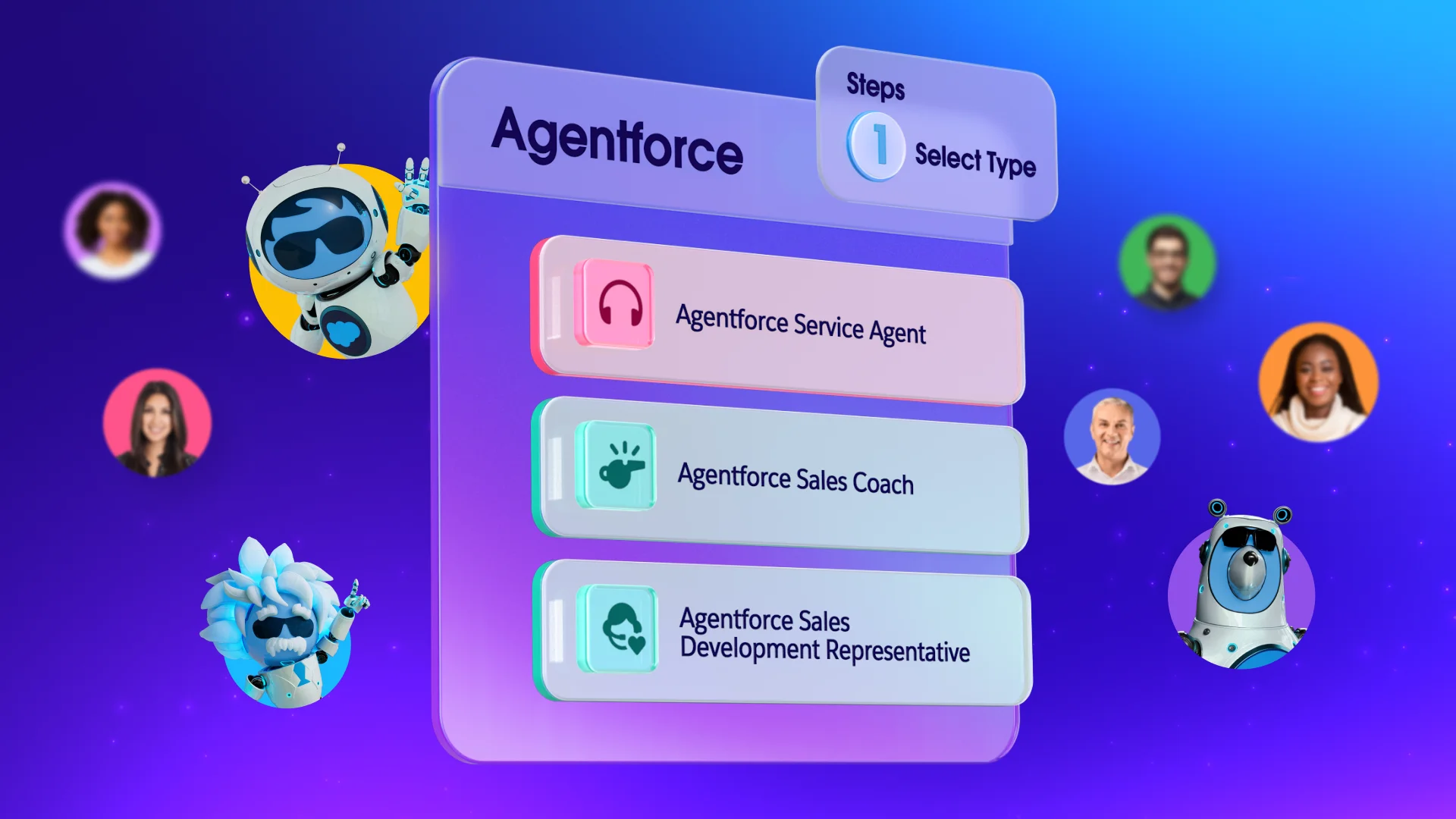
- Explore tools like Agentforce 360 to automate routine tasks and enhance engagement across your internet marketing campaigns.
Maxing out on automation
Automation tools can send follow-up emails, update customer records, and route leads to the right sales person, all without manual intervention. This frees up your small team to focus on high-value activities that require human creativity and connection.
Here are a few ways you can use automation in internet marketing with a CRM:
Automatically assign a score to new leads based on their online behavior (e.g., website visits, content downloads) and instantly route high-score leads to the sales team.
Trigger a series of personalized follow-up emails based on a prospect’s action, such as signing up for a newsletter or abandoning a shopping cart.
Automatically update customer records with new information from marketing campaigns, sales calls, and service interactions.
Create service cases automatically or alert the sales team when a prospect mentions your brand on social media (e.g., a service complaint or a request for a quote).
Automatically create follow-up tasks for sales reps (e.g., “Call within 24 hours”) when a lead performs a critical action (e.g., requesting a demo).
Seeing is believing. Try Salesforce for free with a 30 day trial.
See how small businesses are using Salesforce CRM to scale fast. No credit card required, no software to install. It all starts with Starter Suite.
Thank you!
Try for freeInternet marketing made easy with CRM
Now you’re ready for the internet marketing roadmap, and a digital presence awaits. Set your marketing goals, focus on the right channels, and use data to measure and optimize campaigns. And try out Salesforce to deliver a brand new (internet-friendly) experience for your customers.
Start your journey with a free trial of Starter Suite today. Looking for more customization? Explore Pro Suite. Already a Salesforce customer? Activate Foundations today to try Agentforce 360 today.
AI supported the writers and editors who created this article.
How much budget should a small business dedicate to online marketing?
There is no one-size-fits-all answer, but a common starting point for small businesses is to allocate between 7% and 10% of gross revenue to marketing. If you are a new startup, you may need to invest more upfront.
What is the fastest way for a startup to see results from digital marketing?
The fastest results often come from paid advertising channels, such as paid search or social media ads, because they offer immediate visibility. However, combining these short-term gains with long-term strategies like strong search engine marketing and content creation provides a more sustainable path to growth.
What kind of content should a small business create?
Focus on creating content that is genuinely helpful to your customers and answers their most common questions. This could be short how-to videos, blog posts that solve a specific problem, or quick-read guides.
How does a CRM help with a small business’s digital campaigns?
A CRM system acts as the central hub for all your customer data, which is critical for successful online campaigns. It helps you segment your audience for personalized email marketing, track which ads generate the best leads, and ensure your sales and service teams are aligned with the marketing message.
Can a small business compete with larger companies online?
Yes, absolutely. Small businesses can win by focusing on niche audiences, providing exceptional, personalized service, and building strong local authority. The transparency and personal touch that a small business offers can be a significant advantage over large competitors.