



Raise your hand if you’ve worked with influencers before. The term influencer always seemed out of reach for startups and growing marketing teams, but now, with AI and marketing reaching far beyond what we used to have, it’s possible. And even more than that, it’s fun.
This guide walks through how to build an influencer marketing strategy that fits a lean team, where to find the right partners, and how to connect it all together for your prospects and customers. And don’t forget the fun part.
What’s influencer marketing again?
There’s that term you’ve heard in the social world: Influencer. What does it really mean? It’s really just a fancy way of saying partner. An influential partnership in social swapping. It’s the practice of partnering with creators who have established audiences to build brand awareness and engagement. And, it’s usually people you enjoy, are like-minded, and who really get your brand.
What influencer marketing looks like for a small team
Influencer marketing for small teams doesn’t have to mean chasing creators with millions of followers. Micro and nano influencers — people with a few thousand highly engaged followers — often convert better because their audience actually trusts them. Smaller creators build close relationships with their communities, which makes their recommendations feel less like ads and more like advice from a friend.
For a founder running a small and medium business (SMB), that’s the opening you want. You’re not trying to out-shout a national brand. You’re trying to show up in the feed of someone your customer already trusts.
Examples of influencer marketing for smaller businesses:
- Consider gifting products or offering commission as a budget-friendly way to work with niche, nano-creators. You can help kickstart their content creation business while they help get the word out about your business.
- Affiliate partnerships: Providing creators with unique discount codes or referral links to earn a commission on driven sales.
- Sponsored content or ambassador posts: Paying micro-influencers a flat fee to create a dedicated post or short series featuring your product, or bringing them on as an ongoing brand ambassador.
Map out an influencer marketing strategy in a jiffy
You don’t need a dedicated influencer team to run this well — you need a repeatable process. Start small, track everything, and let the data tell you which partnerships are worth repeating.
- Pick a lane before you pick a creator: Decide whether you’re chasing brand awareness, direct sales, or both, since that shapes who you approach and what you offer them.
- Offer something real: Free product, a commission, or a flat fee all work — just be upfront about it, since undisclosed partnerships erode trust fast.
- Track it in one place: Every campaign should land in the same customer relationship management (CRM) system as your other marketing, so you’re not guessing where a sale came from.
- Start with a pilot: Run a small test with two or three creators before committing budget to a bigger push.
This is where a lot of small business marketing strategies fall apart — not because the creator partnership was bad, but because there was no system behind it. Influencer marketing works best when it’s treated as one channel among several, not a one-off experiment sitting outside your usual tracking.
Marketing 101: Crafting a Comprehensive Strategy
Craft a marketing plan for reaching and converting your audience into long-term customers in this free guide.
How to tie influencer marketing back to real data
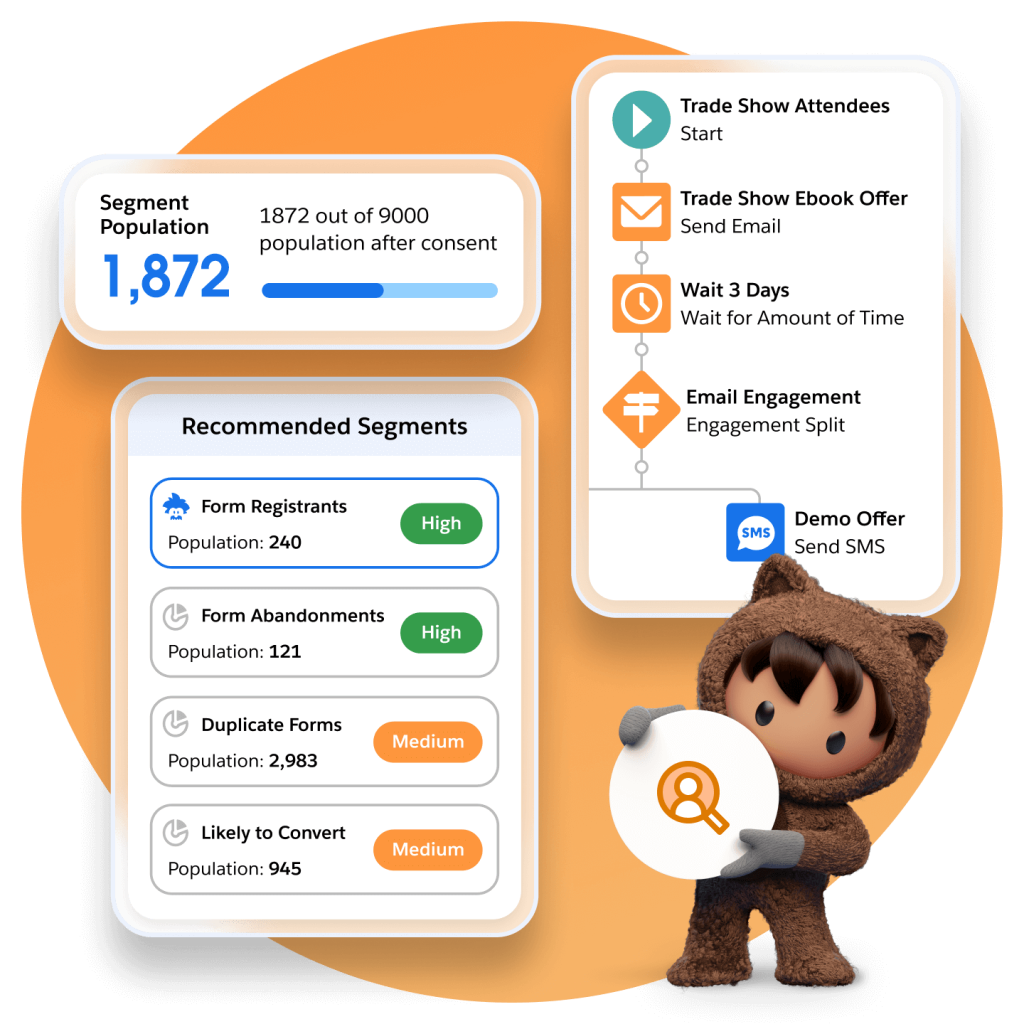
Influencer marketing for startups tends to happen fast and messy — a founder DMs a creator, a post goes up, and everyone hopes for the best. That works exactly once. After that, you need to know which posts actually moved people, not just which ones got likes.
This type of data is rich. The latest Small and Medium Business Trends Report found that SMBs engaging with AI are increasingly using it to sharpen exactly this kind of decision — knowing which campaigns, including influencer marketing efforts, are worth repeating and which aren’t. With influencer email and social campaigns, AI can start surfacing patterns you’d never catch by eyeballing engagement numbers alone:
- Which creator’s audience actually buys
- Which offer converts twice as often
- Which post format keeps getting ignored
Try the Marketing CRM for small business.
No credit card required, no software to install.

Where AI agents fit into your influencer marketing
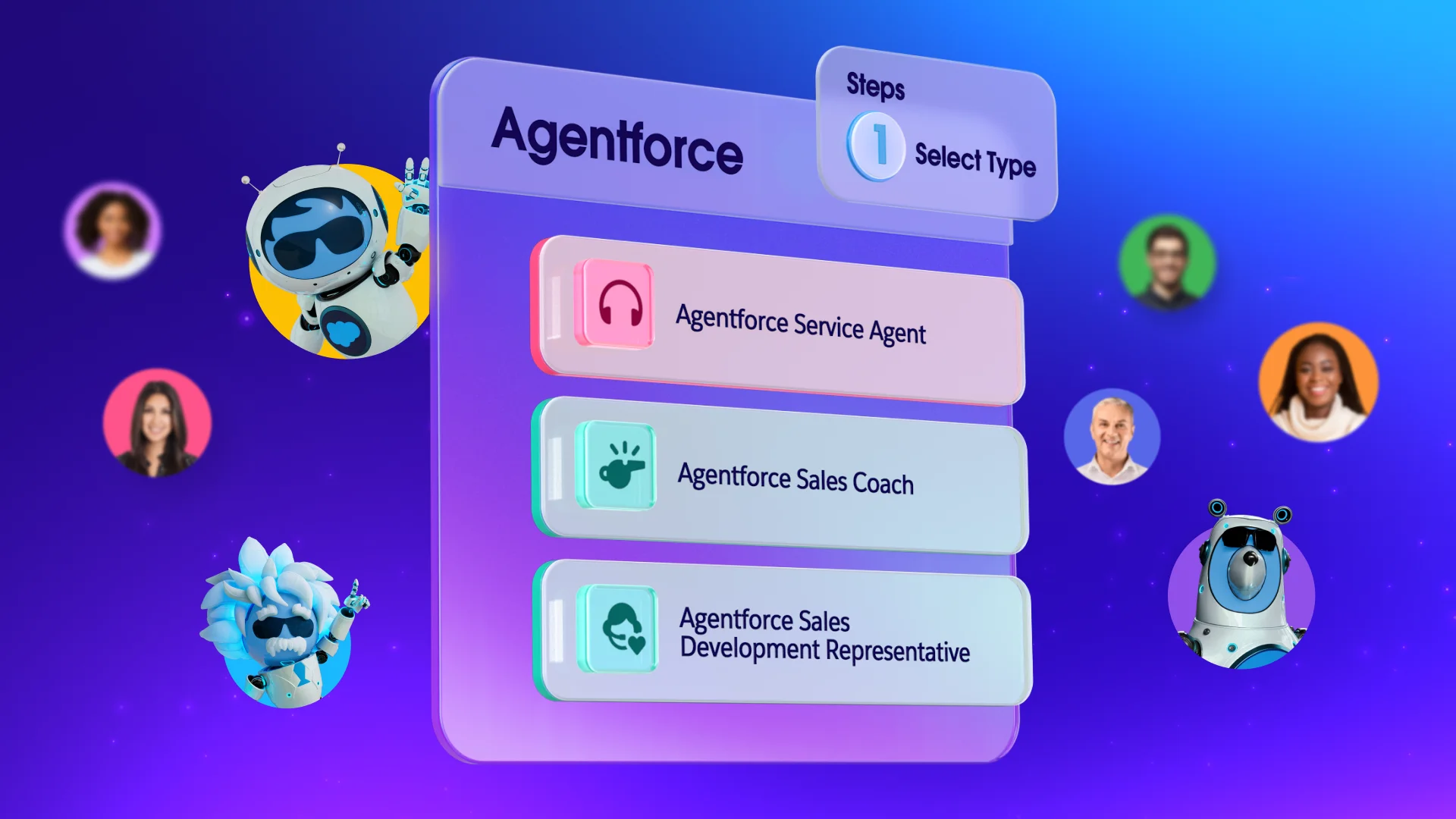
Once your data is connected, AI agents can take some of the manual work off your plate. Instead of you combing through spreadsheets after every campaign, an AI agent can flag which influencer partnerships are working, follow up with campaign leads, and route the ones ready to buy.
This matters more for a small team than a large one. A ten-person company can’t afford to have someone manually reconciling influencer campaign data every week — the whole point of automating this work is getting the hours back. Agentforce builds on the same idea: AI agents that work inside your existing CRM data, not a separate tool you have to maintain on the side.
Start the influencer fun
Influencer marketing works when it’s connected — to your CRM, your sales pipeline, and the rest of your marketing. And remember, these are your trusted partners, so be sure to have trusted tools by your side for maximum reach.
Get started with a marketing CRM like Salesforce for free or activate Foundations to try out Agentforce today.
AI supported the writers and editors who created this article.
Is influencer marketing worth it for a small business?
Yes, especially with micro and nano influencers, whose smaller but highly engaged audiences often convert better than big-name creators. The key is treating it as one tracked channel, not a standalone experiment.
How do I find the right influencers for my brand?
Look for creators whose existing audience already overlaps with your customers, and check engagement quality over raw follower count. For true nano-creators, reaching out directly on the platforms they already use tends to work well. For micro and mid-tier creators, check their bio first — many list a business email or manager contact they’d rather you use.
What should I pay influencers — cash, product, or commission?
It depends on your budget and goals: product works for awareness, commission works for sales-driven campaigns, and flat fees work when you need guaranteed content. Whatever you choose, disclose the partnership clearly, since transparency protects both your brand and the creator’s credibility.
How do I measure if an influencer campaign is working?
Track it inside the same CRM you use for other marketing, using unique links or codes so you can see which creator drove which sale or lead. Without that connection, you’re left guessing based on likes and comments, which don’t always translate to revenue — Trailhead’s social media marketing module covers the basics of tracking social engagement the right way.
Can AI help manage influencer marketing campaigns?
Once a UTM link or discount code brings someone into your CRM, an AI agent can help flag which campaigns are driving that traffic and support standard lead routing from there.