
Key Takeaways
We all know the pace of artificial intelligence (AI) in technology is dizzying. But as a startup founder or small and medium business (SMB) owner, cutting-edge trends often feel reserved for larger organizations. The truth, however, is that today’s technology is designed to be the ultimate equalizer — allowing small teams to operate with the efficiency and intelligence of a global enterprise.
The first edition of the Trends in Technology Report gathered insights from 450 tech leaders worldwide, and (spoiler alert) it confirms this: AI, data, and integrated systems are no longer “nice-to-haves” but essential components for growth.
Here are some key takeaways from the report and what they mean for your small business in the near future.
Small business trends to watch out for in 2026
1. The AI agent revolution is here — and it’s accessible
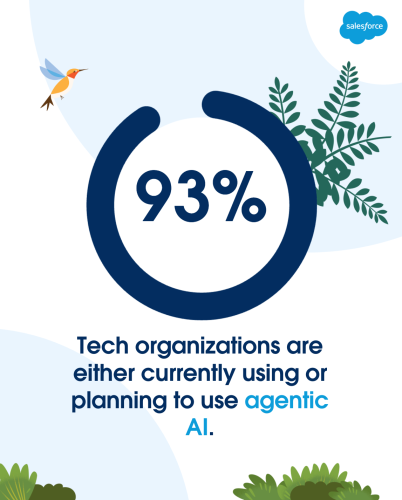
The most dominant trend is the rise of agentic AI — autonomous tools that can handle customer outreach, service tasks, and back-office work independently. The report highlights how tech leaders are shifting from simple, smart tools to AI agents that act on data.
AI is central to navigating complexities and future success in the technology industry. Just look at these numbers:
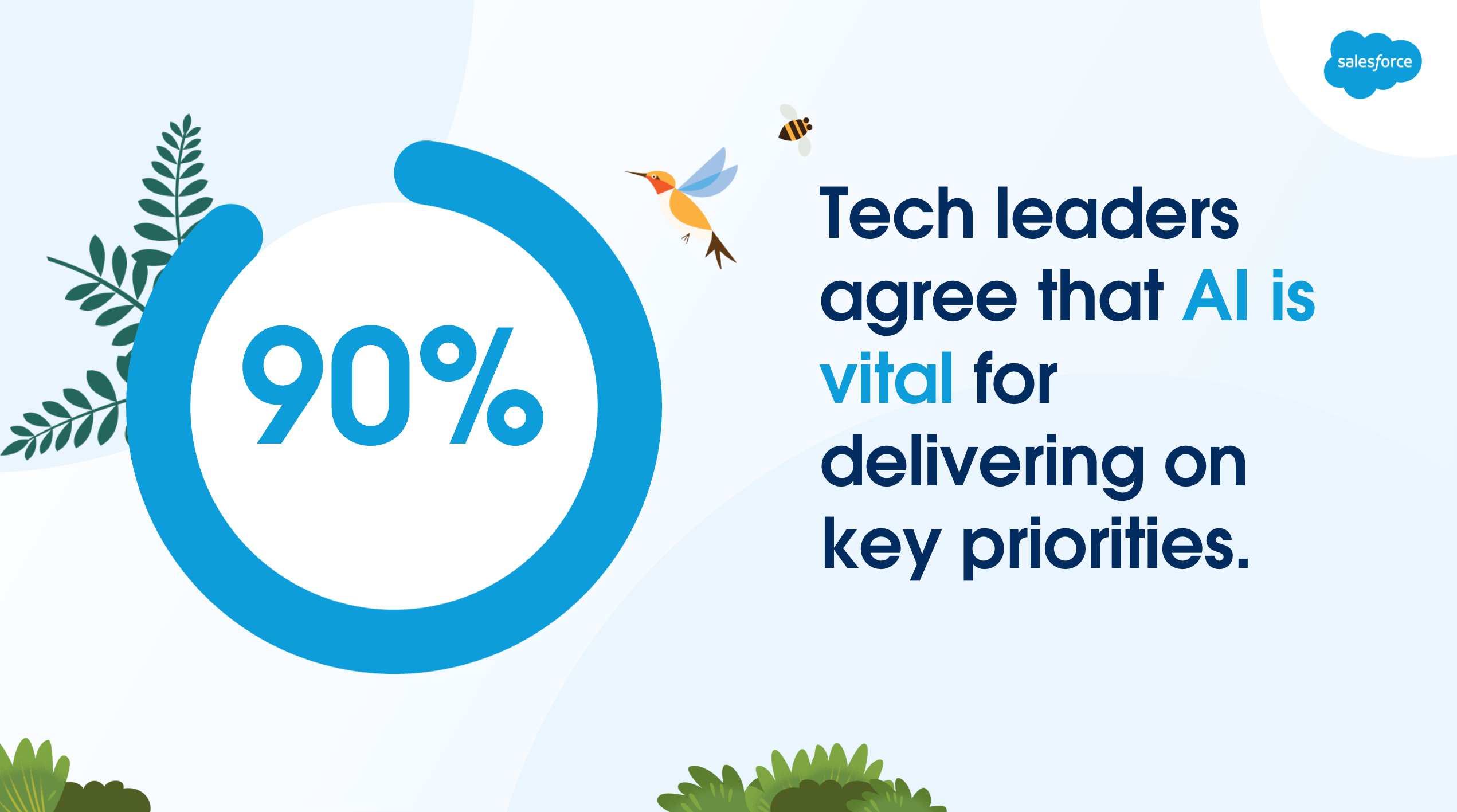
- 90% of tech leaders agree that AI is vital for delivering on key priorities.
- Generative AI promises an additional $280 billion in new software revenue.
- 54% felt that AI is a must-have for every business priority.
- The big picture: Growing SMBs are nearly twice as likely to be investing in AI than their struggling peers. In fact, a vast majority of successful startups are already using AI to see immediate returns on productivity and revenue.
- What this means for you: You don’t need a team of data scientists to tap into AI. Tools integrated into your core business systems (like your customer relationship management (CRM) tool) can use AI to automatically score leads, write personalized emails, route service cases, and summarize customer interactions, instantly freeing up your limited staff for high-value tasks.
2. Data is the new revenue stream
Tech leaders agree: a complete, accurate view of the customer is the only way to deliver the personalized experiences customers now expect. The way to build this complete view is through high-quality data,and successful businesses are prioritizing efforts to organize and secure it.
But challenges remain. Low data quality and disconnected data sources are preventing AI agents from realizing their full potential: 62% of tech industry leaders list disconnected data sources as one of their top business challenges. And, 46% of tech companies do not believe their teams have the data they need to do their jobs. But only 14% of tech companies have fully integrated their data.
- The big picture: SMBs are significantly increasing their investment in data management. They recognize that data, when unified, provides the speed and reliability needed to truly understand a customer.
- What this means for you: Disconnected spreadsheets and siloed apps are slowing you down. Your future success depends on connecting all your customer touchpoints — sales, service, and marketing — into one unified data platform. This allows you to personalize every interaction, turning first-time buyers into loyal advocates.
3. Humans and AI create infinite possibilities together
Our research shows that while technology spending is increasing, many SMB leaders feel overwhelmed by the sheer number of tools they use. What’s more, 80% of leaders also say that customer expectations are higher than they used to be, and 75% say that customers expect a more personal touch than they used to.
So how do you achieve this? With integrated AI tools. Growing SMBs are more likely to describe their tech stack as an integrated suite.
- The big picture: Using too many separate, disconnected applications leads to data inconsistencies and wasted time toggling between screens. The most efficient businesses run on a single platform that connects all teams.
- What this means for you: Stop duct-taping your software together. Choosing an integrated CRM suite allows your sales, service, commerce, and marketing teams to share the exact same customer information. This synergy fuels efficiency, cuts costs, and ensures a seamless experience for your customers, regardless of who they talk to.
What the experts are saying
Here’s what over 450 tech industry leaders are thinking and feeling about the current state of the industry.
The future is moving fast — and you’re ready
The real takeaway from the tech trends report is simple: The future is now with AI agents and it relies entirely on the foundational data structure you build today. Your CRM is the single source of truth that feeds the AI, ensuring every action it takes is smart, relevant, and trusted. And, Salesforce offers suites specifically built to grow with you.
Start your journey with the Free or Starter Suite today. Looking for more customization? Explore Pro Suite. Already a Salesforce customer? Activate Foundations to try out Agentforce 360 today.
AI supported the writers and editors who created this article.
Frequently Asked Questions (FAQs)
The report confirms that AI, data, and integrated systems are essential components for growth and act as an “equalizer,” allowing small teams to operate with the efficiency of large enterprises.
It refers to the rise of agentic AI—autonomous tools that can handle customer outreach, service tasks, and back-office work independently, acting on data rather than just being simple smart tools.
Nope. The tools integrated into your core business systems, like your CRM, can use AI to automate tasks like lead scoring, email personalization, and case routing without needing specialized staff.
A complete, accurate, and unified view of customer data is necessary to deliver the personalized experiences customers expect. Organizing and securing this data allows businesses to turn first-time buyers into loyal advocates.
Disconnected applications lead to data inconsistencies and wasted time toggling between screens. The most efficient businesses use a single, integrated CRM suite to connect sales, service, commerce, and marketing teams.