


Key Takeaways
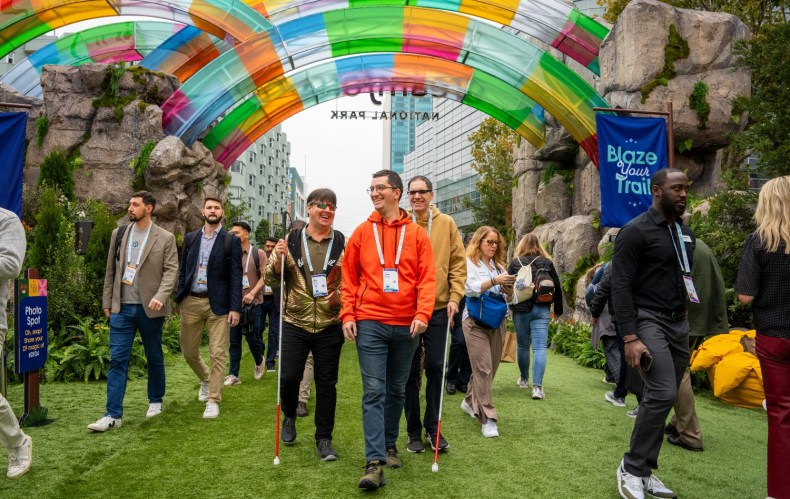
Setting up your booth next to corporate mega-stars at a trade show can be intimidating. It’s hard not to feel like your hard-earned dollars on this event before the show even starts. But here’s the thing: some of the best trade show success stories come from small and medium businesses (SMBs) — and the word on the street is that SMBs are now in the spotlight to rise in the market. At Dreamforce, one of the world’s largest technology events, SMBs really shined bright, and took home many learnings and wins.
With the right tools and planning, every startup and small business owner can be successful at any type of event. And the best part? You don’t have to spend a lot to make an impact. We’ll share practical tips and strategies to stand out and compete with large enterprises.
Why trade shows (still) matter to small businesses
According to Trade Show Labs, 85% of businesses participate in a trade show to generate leads and sales. Many businesses now dedicate most budgets toward digital marketing to get spotted by potential customers. But trade shows offer something that Instagram ads can’t: real human connections. You’re not just another notification — you’re a person they can shake hands with, ask questions, and remember.
Here are the core benefits of attending a trade show as a startup or SMB:
- Better lead generation: Gain direct access to a large volume of highly-qualified leads, buyers, and decision makers in a short period.
- Access to feedback: Get immediate, unfiltered feedback on new products, validate pricing, and conduct low-cost competitive intelligence by connecting directly to attendees.
- Strong brand credibility: Build more trust in a 10-minute conversation than you can with months of email campaigns and online interactions.
- Networking and partnerships: Identify and establish relationships with potential partners or industry influencers who can boost long-term business growth.
- Higher ROI: Focus your marketing efforts and budget on interested customers or a targeted audience, increasing your return on investment (ROI) overall.
Attract more customers with Salesforce AI



Types of trade shows for small businesses and startups
In the U.S. alone, over 13,000 trade shows happen every year, with hotspots like Las Vegas, Chicago, and Orlando hosting the most shows. With that many options, including notable virtual shows, knowing which type fits your business is crucial. Here’s the breakdown:
Industry-specific trade shows bring together everyone in your sector under one roof. Think Dreamforce for global businesses and tech startups. If you’re targeting a niche market, industry-specific events are gold mines, because attendees already speak your language and understand exactly what you’re selling.
Get excited for Dreamforce ’26!
Register for Dreamforce ’26 today and discover how your small business can become an agentic enterprise.

Regional trade shows keep things local with smaller crowds, lower costs, and a geographic focus. They’re perfect for businesses serving specific areas or for testing the trade show waters before committing to expensive national events. You’ll connect with buyers who are already in your back yard, making follow-up easier.
And there are also consumer trade shows, which open the doors to the public, not just industry insiders. They’re great for direct sales and getting your brand in front of people, but expect a totally different energy than business-to-business (B2B) events.
Also, virtual and hybrid shows are now popular and some of the best are emerging into new markets. They’re easy on the wallet, and let you reach people anywhere (although nothing beats meeting someone face-to-face).
Here’s how to find the best trade shows in your niche:
- Check your industry associations: These associations are run and funded by businesses that operate in your industry, typically to promote their collective interests.
- Use search sites: Check out Trade Show News Network (TSNN) or 10times to filter by industry, location, and dates.
- Follow LinkedIn groups: Event announcements often popup on LinkedIn and social media platforms in your niche.
- Ask around: Ask your competitors, suppliers, or customers where they’re exhibiting. If it’s working for them, it might work for you too.
The Guide to AI for Small Business
Check out this free guide on incorporating AI into your business with these tips, strategies and tools.
Thank you for downloading the free AI guide!
Here's your free guide!How SMBs can shine at trade shows (in 3 steps)
Okay, so you’ve signed up for a trade show or learned about its benefits. Now what? It’s time to get started with the planning and preparation. The following steps can help you:
Step 1: Use AI for preshow planning and promotions
The weeks before the trade show are just as important as the event itself, and this is where artificial intelligence (AI) can lighten your load, helping you save hours. In fact, according to Salesforce’s latest Small and Medium Business Trends Report, 90% of business owners say AI makes them more efficient.
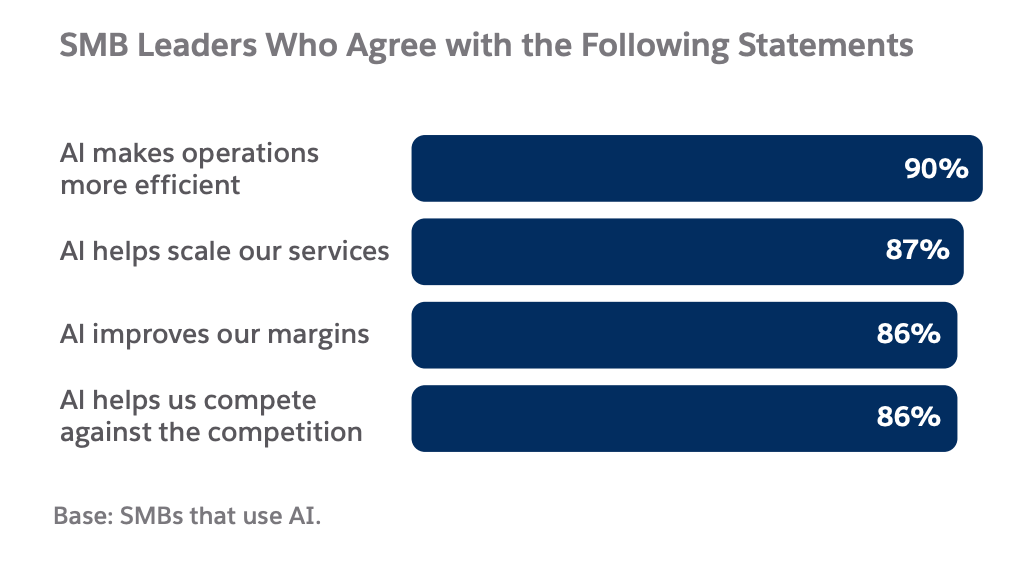
Source: Small and Medium Business Trends Report, 6th Edition, Salesforce
Whether you’re setting clear goals or creating a marketing strategy — planning in advance using AI can mean the difference between crickets and a crowd at your booth. The following tips can help you:
- Make a goal: AI can help you set specific, measurable, achievable, relevant, and time-bound (SMART) goals for your event by analyzing past attendee data and industry trends.
- Gather the required tools: Use a customer relationship management (CRM) to track your leads, manage customer information, and deliver service beyond the event. An AI CRM helps you make data-driven decisions with predictive insights.
- Budget strategically: AI can compare potential booth placements and design costs against predicted lead quality and historical revenue generation, helping you get better visibility.
- Build preshow buzz: Use generative AI (Gen AI) to create personalized outreach content for email marketing and social media posts for hundreds of targeted attendees.
- Design a booth that draws crowds: Use AI image generators like Midjourney or Canva AI to create various low-cost booth concepts and signage messaging that’ll likely convert, before investing in production.
Step 2: On the floor: During the trade show
Now, it’s time to execute the plans we’ve put together. Here’s how to work the floor like a pro with the tools you have:
- Get your CRM mobile-ready: Download a mobile CRM to access all the latest information and update leads even when you’re on the go.
- Be ready to pitch anywhere: You’ll have about 10 seconds to get someone’s attention. Have a clear, compelling elevator pitch, and practice with your team so everyone knows how to hook people and keep conversations flowing naturally.
- Ditch cards for lead-scanning apps: Use mobile scanners or create a custom QR code that captures contact information instantly. This is faster, cleaner, and easier to follow up with later.
- Schedule breaks: Take short breaks to refresh yourself, upload leads in your CRM, share what’s working, and tweak your approach before you head back out for more connections.
Step 3: Post-show follow-up (Where the real money gets made)
Don’t let your efforts at these events go to waste. Here are a few tips to act fast and nurture those leads after a trade show or conference:
- Strike while the iron’s hot: Stand out as a new connection by sending a personalized follow-up. Reach out while you’re still fresh in their minds, typically within 72 hours. Customize your message with the connections you made (all noted, of course, in your CRM.)
- Set email sequences: You can send personalized emails to leads quickly based on the notes you took. A CRM for small business like Starter Suite comes with prebuilt templates for email marketing and sequences that you can schedule to kick off right after the show.
- Go beyond email: Send a LinkedIn request with a personalized note, or follow-up through text on their number. Multichannel follow-up increases your chances of getting a response (word of caution: don’t be pushy by sending multiple messages).
- Measure your wins: Go beyond vanity metrics like “we collected 200 cards” and track how many users have booked demo calls, signed up for free trials, and turned into paying customers.
- Learn and improve: Don’t let the lessons fade. Immediately note down the highs and lows: successful demos, or the giveaways that didn’t land. Capture that instant feedback to know exactly what to do, next time.
Be a Trailblazer
Free learning means the freedom to take control of your future.

Top 5 events to attend for startups and SMBs
You don’t need to attend every trade show under the sun — just the ones where your ideal customers show up. Here are the must-attend events that consistently deliver solid ROI for businesses across different industries:
- Small Business Saturday: Held the Saturday after Thanksgiving, it encourages consumers to “shop small” at local, independent businesses. It’s a vital revenue generator that kicks off the holiday shopping season for SMBs.
- Small Business Week: It’s an annual event led by the Small Business Administration (SBA) to honor entrepreneurs. It provides access to free educational resources, like webinars, training, and networking opportunities.
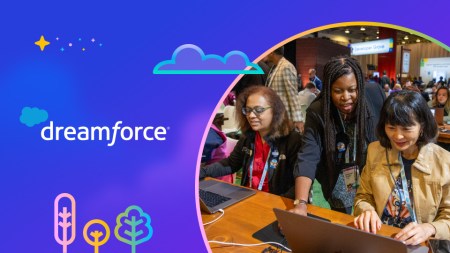
- Dreamforce: Salesforce’s annual AI tech conference, Dreamforce, includes dedicated sessions and resources for businesses of all sizes. It’s a prime event for learning about CRM, AI, and networking with the broader tech ecosystem.
- National Veterans Small Business Week (NVSBW): It supports veteran-owned businesses and military spouse entrepreneurs with federal resources and mentorship opportunities.
- Salesforce Connections: An annual conference that focuses on digital marketing, commerce, and customer experiences (CX). Expect keynote sessions, hands-on workshops, and networking opportunities, which equip you with the required modern-day tech and tools.
Create an impact at trade shows with AI and CRM
Trade shows aren’t about having the biggest booth or the flashiest giveaways. They’re about showing up with a smart (but fun!) strategy and following through when it counts. With Salesforce handling everything from pre-show campaigns to real-time lead capture and follow-up communication — you’ll compete with anyone on that floor. And the best part? It unifies your sales, marketing, commerce, and service so you can deliver hyper-personalized experiences, from trade shows and beyond.
Start your journey with the Free or Starter Suite today. Looking for more customization? Explore Pro Suite. Already a Salesforce customer? Activate Foundations to try out Agentforce 360 today.
AI supported the writers and editors who created this article.
Frequently Asked Questions (FAQs)
A trade show is a dedicated event where businesses in a specific industry gather to showcase products. It’s good for small businesses to generate leads, and network with partners and customers.
The key components are preshow promotions to book meetings, a well-trained team to engage users and generate leads, and a follow-up plan using CRM and automation to make sure conversations turn into revenue.
Trade shows offer SMBs access to qualified buyers, allowing you to build relationships and secure deals faster than cold outreach. The concentration of prospects in one place is key to boosting your brand visibility and maximizing ROI on a small marketing budget.
Prioritize a clear, benefit-driven headline and bright lighting instead of complex design elements. Create a unique interactive experience that gives attendees a reason to pause and share your presence on social media.
For SMBs, trade shows fall into three main types: B2B industry conventions for high-value lead generation, B2C consumer expos for direct sales and brand awareness, and niche events for specialized relationship building within a tight community. Choosing the right type is important for maximizing your budget and ROI.