



Key Takeaways
It can feel like throwing money into a black hole when it comes to digital advertising and outreach. You see the clicks and the likes, but it’s hard to know if those interactions actually turn into conversations that help you grow.
Calculating your cost per lead (CPL) is the first step toward gaining control over your marketing spend and keeping up in a competitive market. By measuring how much you pay to capture the interest of a prospect, you can make smarter choices about where to put your money. This guide will walk you through the strategy behind CPL, so you can build a more efficient sales engine.
Cost per lead (CPL): Let’s define it
Cost per lead (CPL), sometimes referred to as cost per acquisition (CPA), represents the total amount of money you spend to acquire a single prospect who has shown interest in your product or service. For a startup, every dollar counts, so knowing exactly what it takes to get someone to fill out a form or sign up for a newsletter is important for long term planning.
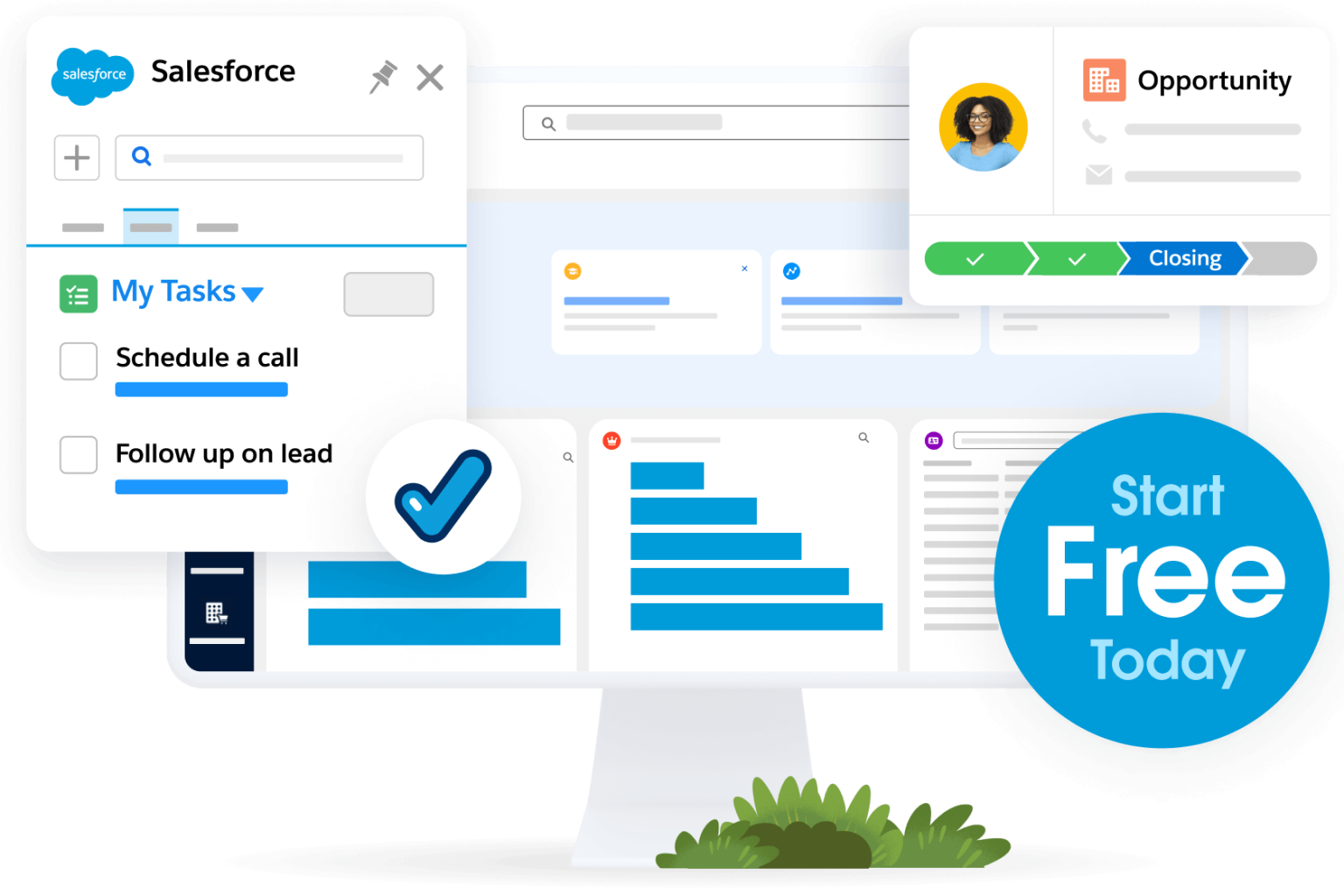
When you track CPL as one of your key performance indicators (KPIs), you get a clear picture of which campaigns are working and which ones are draining your marketing budget. It isn’t just about the number of people coming through the door, but the price you pay for each one. Using a customer relationship management (CRM) helps you keep these numbers organized so you can see the journey from the first click to the final sale.
Not to be confused with:
- customer acquisition cost (CAC)
- cost per click (CPC)
- cost per action (CPA)
- cost per impression (CPM)
How to calculate your CPL
Let’s take a look at the math.
Cost Per Lead (CPL) = Total Marketing Spend ÷ Number of Leads Generated
Calculating your total marketing spend starts with looking at your paid advertising, social media costs, and any software subscriptions used for outreach. For a growing company, these costs might include everything from search engine ads to the time your team spends creating content. By totaling these figures, you can see the price of your growth efforts.
Market your SMB with Salesforce AI


Once you have your total spend, you divide that by the number of people who shared their contact information with you. This gives you a benchmark to compare against your historical data or industry standards. Most businesses find that their costs fluctuate based on the season or the specific platform they’re using for their ads.
It’s helpful to break this down by channel to see where your money goes the furthest. You might find that email marketing has a much lower cost than paid social media ads, allowing you to shift your strategy toward more profitable avenues. Tracking these details in your CRM ensures that you aren’t just guessing about your performance but making decisions based on real-world data.
Why lead quality matters more than volume
A low price point is great, but if those prospects never buy anything, your investment is still lost. It’s better to pay a bit more for someone who’s ready to purchase than to pay very little for someone who will never become a customer. High-quality outreach focuses on reaching the right audience rather than just reaching the biggest audience possible.
- Higher close rate: A small number of high-quality leads who fit your ideal customer profile are far more likely to convert into paying customers than a large pool of unqualified prospects. This means less wasted sales time.
- Maximized ROI on limited budgets: SMBs have limited marketing spend. Focusing on quality ensures every dollar is spent reaching a prospect with a genuine need and intent to purchase, maximizing the return on investment (ROI).
- Lower sales cycle cost: Sales reps spend less time nurturing, educating, and filtering out bad leads. A high-quality lead is closer to being sales-ready, resulting in a faster, more efficient, and therefore less costly sales cycle.
- Better resource allocation: High volume requires more resources (time, staff, CRM capacity) to manage. Quality focus allows small teams to concentrate their energy on the most promising opportunities, preventing burnout and improving productivity.
- Improved customer lifetime value (CLV): Leads who are a strong fit for your product or service are more likely to become long-term, loyal, and satisfied customers, increasing their overall CLV and contributing to stable, sustainable growth.
The marketing CRM for small business is here.
Automate your marketing campaigns with a connected tool built for growing businesses.

Strategies to optimize your outreach budget
Lowering your expenses requires a mix of creative content and smart targeting. You can reduce your spend by refining your audience segments so your ads only show up for people who truly need what you’re selling. This prevents you from paying for clicks from people who are just browsing or who don’t fit your customer profile.
A-B testing your landing pages and ad copy is another effective way to get more value from your budget. By testing different headlines or images, you can find the combination that encourages the most people to sign up. Small changes in your conversion rate can lead to a significant drop in your overall expenses over time.
Investing in organic reach through helpful blog posts or community engagement also helps balance out your paid costs. When people find your business through a search or a recommendation, the cost to acquire them is often much lower than through a traditional ad. Combining these organic efforts with your paid strategy creates a healthy ecosystem for your CRM data to grow.
Grow your ambitions with the #1 AI CRM.
See what’s possible with the AI-powered CRM suite for growing teams.
Connect CPL to sales and marketing
For many companies, the disconnect between the people finding the prospects and the people closing the deals leads to high costs. If marketing is focused on volume and sales is focused on revenue, they might be working at cross purposes. Aligning these teams around a shared goal helps ensure that everyone is working to lower the cost of doing business.
Regular meetings to review the data in your CRM can highlight where the process is breaking down. If a specific campaign is bringing in plenty of names but zero sales, it’s time to pivot your strategy.
Sharing insights across departments also helps your service team prepare for the types of questions new customers might have. When every part of your business is informed by the same data, you can provide a seamless experience that builds trust. This trust leads to higher conversion rates, which naturally makes your outreach more affordable.
Cost per lead KPI examples
To effectively manage and optimize marketing spend, tracking CPL across various channels and campaigns is important to understand for any size team.
Here are some examples of CPL as a KPI:
- By channel: CPL varies significantly by source. For example, paid search often has a higher CPL (say, $33.00) but generates high-intent leads, while email marketing offers a very low CPL ($7.00) from existing subscribers. Overall here, the average CPL serves as a benchmark ($17.00).
- By campaign: Campaigns are measured against a Target CPL (say $20.00). A campaign like a “Q1 Product Launch” with a CPL of $15.00 is a success, while a “Retargeting Ad Set” at $25.00 signals a need for review and adjustment.
- Benchmarking: CPL tracking should compare current performance against historical data and a defined target CPL.
The AI Service CRM for
small business is here.


Use your CPL to predict future growth
Once you have a handle on your current metrics, you can start to project what your future growth will look like. If you know that spending a certain amount consistently brings in a specific number of customers, you can plan with more confidence, helping to secure funding or expand into new markets.
Detailed reporting allows you to see trends over months and years, helping you understand the long-term value of your marketing efforts. You might find that some prospects take a long time to decide but eventually become your most loyal supporters. Tracking these long term relationships helps you see the true impact of your initial spend.
Using AI to lower your costs
You can use artificial intelligence (AI) to score your prospects and prioritize the ones most likely to close. Using AI tools in your CRM system allows you to automate the vetting process so your team members can focus on building relationships.
Modern technology offers new ways to interact with prospects without needing a big team or a big budget. Agentforce 360 allows you to deploy digital assistants that can handle initial inquiries and gather information around the clock. This means your business is always open and ready to capture interest, even when you’re asleep.
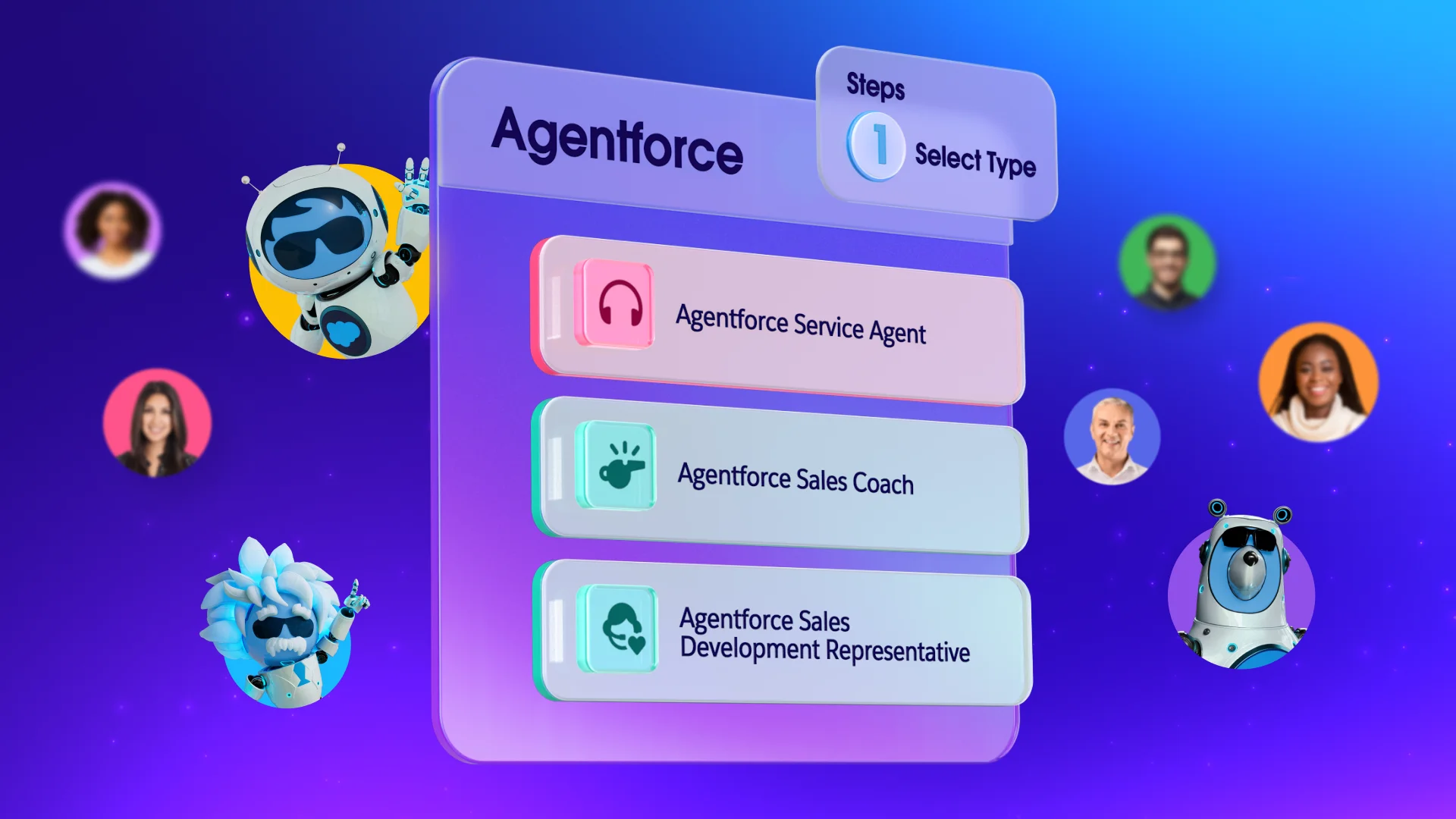
By automating the early stages of the funnel, Agentforce reduces the manual labor required to manage new contacts. This efficiency directly impacts your bottom line by lowering the amount of time and money spent on administrative tasks. Your team can then step in when a prospect is ready to have a deeper conversation.
With a CRM powered by Agentforce, you can ensure that no prospect falls through the cracks. Follow up instantly with relevant information, keeping the prospect engaged while they’re still thinking about your brand. Launch an employee agent (an autonomous AI tool to assist business) to keep your team organized and in the loop. And, you can set up a service agent to handle customer calls 24/7. From cost per lead, to cost per customer — Salesforce AI is there for you every step of the way.
Grow Your Business With AI Agents
Learn how autonomous AI can scale your small business for free in our latest e-book.
Find the right cost per lead, with the right tools
Mastering your cost per lead (CPL) is about more than just numbers; it’s about understanding your business’s ability to grow. When you know what it takes to find a new customer, you can make bold decisions about your future. By using the right tools and staying focused on quality, you can build a sustainable model that lasts for years. Keep testing, keep learning, and keep your data at the center of everything you do.
Start your journey with the Free or Starter Suite today. Looking for more customization? Explore Pro Suite. Already a Salesforce customer? Activate Foundations to try out Agentforce 360 today.
AI supported the writers and editors who created this article.
What is a good cost per lead?
A good figure depends entirely on your industry and the average value of your product. If your product sells for thousands of dollars, a higher cost is acceptable compared to a low-cost subscription service. You can research industry benchmarks to see how your business compares to others in your field.
How do I lower my marketing costs quickly?
The fastest way to lower costs is to stop spending on underperforming channels and double down on what works. Review your data weekly to find which ads have the highest conversion rates and shift your budget there. Focusing on your existing customer base for referrals can also bring in prospects at a much lower price.
Does social media marketing have a high cost?
Social media can be very affordable or very expensive depending on how targeted your ads are. If you reach a broad audience that isn’t interested in your niche, your costs will skyrocket. Narrowing your focus to specific demographics and interests usually brings the price down significantly.
Can AI really help a small business?
Yes, technology helps small teams compete with much larger companies by automating tasks that used to require a full department. It can handle everything from data entry to customer service inquiries, allowing you to stay lean and profitable. This efficiency is the key to scaling without a massive increase in overhead.
Should I track every single lead?
Yes, tracking every interaction gives you the most accurate data for your calculations. Even if a prospect doesn’t buy right away, knowing how they found you helps you understand the full reach of your brand. Over time, this data becomes your most valuable asset for making strategic decisions.