

Every new customer starts the same way — as a stranger with a problem to solve. The moment they find your brand, the clock starts. And for lean businesses, the difference between winning that customer and losing them to a competitor often comes down to one thing: How fast and how well you respond.
That’s not just a customer service challenge. It’s an ambition challenge. The businesses that grow are the ones that turn every touchpoint — every email, social comment, and web inquiry — into a moment that builds trust, not one that slips through the cracks.
Understanding your customer touchpoints is how you stop leaving those moments to chance. In this guide, we’ll break down what touchpoints are, how to make each one count, and how the right tools can handle more of the work so your team can focus on what matters most: turning first-time visitors into lifelong advocates.
Identify your primary customer touchpoints
The first step for any small and medium business (SMB) owner or startup founder is to list every place a person interacts with your brand. These customer touchpoints are the building blocks of your reputation and help you understand how people find your services.
Here’s a quick hit list of customer touchpoints in the digital age:
- Search engines and artificial intelligence overview (AIO) summaries
- Social media ads
- Website visits and web inquiries
- LLMs (ChatGPT, Claude, Gemini)
- Content (blog posts, white papers, and webinars)
- Subscribed emails and newsletters
- Product demos and trials
- Feedback loops and surveys
So, wait — you might be asking what’s the difference between a channel and a touchpoint? A channel is the place where the interaction happens, such as email or social media, while a touchpoint is the specific interaction itself. Understanding both helps you see where your marketing budget is best spent.
Digital marketing interactions
Most modern buyer journeys start online through search engines or social media ads. When a prospect clicks on an ad, they’re initiating one of the most common customer touchpoints in the early stage of the sales funnel. It’s important to make sure that the message they see matches the experience they have once they arrive on your website.
Content and education
Your blog posts, white papers, and webinars serve as helpful resources that build trust before a sale happens. These educational moments are vital customer touchpoints because they position your SMB as an expert in your specific field. If a startup provides value for free, the prospect is much more likely to return when they’re ready to make a purchase.
Navigate customer touchpoints in the consideration phase
Once a prospect knows who you are, they begin to compare your offerings to other options in the market. During this phase, the frequency and quality of your interactions will determine if they move forward or drop out of the process. They’re likely reading reviews of your product, or asking an LLM to help them figure out what to buy. Managing these specific customer touchpoints requires a balance of being helpful without being pushy.
By organizing these moments within a customer relationship management (CRM) system, your sales, marketing, and service teams can see exactly where a prospect stands. This allows your small team to act like a much larger organization by providing personalized attention at every stage of the sales cycle.
Direct sales communication
Personalized emails and discovery calls are heavy-hitting interactions that require a lot of focus from your sales reps. These customer touchpoints allow you to ask deep questions and tailor your pitch to the specific pain points of the buyer. Recording these notes in your CRM ensures that everyone on your team knows exactly what was discussed in previous meetings.
Product demos and trials
For many startups, the product demo is the most influential moment in the entire sales journey. This is a hands-on experience where the user sees your solution in action and decides if it fits their daily workflow. High-quality customer touchpoints at this stage should focus on showing exactly how the features solve the user’s biggest headaches.
Try a Sales CRM made for growing teams
Try Salesforce for small business sales to close more deals and win more customers, today.

Optimize customer touchpoints for long-term growth
The relationship doesn’t end once a contract is signed or a product is purchased. In fact, for an SMB, the post-purchase phase is where you build the recurring revenue that keeps the lights on. Focusing on these later interactions helps reduce churn and encourages more referrals.
Onboarding and support
How you welcome a new customer sets the tone for the rest of your professional relationship. Onboarding sessions and support tickets are important customer touchpoints that can either reinforce a buyer’s confidence or cause immediate regret. Quick response times and clear instructions show your users that you value their time and their investment.
Do you have an AI chatbot helping you with customer service 24/7? Consider activating AI tools in your CRM to answer questions and inquiries round the clock.
Loyalty and advocacy programs
Happy buyers are your best marketing tool, especially when you’re a small company looking to gain ground. By creating customer touchpoints around rewards or referral bonuses, you turn a single sale into a source of new leads. Reaching out for a review or a testimonial is a simple way to keep the conversation going long after the initial transaction.
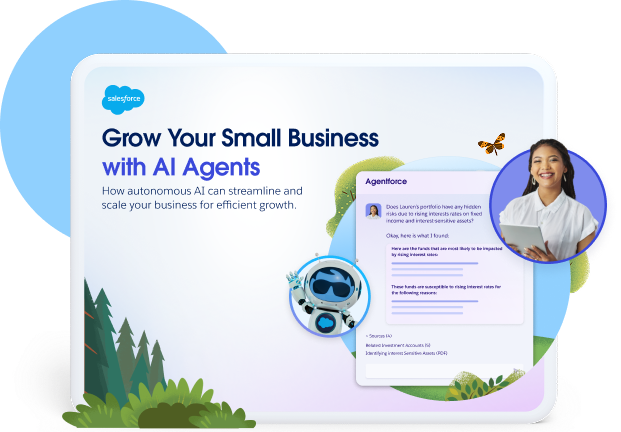
Grow Your Business With AI Agents
Learn how autonomous AI can scale your small business for free in our latest e-book.
Activate engagement with AI
Managing dozens of different interactions across multiple channels is nearly impossible to do manually. As your startup grows, you need a way to automate the busy work so your team can focus on building real human connections. Modern tools help you see the entire history of a person’s journey in one single view.
Integrate your data and collaboration
When your marketing, sales, and service data live in separate silos, your buyers end up repeating themselves every time they talk to a new person. A central business platform allows your team to see all previous customer touchpoints and respond with context and empathy. This allows a small team to provide better experiences that rival larger corporations.
Prepare for smarter interactions
The next step for many growing businesses is incorporating artificial intelligence (AI) to help handle routine tasks. By using smart tools, you can predict which leads are most likely to convert based on their previous interactions. This helps your SMB spend time on the most promising opportunities rather than chasing every single lead.
Here’s a list of AI features that can help you with customer touchpoints:
- AI lead scoring: Analyze conversion and purchase patterns to predict which new leads are most likely to convert, allowing small teams to prioritize their outreach within the CRM.
- Automated follow-ups: Ensure no deal slips through the cracks by automating reminders at the optimal time based on customer behavior.
- AI analytics: Track customer behavior and revenue trends to uncover high-impact opportunities and provide accurate sales forecasting.
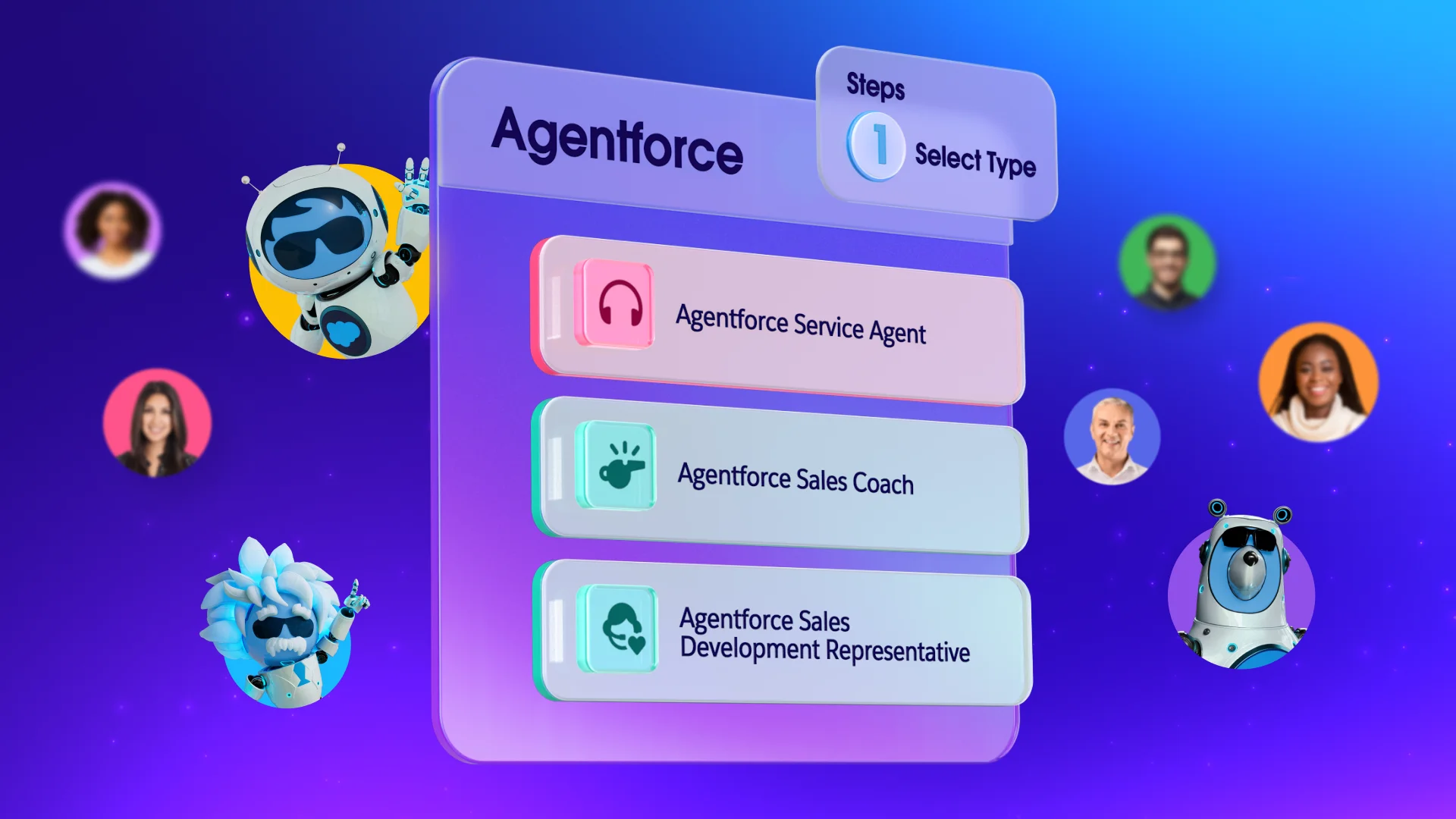
- AI chatbots and employee agents: Assist your team with routine internal tasks like case summarization and email drafting.
- Hyper-personalized recommendations: Effortlessly suggest products and tailor messaging across emails and texts based on a customer’s specific purchase history and browsing habits.
Refine your strategy for the entire customer journey
The landscape of how people buy things is always changing, which means your strategy must change too. Regularly reviewing your data helps you see which interactions are working and which ones are being ignored by your target audience.
Activate feedback loops and surveys
The best way to know if your interactions are hitting the mark is to ask the people experiencing them. Sending a quick survey after a support call or a purchase provides valuable insights into your customer touchpoints and where they might be failing. Listening to this feedback shows your community that you’re committed to getting better every day.
Scale your outreach
As you bring on more team members, keeping the voice of your brand consistent across all channels becomes a bigger challenge. Establishing clear guidelines for all customer touchpoints ensures that every person who talks to your company gets the same high level of care. This builds a brand identity that people can trust as you expand into new markets.
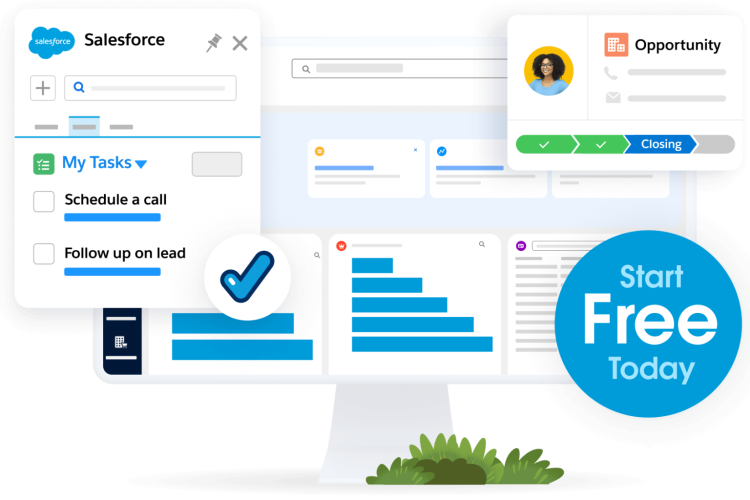
Try Salesforce for free.
See how growing businesses are using Salesforce Suites to scale fast. No credit card required, no software to install.
It all starts with Starter Suite.
Thank you!
Try for freeSalesforce is here for every touchpoint
No matter where you are in your sales process, every prospect matters. Every little bit of interest could mean lasting loyalty. Learn how to maximize your customer touchpoints with the right tools (and take the heavy lifting off your team).
Get started with Salesforce for free or activate Foundations to try out Agentforce today.
AI supported the writers and editors who created this article.
What’s the difference between a channel and a touchpoint?
A channel is the medium where the interaction happens, such as email or social media, while a touchpoint is the specific interaction itself. Understanding both helps you see where your marketing budget is best spent.
How many touchpoints does it take to make a sale?
While it varies by industry, many experts suggest it takes between seven and thirteen interactions before a prospect is ready to buy. For an SMB, this means staying persistent and providing value at every step.
Why should a startup track every interaction?
Tracking interactions allows a startup to identify patterns in buyer behavior and improve the sales process. It also ensures that when a new team member joins, they have the full history of every lead.
Can small businesses automate their touchpoints?
Yes, automation tools can handle repetitive tasks like sending welcome emails or appointment reminders. This frees up your staff to handle more complex needs that require a personal touch.
How does AI help with managing the buyer journey?
AI can analyze vast amounts of data to suggest the best time to reach out to a prospect. It can also help draft responses or summarize long email chains to keep your team organized.