

A recent Salesforce study found that small businesses using a prioritization framework reported a 20% increase in productivity, so it got us thinking: How do entrepreneurs, leaders, and startup founders really prioritize productivity? Lo and behold, we looked it up and the Eisenhower Matrix was the first strategy recommended. So we decided to dig in further.
The Eisenhower Matrix is named after President Dwight D. Eisenhower, who once said, “I have two kinds of problems, the urgent and the important. The urgent are not important, and the important are never urgent.” The rubric that came of this is a visual way to sort tasks and determine what you should do, decide, delegate, or delete. So let’s dive into what the Eisenhower Matrix is and what it can mean for you and your team.
Understanding the Eisenhower matrix
The core of the Eisenhower Matrix rests on distinguishing between two criteria: importance and urgency. For a startup or small business owner, understanding this difference is the first step toward reclaiming your schedule and focusing on strategic work.
Urgent tasks demand immediate attention
These tasks are time-sensitive, often come with the pressure of deadlines, and typically put you into a reactive mode. For example, a customer’s website issue, a last-minute request from a key stakeholder, or a sudden system outage all feel urgent.
Important tasks contribute to your long-term goals
These tasks are what help your business move forward, like developing a new sales strategy, investing in your customer relationship management (CRM) system, or training your team. While they may not scream for attention right now, neglecting them has serious long-term consequences for your growth.
The power of the matrix lies in combining these two factors into four distinct quadrants, offering a clear path to action for every item on your to-do list. This simple structure helps your small business move from scattered effort to focused execution across all parts of your portfolio, including sales, service, marketing, commerce, and productivity.
Get Slack for Small Business.
Growing teams can take business to the next level.

The 4 quadrants of the matrix
There are four quadrants of the Eisenhower Matrix: do, decide, delegate, and delete. Use this framework to allocate your time and focus on what gets you results:
1: ‘Do’ tasks (urgent and important)
This quadrant is where you handle crises and deadlines that directly impact your business’s success. These are the tasks that need to be done now and cannot be ignored.
For an SMB, this might include fixing a critical bug in your commerce platform, responding to a high-priority service ticket, or closing a major sales deal before the end of the quarter.
Successfully managing these tasks often relies on having excellent data and communication tools, such as the real-time insights provided by a modern CRM system. For example, if your marketing team notices a sudden drop in website traffic, the urgent and important task is to immediately diagnose and resolve the issue.
2: ‘Decide’ or ’plan’ tasks (not urgent and important)
This is the sweet spot for strategic growth and long-term business health. These tasks are vital for your future, yes, but don’t have an immediate deadline, so they require scheduling and proactive planning.
Examples include creating a detailed small business marketing plan, training employees, developing new products, or optimizing your sales pipeline processes. Investing time here is an investment in your company’s future; it reduces the number of future crises that land in the previous tasks.
3: ‘Delegate’ tasks (urgent and not important)
These tasks are noisy and interruptive, giving the illusion of importance because of their urgency – but they don’t contribute to your core business goals.
For an SMB leader, these are often tasks that someone else can handle. The goal is to protect your time for the ‘do’ tasks by passing these ‘delegate’ tasks to others. This is where internal tools, workflows, and clear processes become essential, allowing you to hand off tasks efficiently. Think of tasks like routine administrative work, most email replies that aren’t critical, or attending meetings where your presence isn’t strictly necessary.
4: ‘Delete’ or ‘drop’ tasks (not urgent and not important)
This quadrant is the simplest: these are the time-wasters that provide little to no value. Your best course of action is to eliminate or severely limit these tasks to free up resources for more meaningful work.
For a small business, this could be aimlessly scrolling through industry news, spending too much time perfecting a minor detail, or engaging in non-essential, low-impact communication. While some downtime is necessary, tasks that continually land here are draining your time and attention from the first two tasks.
Get Salesforce free for 30 days.
No credit card required, no software to install.

Applying the matrix to your small business operations
Successfully integrating the Eisenhower Matrix into your daily workflow requires more than just understanding the quadrants; it requires practical application across your core business functions. A CRM helps you quickly assess the true importance and urgency of tasks related to leads, existing customers, and operational needs.
Sales and lead management prioritization
Your sales team faces constant prioritization challenges, determining which leads to call and which deals to push. A lead that is ready to buy now is a ‘do’ task (urgent and important). However, updating your sales playbook or analyzing pipeline metrics is a ‘decide’ task (important but not urgent) — it’s critical for future performance. Using a CRM for small business sales can automatically score leads, helping you instantly categorize them.
Optimizing service and customer experience
In service, urgency is inherent – but the matrix helps you determine importance. An outage affecting all customers is task one, demanding immediate action. However, designing a proactive customer service journey or updating your help center articles are ‘decide’ tasks — important for reducing future incidents. Routine follow-up emails that can be templated and sent by a junior team member fall into the ‘delegate’ quadrant.
Strategizing marketing and commerce efforts
Marketing and commerce tasks often struggle with defining urgency. Launching a holiday promotion with a fixed date is the first task. However, building out a long-term content strategy or overhauling your commerce storefront’s user experience are important for the ‘decide’ quadrant. Unnecessary meetings about minor ad copy changes often fall into the ‘drop’ quadrant.
Integrating the Eisenhower matrix with AI
For small businesses and startups to truly master the Eisenhower Matrix, it can’t live on a whiteboard alone. It must be integrated into the technology and tools you use every day. Salesforce provides a comprehensive portfolio across sales, service, marketing, commerce, and productivity that acts as the perfect engine for operationalizing this prioritization framework. By connecting your tasks directly to customer data and business outcomes, you can instantly assign the correct quadrant to any activity.
CRM for task assignment and tracking
Use custom fields in your CRM to tag tasks as “urgent” or “important.” This allows you to create filtered views that automatically sort your to-do list into the four quadrants.
For instance, a sales task tied to a high-value opportunity closing this week is automatically flagged as a priority task. By centralizing task management in your CRM, your entire team gains a unified view of priorities, reducing confusion and enabling seamless delegation. This ensures that everyone, from the sales representative to the service agent, is focused on the highest-value work.
Automating delegation with AI
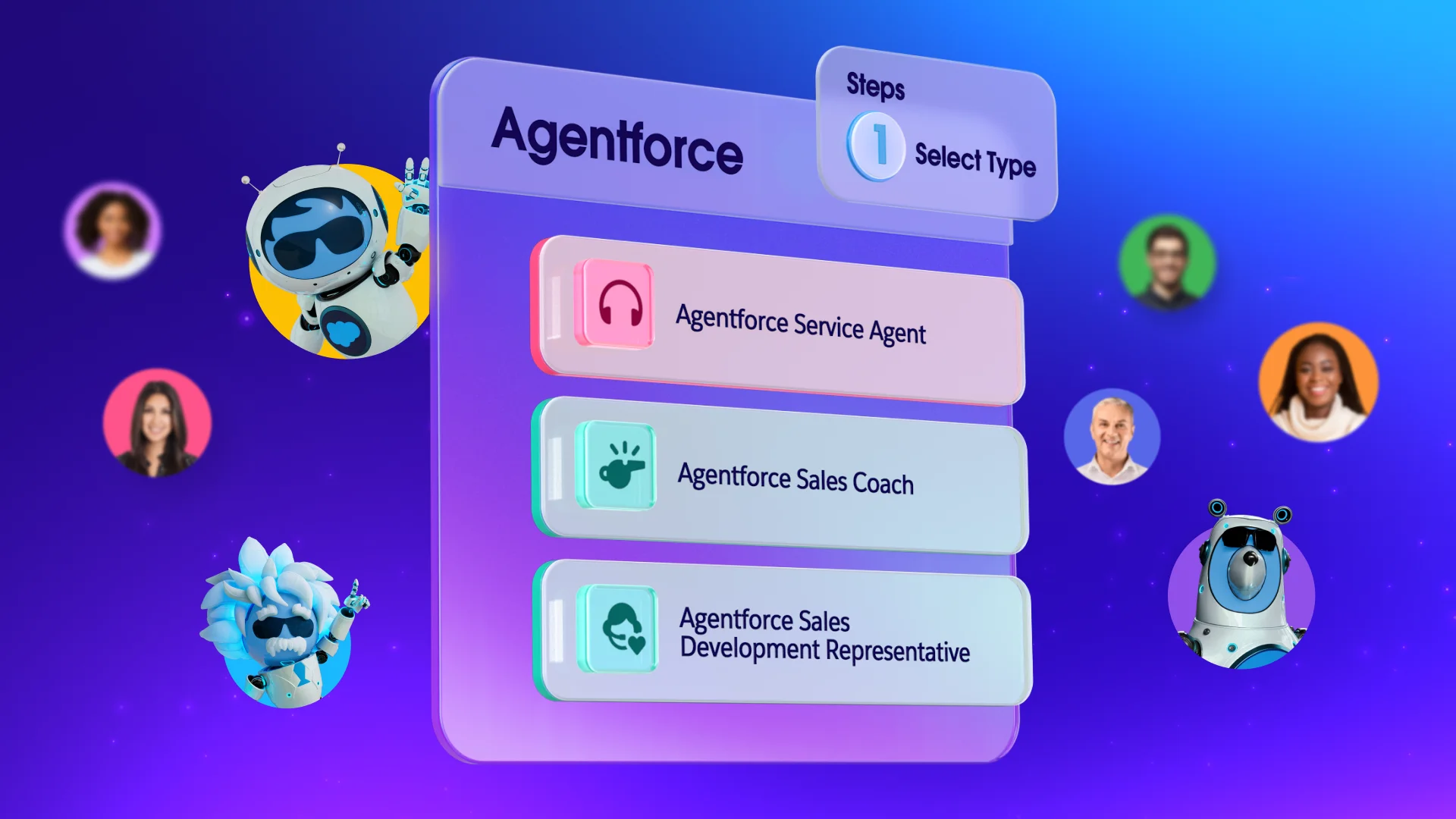
Automation is the key to effectively managing ‘delegate’ and ‘delete’ tasks. For a small team, digital labor and artificial intelligence (AI) can take on many routine, urgent, but not important tasks. Agentforce 360 can be configured to automatically handle routine customer inquiries, triage and route service tickets, and even schedule follow-up emails.
By offloading these delegated tasks to an AI agent, you free up your team to focus on complex, high-touch customer interactions and strategic planning. This allows your business to scale its productivity without immediately scaling its headcount.
The long-term impact of consistent prioritization
The Eisenhower Matrix is a continuous practice that takes you and your team from reactive to intentional by filtering tasks through importance and urgency. Take these tips, strategies and tools and move toward revenue generation and customer loyalty. With the right tools, anything is possible.
Get started with Salesforce Suites for free or activate Foundations to try out Agentforce 360 today.
AI supported the writers and editors who created this article.
How is the Eisenhower Matrix different from a standard to-do list?
A standard to-do list simply records tasks, often leading to a focus on the easiest or most recent items. The Eisenhower Matrix adds two layers of analysis — urgency and importance — forcing you to prioritize tasks based on their impact on long-term business goals, rather than just their proximity to a deadline. It’s a strategic framework, not just a running list.
Can a small business use the Eisenhower Matrix without a dedicated CRM?
Yes, you can start using the matrix immediately with simple tools like a spreadsheet or a whiteboard. However, integrating it with a CRM, like Salesforce Pro Suite, makes it much more effective, tying tasks to customer data and revenue impact.
What is the most common mistake small businesses make when applying the matrix?
The most common mistake is over-populating ‘do’ tasks and neglecting ‘decide’ tasks. When this happens, a business gets stuck in a constant state of crisis management.
How does the matrix help with delegation in a small team?
The matrix clearly identifies ‘do’ tasks. These tasks, which are often noisy and interruptive (like routine administrative work or non-critical emails), can be safely delegated to other team members or automated using tools. This protects the leader’s time for work, while also empowering and developing the skills of the rest of the team.
What role does AI play in applying the Eisenhower Matrix?
AI automates the ‘delegate’ and ‘delete’ quadrants. AI agents can handle urgent but not important tasks (like routine customer service inquiries) or flag low-value tasks for elimination. This ensures your human team focuses on high-impact ‘do’ and strategic ‘decide’ work.