Top AI News of 2025: The Year Things Got Real

This was the year we stopped asking “What can AI do?” and started asking “What should we do with it?” and “How do we do it?”
The evidence is in the posts that dominated your attention on The 360 Blog this year. The most-read posts were about implementation — the messy, unglamorous work of getting AI to operate reliably in the real world.
The throughline is unmistakable: In 2025, AI moved from the lab to the line of business, from theoretical one-off agents to the agentic enterprise, and from standalone tools to interoperable AI systems that will soon talk to each other.
You cared about whether your AI agent could handle edge cases, and how small businesses could use AI to grow.
All of this suggests we’ve crossed the chasm, where AI is no longer a tech story but an operational and strategic one. And we’re now knee-deep in the hard work required to make AI deliver on its promise.
A look ahead to 2026
So, what’s next? Salesforce experts say 2026 will usher in fully orchestrated, multiagentic enterprises where agents move from task masters to outcome owners. Among other predictions: Companies will appoint chief relationship officers, and AI models will be imbued with spatial intelligence to allow them to operate in the physical world.
Organizational readiness for AI will also take center stage, as the gap between those that conquered implementation and those that chased flashy demos widens. A few companies are already ahead. According to McKinsey, “The leaders breaking through and realizing value from AI are redesigning how growth happens by integrating AI agents into their workflows.”
The technology is here. The question is whether your business is ready to use it. If the following headlines resonated with you, you’re already asking the right questions. Now, here’s what mattered most to you in 2025.

10. AI for Startups: Use Cases for Growing Businesses

Small businesses face a perennial problem: how to compete with established players who have infinitely more resources. With 90% of small and midsize businesses now using AI to automate and scale critical functions, it’s become the great equalizer. This post outlines nine key AI use cases that flip the script. It shows how AI empowers your team to strengthen customer relationships, boost productivity, and gain the speed and operational reach once reserved only for larger enterprises

9. Is Your Agent Production-Ready?

How do you know if your AI agent will behave the way you expect it to once it’s in production? The answer takes a page straight out of the traditional application lifecycle management (ALM) playbook: testing, testing, and more testing. But unlike a conventional software app, testing an agent means grappling with a few curveballs — namely, hallucinations. This post helps you avoid nasty surprises. It explains how unit and scale testing validate the soundness of your agent’s building blocks, and evaluate the agent’s performance across different scenarios.

8. How Enterprise General Intelligence Will Form a New Business Imperative
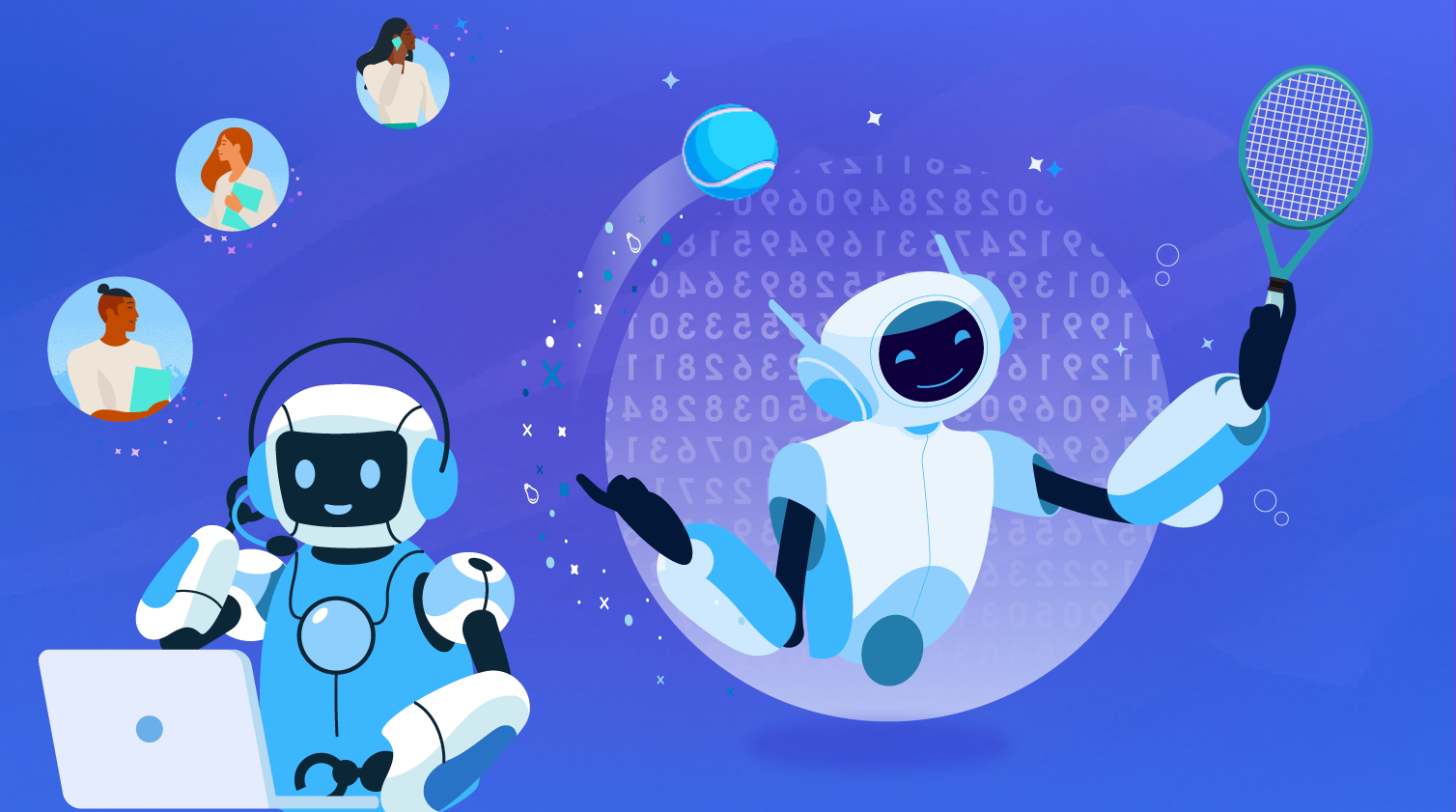
We often imagine AI as an all-knowing, ever-improving intelligence — the sci-fi version of artificial general intelligence depicted in films like “Her.” But the reality for enterprise leaders is a focus on enterprise general intelligence (EGI), the idea where trust is the measure of success. EGI demands excellence across two dimensions: capability and consistency. Capability is the power to navigate complex systems and reason with business rules, and consistency delivers reliable, predictable results without unexpected failures, or “jaggedness.” This post explains that EGI, while not as sexy as Hollywood’s version of superintelligence, is the key for businesses.

7. The Agentic Enterprise Starts With What You Already Have
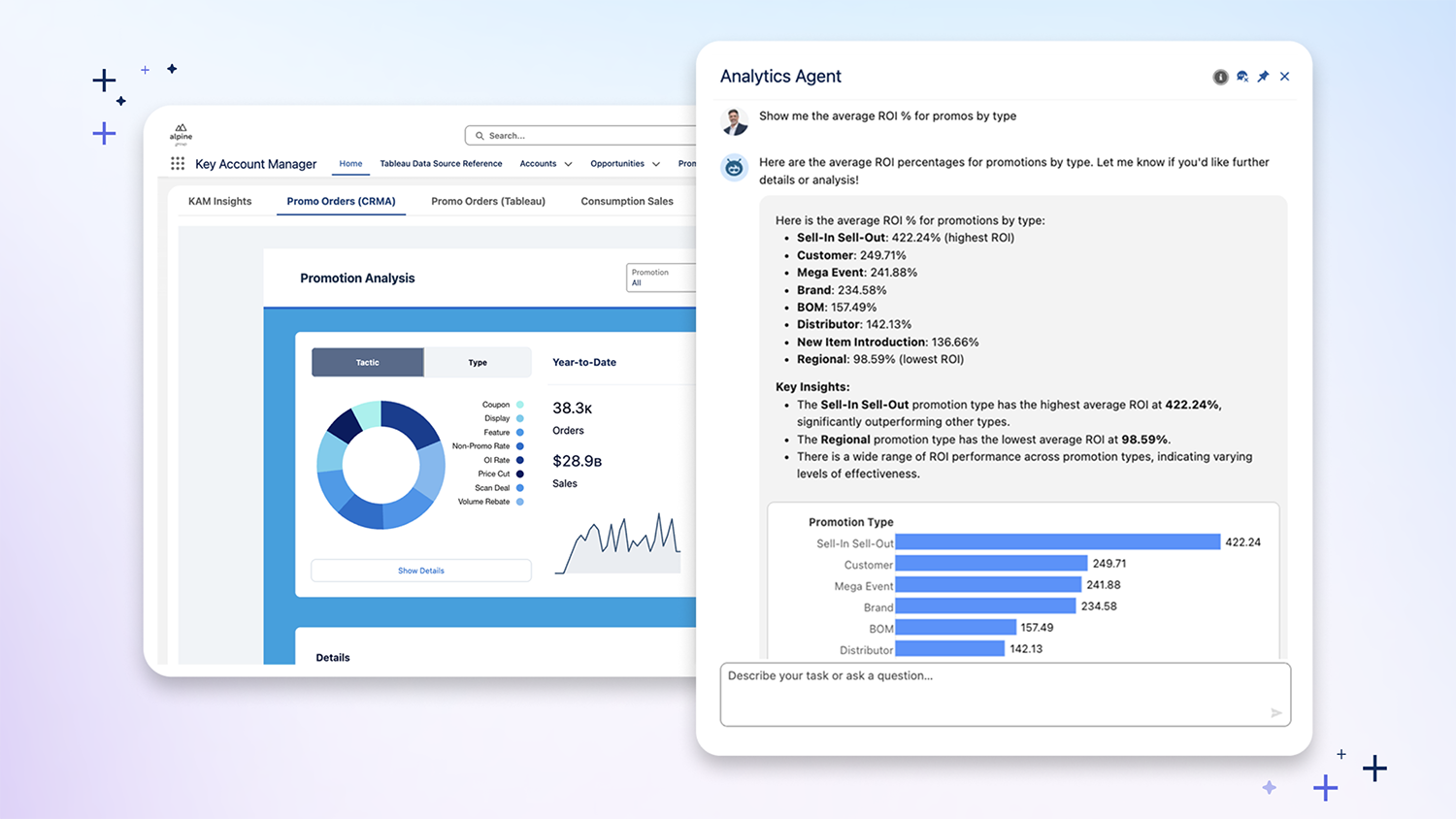
It may be one of the biggest myths about AI: You need to rip out your existing infrastructure and start from scratch. In fact, building an agentic enterprise doesn’t require demolition. It requires connection. This post explains how to make your existing analytics infrastructure AI-ready through interoperability. Two capabilities make this work: an open data layer, and Tableau Semantics that turn raw numbers into context and meaning. The payoff? You can amplify and leverage the work you’ve already done.

6. When Agents Speak the Same Language: The Rise of Agentic Interoperability

The next frontier of AI is orchestrating teams of AI agents that can reason and execute tasks together. The challenge is the lack of interoperability standards. Enter Agent2Agent (A2A), the industry’s first agent interoperability protocol, championed by more than 50 partners including Salesforce and Google. This initiative breaks down vendor walls, allowing agents to collaborate across platforms. It drastically accelerates time-to-value, cuts integration costs, and provides unified governance. The upside? It ensures that agents, no matter who built them, can communicate as effortlessly as users sending emails between Gmail and Outlook.

5. Tech Partner Guide to the Summer ’25 Release

The popularity of this post, which summarizes key benefits of the newest Salesforce technologies, demonstrates your interest in practical content that shows how to build trusted AI. It’s everything infrastructure developers need to take AI into production. We explain enhancements to Agentforce, Data 360, developer experience, and digital wallet, as well as a beefed-up Agentforce Testing Center.

4. Human-AI Collaboration: 4 Ways to Master One of Today’s Hottest Skills
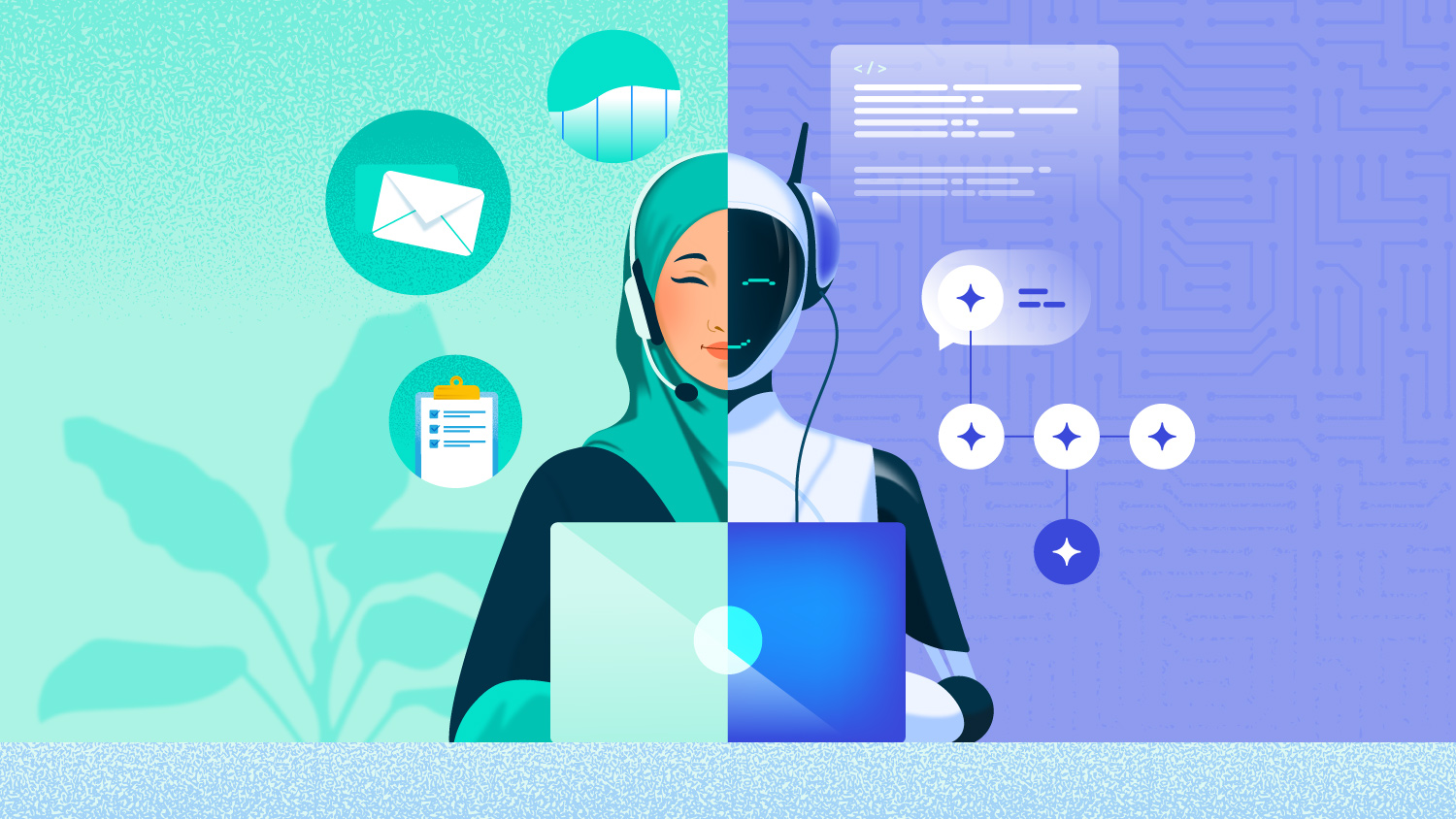
AI brings speed, pattern recognition, and tireless task-mastering to work, while humans bring judgment, empathy, creativity, and strategic nuance. Together, they achieve outcomes neither could alone, and the most successful teams will be the ones that meld the two. This post shows real examples of that successful partnership, including a consultant who saved hours by using AI to manage her inbox, and a sales team that used AI to cut its close time by a third.

3. The Agentic AI Era: After the Dawn, Here’s What to Expect
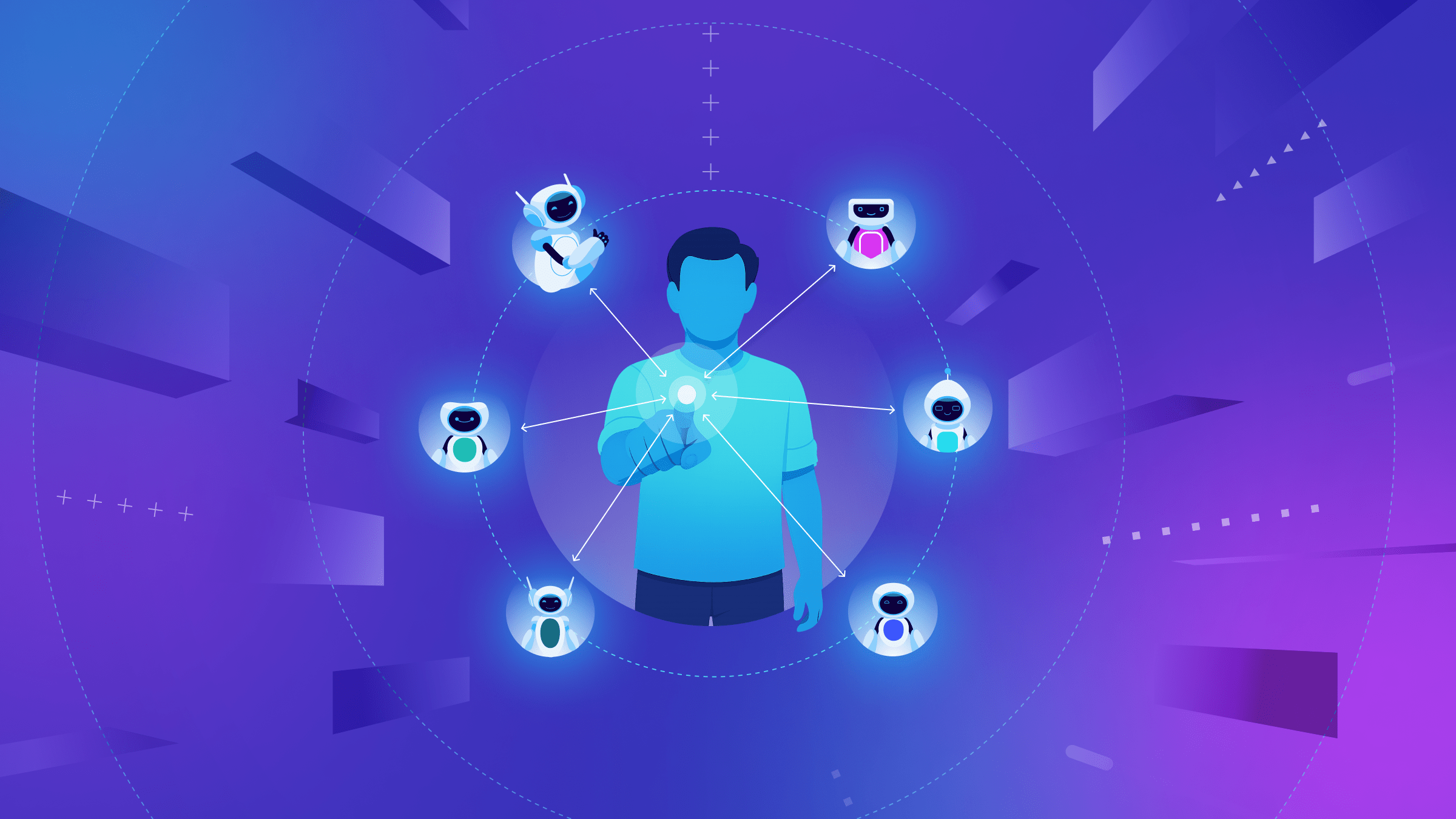
We’ve now reached the third wave of AI — agentic — which builds on the power of predictive and generative AI. Silvio Savarese, Salesforce’s chief scientist, explains that the agentic AI evolution will unfold in three stages: specialized agents that master a specific task, multiagent systems that collaborate on multistep tasks, and enterprise-level orchestration that rewrites how businesses operate. What does this progression look like, and what will it take to succeed in each phase?

2. The Agentic Future Demands an Open Semantic Layer
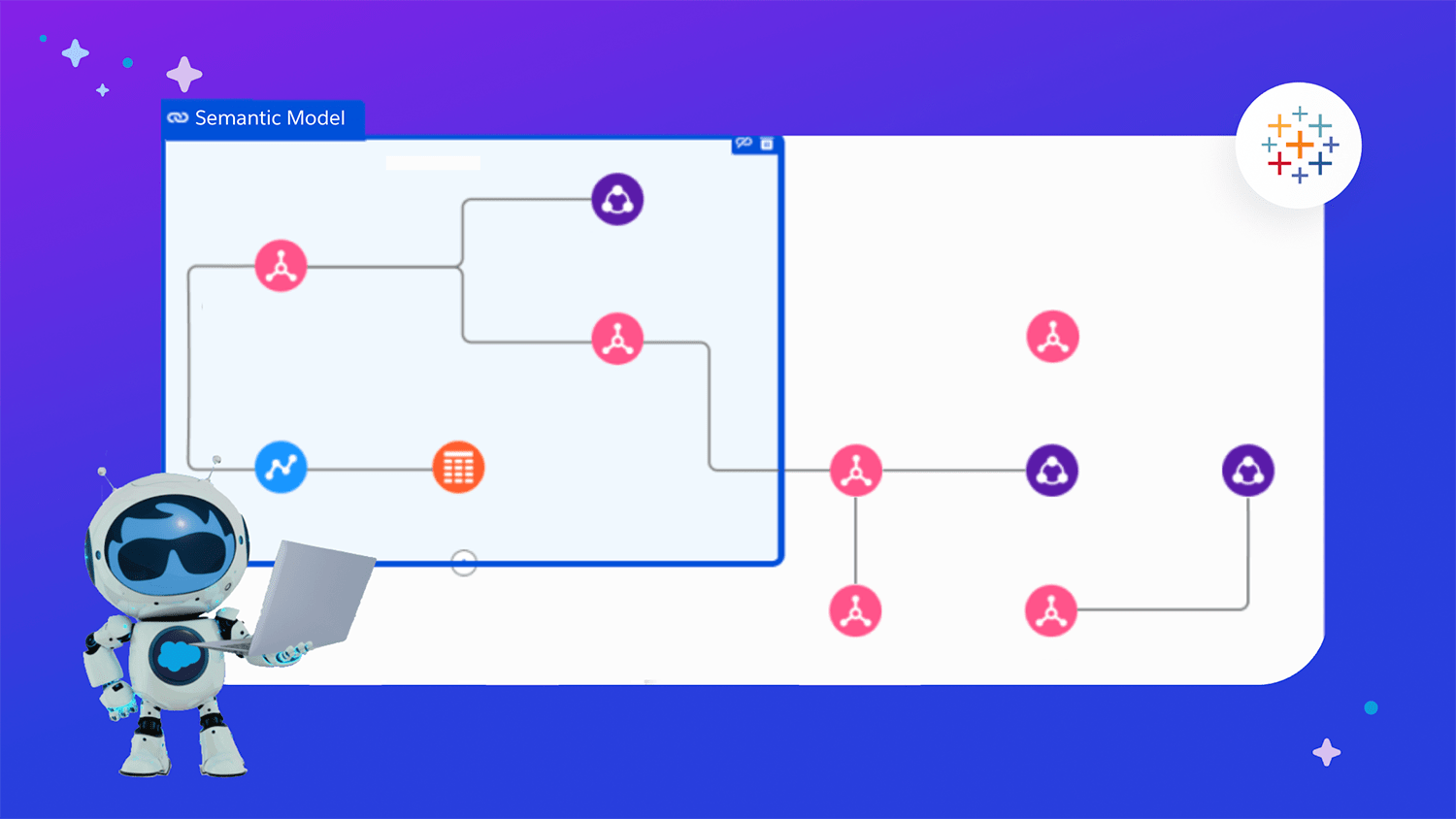
As AI agents graduate from surfacing insights to analyzing, reasoning, and taking action on their own, the biggest challenge becomes context: making sure everything means the same thing across your business. And most companies are dealing with a disconnect. A basic term like “customer churn” can mean something different in every system. If humans find that confusing, so does AI. Enter the Open Semantic Interchange (OSI). It creates a shared language that all your AI tools can understand. You define a term once, and it’s consistent across your dashboards, agents, apps, and platforms.

1. AI CRM and the Future of Small Business
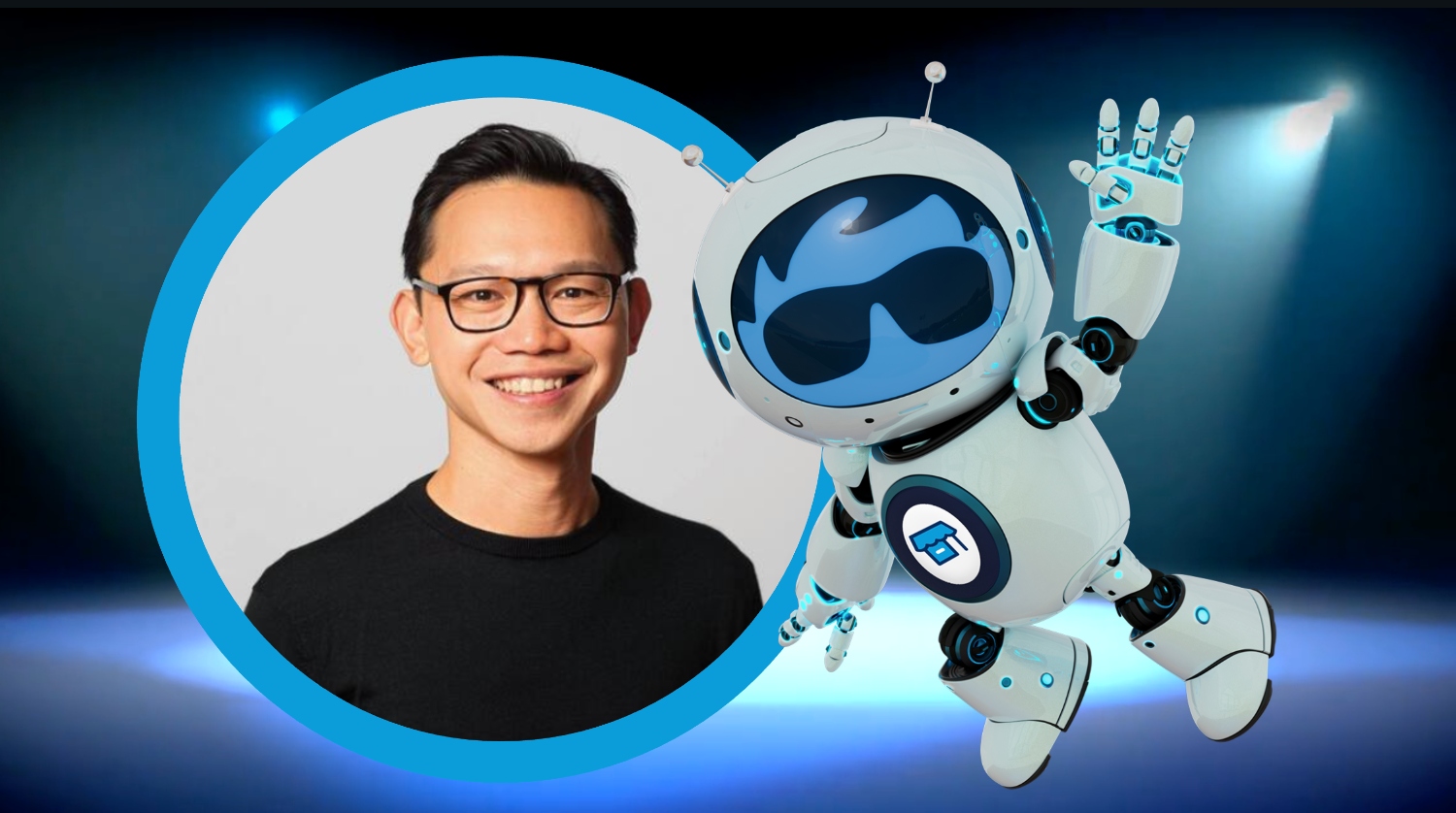
It’s no surprise this was our most-read post of the year. Small and midsize businesses are the backbone of the U.S. economy, and you’re clearly eager for practical guidance on how technology can help you stay competitive. There’s plenty of noise about AI, but what SMBs really want is clarity, simplicity, and tools that make their work easier.
How are small businesses using AI and CRM to work smarter and grow faster? Boon Lai, CMO and GM at Salesforce, identifies what’s holding them back — limited time, small or no teams, and rising customer expectations — and shows how AI and CRM help by automating repetitive tasks and giving SMB leaders more space to focus on what matters.
What’s your agentic AI strategy?
Our playbook is your free guide to becoming an agentic enterprise. Learn about use cases, deployment, and AI skills, and download interactive worksheets for your team.