

Key Takeaways
Considering vibe coding your customer relationship management (CRM) system? Before you jump into Gemini, consider the implications for your future. We certainly know the value of having a customized business management tool, but when you Frankenstein something together based on an open platform, things can get messy. And unsafe.
You might find yourself piecing together software based on your personalized needs or trying to find a quick fix rather than a long-term plan. This approach — often called vibe coding — might help you move fast at first, but it quickly creates a tangled web that may not be scalable. Here are a few reasons to consider leaving your CRM to the professionals.
What’s vibe coding, again?
Vibe coding is where you use natural language prompts to tell an AI assistant what to create, rather than manually writing every line of code. This approach allows a small business founder to “vibe” with an AI tool to generate apps or workflows in minutes by focusing on the desired outcome rather than the underlying syntax. While this speed is great for a startup launching a quick prototype, relying entirely on it can lead to messy, unorganized systems that are difficult to manage as your company scales.
As a small and medium business (SMB), you need a foundation that supports your growth rather than holding it back. When you vibe code a CRM, you risk losing sight of your customers because your data lives in silos. It’s time to look at why a more intentional strategy for yourCRM is the better path to your company success.
The risks when you vibe code CRM systems
When you decide to vibe code CRM functions, you may prioritize speed over structure. This often results in a platform that works for you but confuses the rest of the team. Without clear fields or processes, your sales team might record notes in different places, making it impossible to see a clear picture of your pipeline.
AI Tools for Small Business


- Accumulated technical debt: Code generated through quick prompts lacks proper documentation, making it nearly impossible for a new developer to fix or update later.
- Fragile data architecture: Without a structured schema, your AI may struggle to produce accurate insights because your data sits in inconsistent, siloed formats.
- Security and compliance gaps: When you vibe code CRM security logic, you risk overlooking critical permissions and data privacy standards like GDPR, that are built into professional platforms.
- Integration roadblocks: Connecting your custom-vibe system to essential tools for each team often requires expensive, manual middleware because the underlying code doesn’t follow standard API protocols.
- Lack of official support: If your vibe-coded workflow breaks during a peak sales period, there’s no help desk to call — leaving your team stranded until you can manually debug the AI-generated logic.
How manual coding creates technical debt for startups
Every time you choose a shortcut to workflows, you’re essentially taking out a high-interest loan on your future productivity. Small businesses often think they’ll fix the messy parts later, but later rarely comes before the system breaks. This technical debt grows until your team spends more time fixing errors than actually talking to prospects.
The hidden costs of unorganized systems
- Integration headaches: Connecting your marketing tools to a poorly structured database usually requires expensive custom work.
- Slower onboarding: New hires take twice as long to learn the ropes when the software logic only exists in your head.
- Security gaps: Loose coding practices can lead to permissions errors, putting your sensitive customer info at risk.
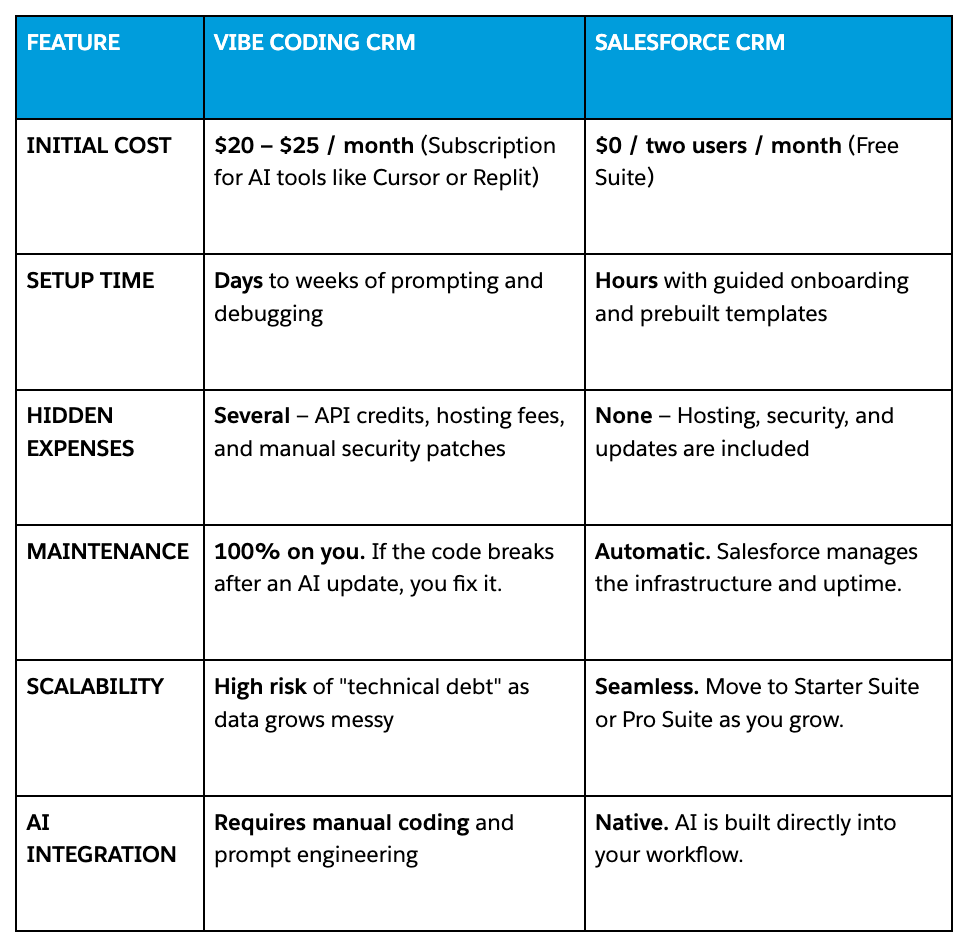
Here’s a breakdown of the two paths. While vibe coding feels like a free-ish shortcut, the long-term “integration tax” and maintenance often outweigh the cost of a managed platform like Salesforce.
Alternatives to “vibing” your way to CRM
Vibe coding is fun for a weekend hobby project or to assist you with tasks, but for an SMB, the “vibe” often shifts from excitement to stress when the system crashes during a sales peak. When you vibe code CRM infrastructure, you’re responsible for the backend, the data security, and the API connections. One wrong prompt can lead to a siloed database that costs thousands of dollars for a professional developer to untangle later.
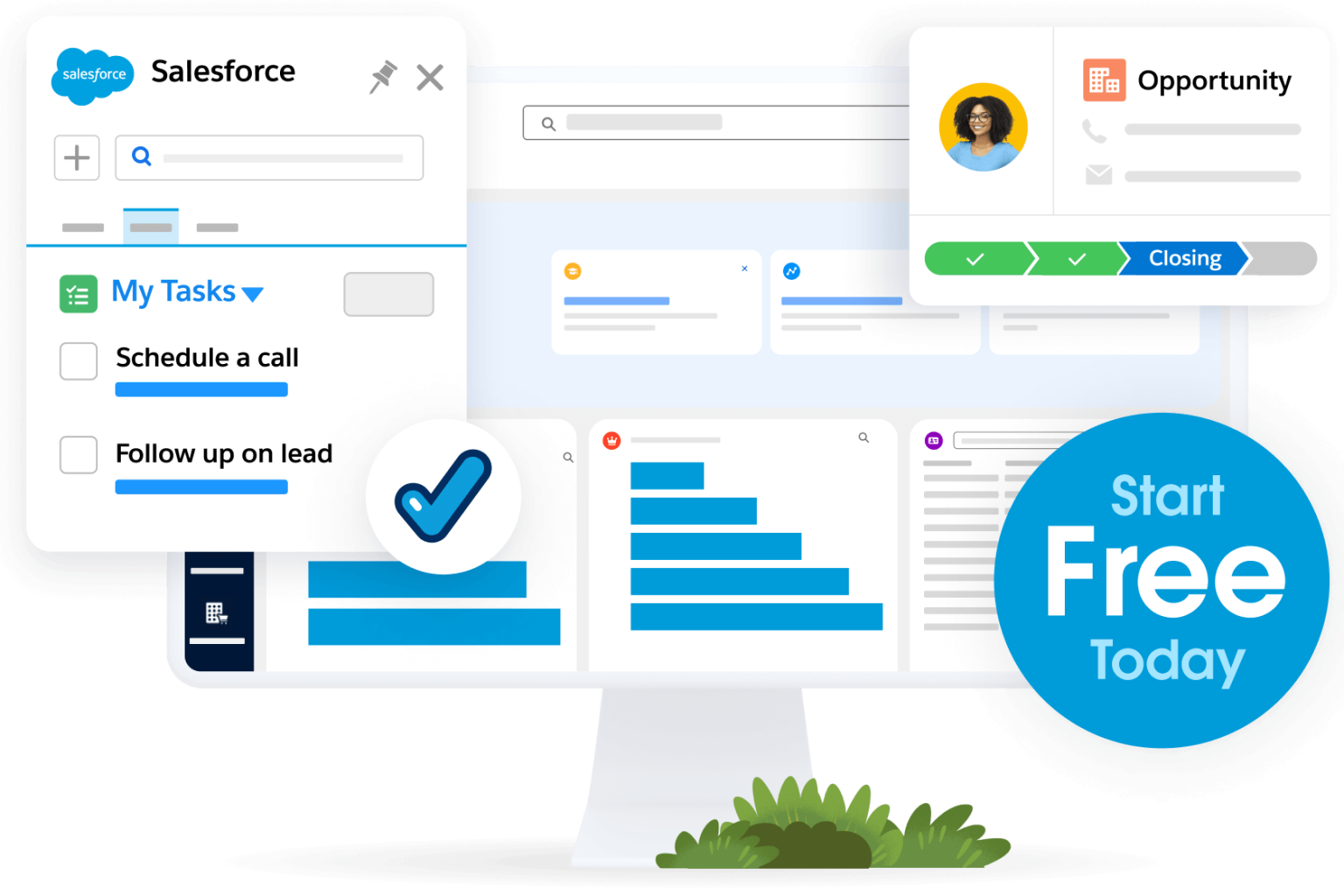
By contrast, using a CRM like Salesforce Starter Suite sales, service, and marketing tools in one place, plus enterprise-grade security for the price of a streaming subscription. You get to focus on selling and marketing while AI helps reduce manual work like data entry and lead prioritization.
Starter Suite includes professional features that are nearly impossible to replicate through vibe coding without significant, ongoing manual effort and risk. Specifically, you get enterprise-grade security and compliance (like built-in GDPR readiness), automatic infrastructure maintenance and uptime guarantees, and native, seamless AI integration — features that require expert-level system design and constant updates, saving your small business from accumulating paralyzing technical debt.
Kickstart your SMB with Starter Suite
See results from day one with a CRM designed for SMBs — the all-in-one suite for productivity. It all starts with Starter Suite.
Investing in your startup’s future
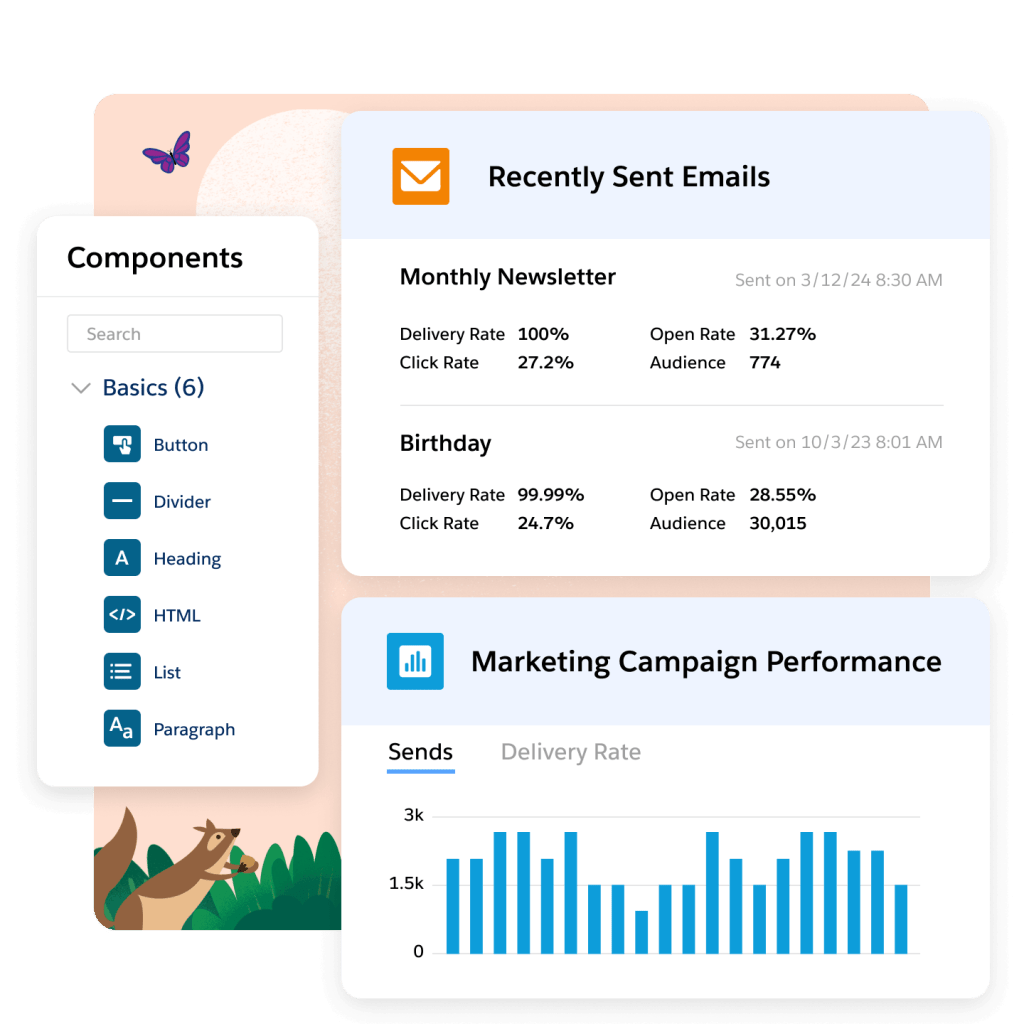
For startups that need more than the basics but aren’t ready for a full enterprise rollout, Pro Suite offers a middle ground. It includes everything in Starter, plus advanced automation, reporting, and sales forecasting, helping growing teams scale their processes without stitching together custom tools. This prevents you from needing to vibe code CRM patches as your team expands from two people to twenty. You get a reliable system that grows with you, backed by the global leader in sales, marketing, commerce, and service.
Ready to go Pro?
Level up your CRM with the top-rated Pro Suite — the customer platform that scales with you.
Try out an AI CRM
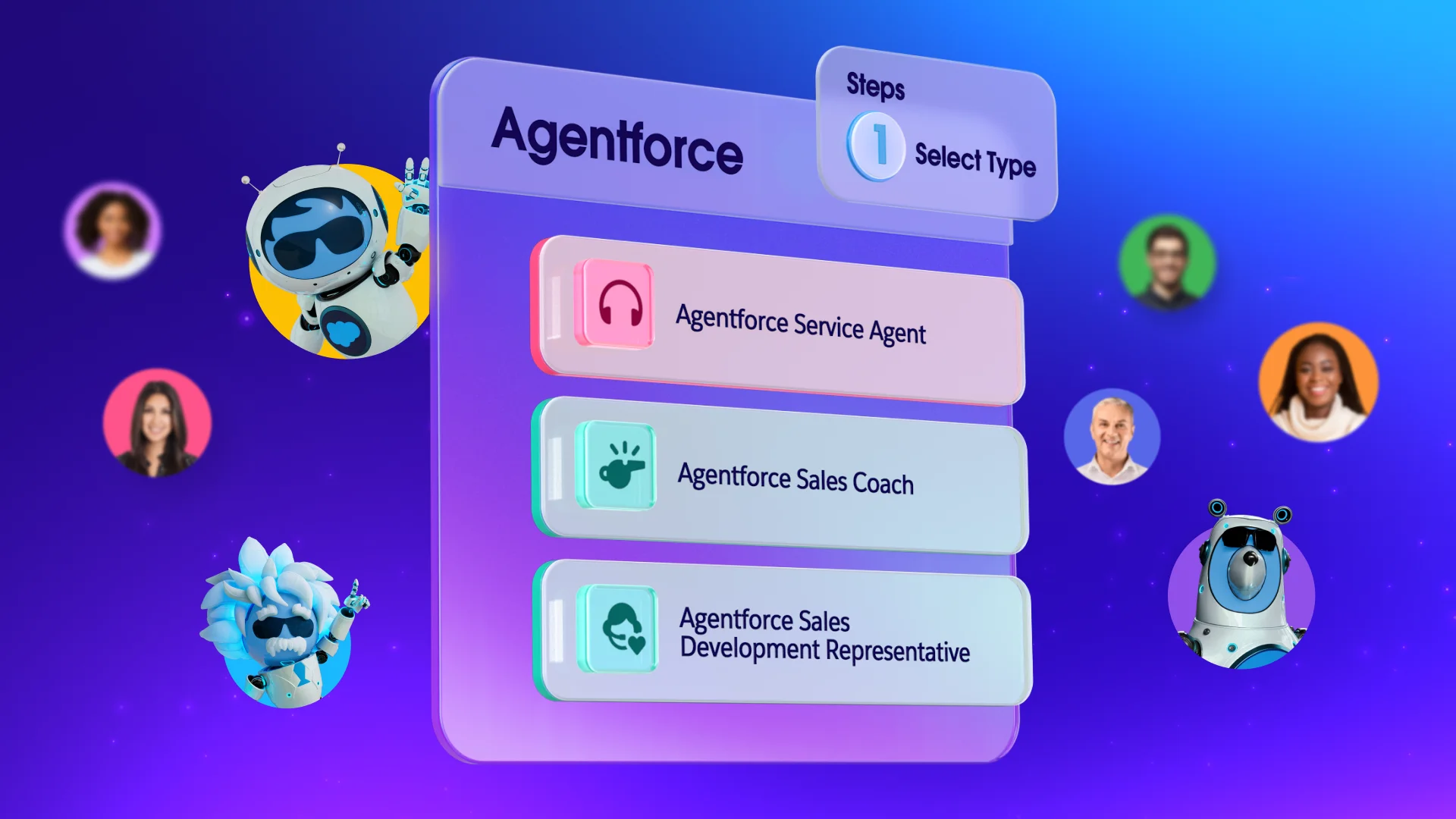
If you really want to get “smart”, try out an AI-ready CRM. As you mature, you can move away from manual work and toward autonomous helpers. Agentforce 360 allows you to deploy digital assistants that handle routine queries and data entry. This means your team can spend their time on creative problem solving and high-level strategy rather than fighting with a system someone tried to vibe code your CRM into existence.
Activate autonomous agents
- 24/7 support: Provide answers to your customers even when your small team is offline.
- Data enrichment: Let your agents find and update missing information in your records automatically.
- Scalable interactions: Handle a sudden surge in leads without needing to hire a dozen new employees overnight.
CRM: Leave it to the professionals
In the end, your business is only as strong as the data that supports it. Choosing a professional path over a “vibe” ensures that your small business has the tools it needs to compete with much larger companies. By investing in a structured platform early, you set the stage for years of sustainable growth and innovation.
Start your AI journey with a free trial of Starter Suite today. Looking for more customization? Explore Pro Suite. Already a Salesforce customer? Activate Foundations today to try Agentforce 360.
AI supported the writers and editors who created this article.
What exactly does vibe coding mean in a business context?
Vibe coding refers to setting up software or writing scripts based on immediate intuition or “vibes” rather than following a documented plan or best practices. For a small business, this usually results in a messy system that is hard for anyone other than the creator to use or fix.
How can a small business start fixing a messy system?
The first step is to stop adding new custom fields and start auditing your existing data to see what is actually being used. You can learn more about cleaning up your records by exploring Trailhead modules designed for data management.
Is it expensive for a startup to move away from vibe coding?
While there is an initial investment in time and software, it is much cheaper than the long-term cost of lost leads and technical debt. Modern platforms offer scalable pricing that grows only as your business grows.
Can AI help if my data is already unorganized?
Yes, certain tools can help identify duplicate records and suggest ways to standardize your information. However, the AI works best when you have a basic structure in place to guide its learning.
How often should we review our CRM processes?
A quarterly review is usually enough for most small businesses to ensure their systems are still meeting their needs. This allows you to make small adjustments before they become major problems.