
This one is for the service professionals. The customer support teams. The contact centers. Yes, this one is for you: Introducing the Service for Small Businesses Playbook. The Salesforce research team, along with experts in the service industry, put together a playbook that helps small service teams serve their customers with expert care (and the right tools). We know life is busy, so we wanted to share three key takeaways from the playbook so you can get started today.
Here are three small business service playbook insights worth testing this week.
What is the Small Business Service Playbook?
The Small Businesses Service Playbook is an actionable guide designed to help growing businesses rebuild customer service from the ground up. It provides a blueprint for building a service strategy on trust, covering everything from setting SMART service goals to hiring the right talent.
Our favorite quote from the playbook:
Most importantly, the playbook explores the modern support strategies like activating agentic self-service, integrating AI agents for 24/7 coverage, and focusing customer communication channels through a connected customer relationship management (CRM). It’s all happening for service — let’s dive in.
Get the Service for Small Business Playbook


Takeaway #1: Start with self-service
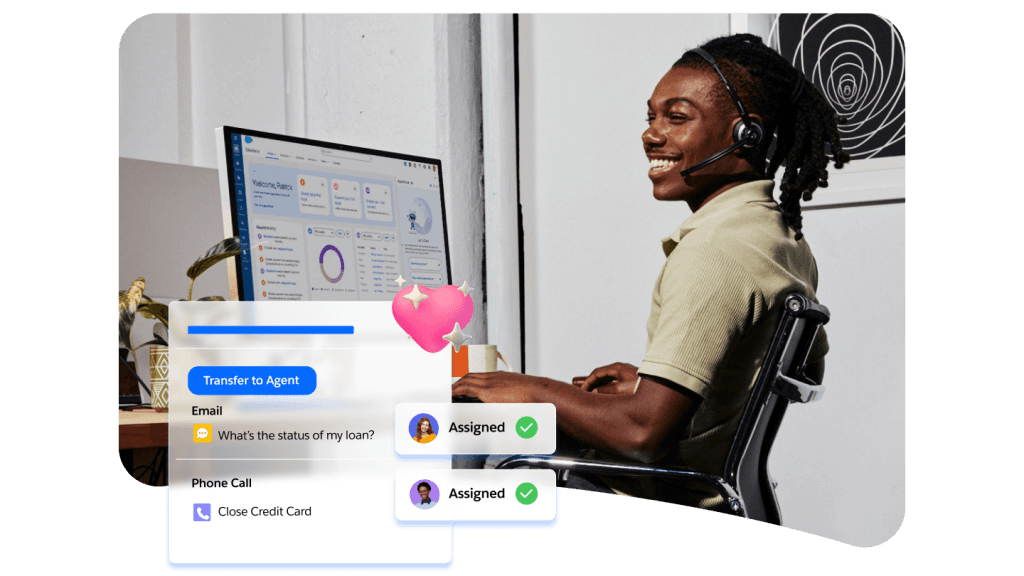
Most support tickets aren’t complicated — they’re repetitive. A customer wants to know your return policy, hours, or order information. One of the clearest playbook takeaways is to give customers an agentic self-service experience: Instant answers, automated actions like starting a return, and smart escalation.
- Start with your top questions: Look at your last month of tickets and answer the ten questions that show up again and again.
- Keep it searchable: A help center only works if customers can find it — plain language beats clever category names.
- Update it like a living document: Add new answers as your product or policy changes, not once a year (or get an AI agent to do that).
Takeaway #2: Let AI agents cover the gaps
Here’s the part that’s changed fastest: Artificial intelligence (AI) support tools used to mean clunky chatbots that frustrated customers more than they helped. That’s not the case anymore.
According to the playbook, 66% of service organizations report using agentic AI today, up from just 39% a year earlier. AI agents can handle routine questions, escalate complex issues when needed, and provide around-the-clock support, freeing your team for the moments that need a human. For small teams, this matters more than it sounds like it should. Assistive AI can help your team with recommendations, tailored replies, and conversation summaries, so they make smarter decisions faster.
Takeaway #3: Hyperfocus your channels
The third of these service playbook insights isn’t a tool at all — it’s discipline. Trying to keep customers happy across every platform spreads a small team too thin and invites long wait times. Instead, direct customers to the same few channels you can respond to frequently, and phase out the ones nobody’s using.
The playbook cites that 88% of customers say good service makes them more likely to buy again, and 72% say they’ll stay loyal to companies that respond faster. Being reliably fast on a few channels beats being spread thin across all of them. You can do this with connected tools on AgentExchange, the store where all agents and apps live for your business tools.
The AI Service CRM for
small business is here.


Get the small business service playbook (for free)
Self-service, AI agents, and focused channels are just the starting point. The Service for Small Businesses Playbook goes deeper into building a strategy that gives your customers a great experience, and that’s really what it’s all about.
AI supported the writers and editors who created this article.
What is small business customer service, exactly?
It’s how a small or midsize business (SMB) handles support requests, questions, and complaints — everything from a help center to a live chat conversation. For lean teams, it usually means doing more with fewer dedicated support staff.
Do I need AI tools to improve customer service for small business?
No, but they help a lot. Self-service pages and clear processes go a long way on their own, and AI agents add speed and after-hours coverage once you’re ready to layer them in.
How do I know which support channels to offer?
Start with wherever your customers already are — email and phone are still common, but many small businesses are adding chat and social support based on customer habits. Track where requests come in and expand from there.
What’s the biggest small business customer service mistake?
Letting support and sales operate off separate systems. When teams can’t see the same customer history, service gets slower and customers feel it immediately. A connected artificial intelligence (AI) and data setup fixes this at the root.
Is Agentforce only for large companies?
No — Agentforce is built into Salesforce Suites for small businesses and startups, with no separate setup required. You can read more in this guide to Agentforce for small business.