
Knowing how to write a welcome email is an art form. It’s how you turn that quick yes into a real relationship. What does your welcome email include? Do new customers even open it? We hope so.
What’s the science behind the perfect welcome email? This guide covers what a welcome email is, what goes in it, how artificial intelligence (AI) can help you write it in minutes, and where to go for more help with email marketing.
What’s a welcome email and why does it matter?
A welcome email is the first message a person gets after they join your list, make a purchase, or create an account. It’s the start of a welcome series, and it lands when interest is at its peak. Welcome emails get opened more than almost anything else you’ll send, which makes this the cheapest chance you’ll ever get to build trust.
Types of welcome emails to consider
Different business goals call for different types of welcome messages. Here are four common options to consider:
- New subscriber or prospect: A simple hello that thanks the subscriber, sets expectations for future emails, and introduces your brand’s core mission.
- New customer or onboarding: Shares helpful resources, top tips, or product guides to help new customers get value from day one.
Today, we’re focusing on the welcome email to your new customer. Your email can be automated from a marketing customer relationship management (CRM) tool, like Salesforce. You can actually get help drafting and sending these emails. We’ll chat about it about that later. Let’s dig in.
The parts of a welcome email that work
Every strong welcome email is built from a handful of simple pieces. Keep each one short.
- A subject line that sounds human: Skip the shouting. “Welcome to the shop, Sam” beats “WELCOME!!! Open now.”
- A warm, specific greeting: Use the person’s name and say why they’re hearing from you.
- One clear next step: One button. One action. Whether it’s a first-order code, a quick guide, or a booking link, don’t make people choose from five.
- A sentence about who you are: Tell them what you stand for in plain language. A real founder voice beats polished brand speak.
- Easy ways to reach you: Tell them they can simply reply. That’s where loyalty starts.
Welcome email tips for new customers
Send it right away. Within minutes is ideal, because the sign-up is still fresh in their mind. Then write it the way you’d talk to someone walking into your shop: friendly, brief, and focused on them.
Set expectations, too. If you’ll send weekly tips, say so. If you’re sending a three-part series, say that. And follow the federal email rules for businesses, including an easy unsubscribe link, so trust stays intact from the first hello.
Here’s a quick example. A neighborhood bakery sends a welcome email within five minutes of sign-up: a photo of the owner saying thanks, one line about the shop’s story, and a button for 10% off their next order. That’s it. It’s short, it’s personal, and it gives the reader one thing to do.
The marketing CRM for small business is here.
Automate your marketing campaigns with a connected tool built for growing businesses.

Benefits of using AI to write a welcome email
You know what to say. Finding the time is the hard part. That’s where AI agents come in. The email authoring agent, available in Salesforce Suites, lets you create professional marketing emails just by talking to it — no blank page, no design degree.
Answer three quick questions about your goal, tone, and email type, and it drafts the subject line, preheader, body, and call to action (CTA) right next to your email canvas. Want it punchier? There’s a prompt for that. Need a first-name greeting? Ask for a merge field in plain words. And if you’d rather take the wheel, switch to manual mode anytime for full layout control.
- Speed: Go from a few words about your offer to a finished draft in one session, not an afternoon.
- Consistency: Keep your tone steady across every email in the series.
- Personalization: Use what you already know about each customer to make the message feel written for them.
- More time for the human parts: You review, tweak, and add your own story. The agent handles the first draft.
Where does the welcome email take you (and your customer)?
The welcome email often serves as the entry point for automated drip campaigns designed to nurture long-term customer loyalty. No pressure. Once a subscriber completes the initial sign-up, the CRM tags their record with relevant attributes — such as product interest, sign-up location, or initial purchase history. These tags allow the system to automatically assign contacts to specific audience segments.
As a result, the following emails in your drip sequence automatically adapt to deliver targeted, relevant content that keeps customers engaged over time. It’s marketing magic.
Resources and help with email marketing
If you want to go further than one email, start with these resources:
- 6 Email Marketing Campaigns Every Small Business Needs: A walkthrough of welcome series and other nurture journeys.
- Agentic marketing from Salesforce: See how agents help create audience segments, emails, and campaign summaries.
- Salesforce for small business: Sales, service, marketing, and commerce tools in one place.
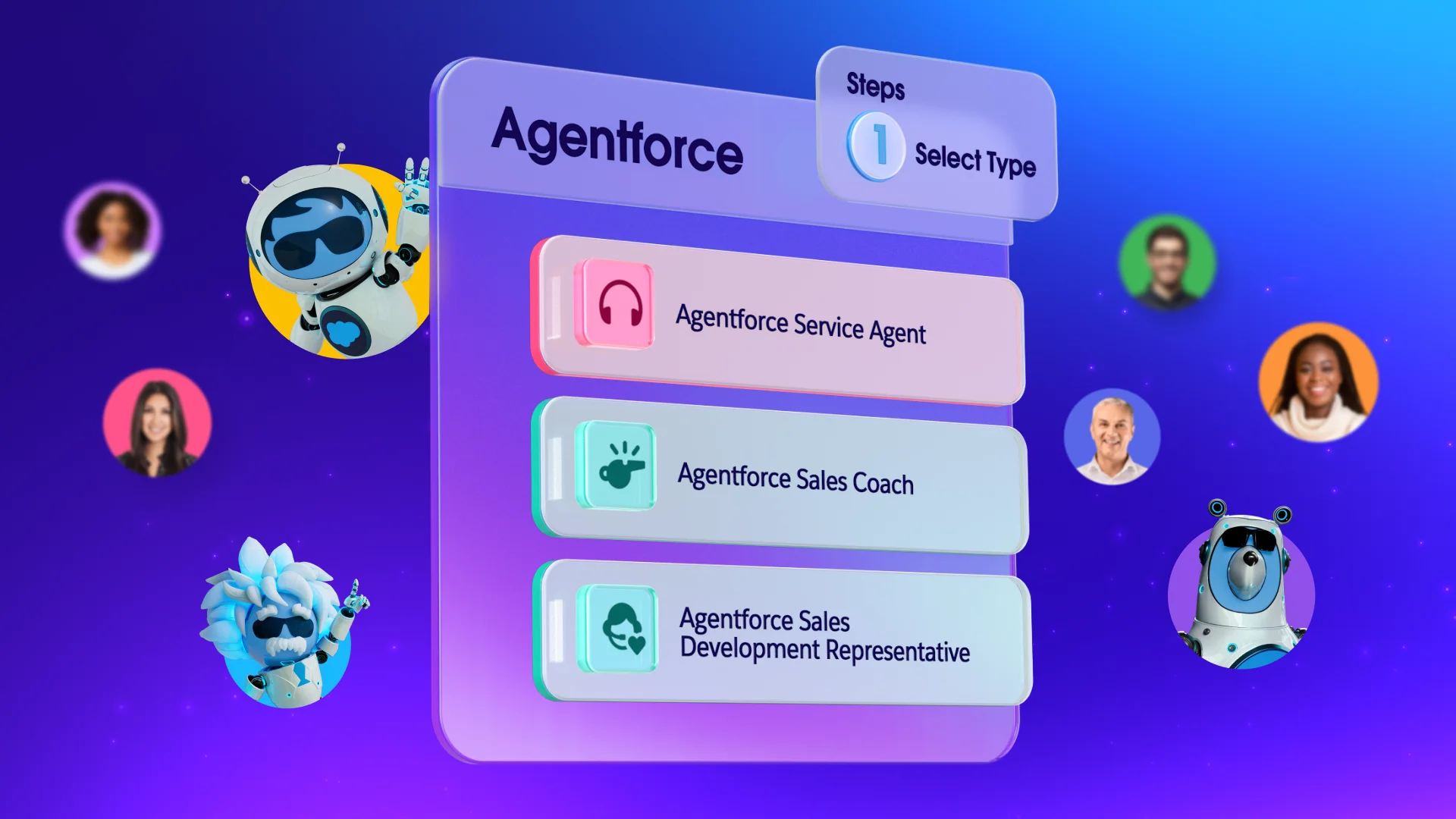
Want a teammate to help you pull it all together? Ask Agentforce Coworker to find the right customers, draft the follow-up, and call in the email authoring agent when it’s time to write. It already knows your business from day one.
Write a welcome email that earns trust at the get-go
The best welcome email doesn’t try to sell everything. It says thank you, sends a personal touch, and gives people one good reason to stay. Write a welcome email this week, send it fast with CRM, and let your new customers see the ambition behind your business.
Get started with Starter Suite for free or activate Foundations to try out Agentforce today.
AI supported the writers and editors who created this article.
How long should a welcome email be?
Keep it under 200 words. One greeting, one idea, and one button is plenty.
When should I send a welcome email?
Right away, ideally within minutes of sign-up. Interest fades fast, so automate it so it never waits on your calendar.
Should a welcome email include a discount?
It can. A first-order offer gives new customers a reason to act, but a helpful guide or a friendly story works too. Pick whichever fits your business.
Is one welcome email enough? A
short series of two or three emails usually works better. Get ideas from the Salesforce small business blog, then space your emails a few days apart.
Can AI write a welcome email for me?
Yes. The email authoring agent in Starter Suite and Pro Suite drafts your subject line, preheader, body, and CTA from a few quick answers. You still review it, add your personal touch, and hit send.