


Key Takeaways
Business owners, founders, and leaders — your most valuable, yet often untapped asset, is the voice of your customer. Every support chat, product review, social media comment, and survey is a piece of data that, when connected, forms a map of how to improve and where to grow your business.
But who has the time to manually sift through all of this data? This is the challenge: moving beyond simply collecting feedback to truly understanding what it means and, most importantly, what to do next. Let’s dig into what it means to analyze your customer feedback.
What is customer feedback and why does your SMB need it?
Customer feedback is information from your customers about their experience with your product. It can be collected in a variety of ways, from dedicated forms to social media comments to informal comments made in person. Whatever the format, they provide direct, unfiltered insights into the customer experience, product performance, and service effectiveness.
Now, imagine having a full-time analyst dedicated to reading every piece of feedback and instantly delivering the top three priorities for your team, whether it’s a new feature request, a service gap, or a friction point in your sales journey. This level of insight is no longer reserved for large enterprises. For startups and small businesses, the integration of artificial intelligence (AI) and large language models (LLMs) into your customer feedback analysis process turns anecdotes into narrative, and sentiment into strategy, giving you the power to not just keep up with the competition, but to pull ahead.
How to turn customer feedback into actionable growth
The primary goal of gathering customer feedback isn’t just validation; it’s to find the pain points that, when fixed, lead to loyalty, increased spend, and valuable word-of-mouth marketing. For a small and medium business (SMB), this feedback is your strategic roadmap, helping you prioritize limited resources.
Small business service at your fingertips


Why feedback is so valuable for growing businesses
It identifies revenue leaks, for starters. A common issue found through analysis might be a complicated checkout process on your commerce site, leading to abandoned carts. Fixing this directly stops a leak in your sales funnel.
And it fuels product development. When multiple customers across support chats and surveys ask for the same new feature, that collective voice is a strong signal that you should build it next. For a startup, this ensures development efforts are directly tied to market needs.
Statistics show that the power of listening cannot be overstated. According to recent Salesforce data, 80% of customers say the experience a company provides is just as important as its products and services. Small businesses that use customer feedback effectively are building those superior experiences.
Wherever you are — just get started.
No matter where you are on your journey as a business owner, you can get started with Starter Suite for free — the CRM made for growth.

How to use AI and large language models for customer feedback analysis
The sheer volume and variety of customer data can be overwhelming. This is where AI and LLMs can make a serious difference.
Automate sentiment analysis and groups
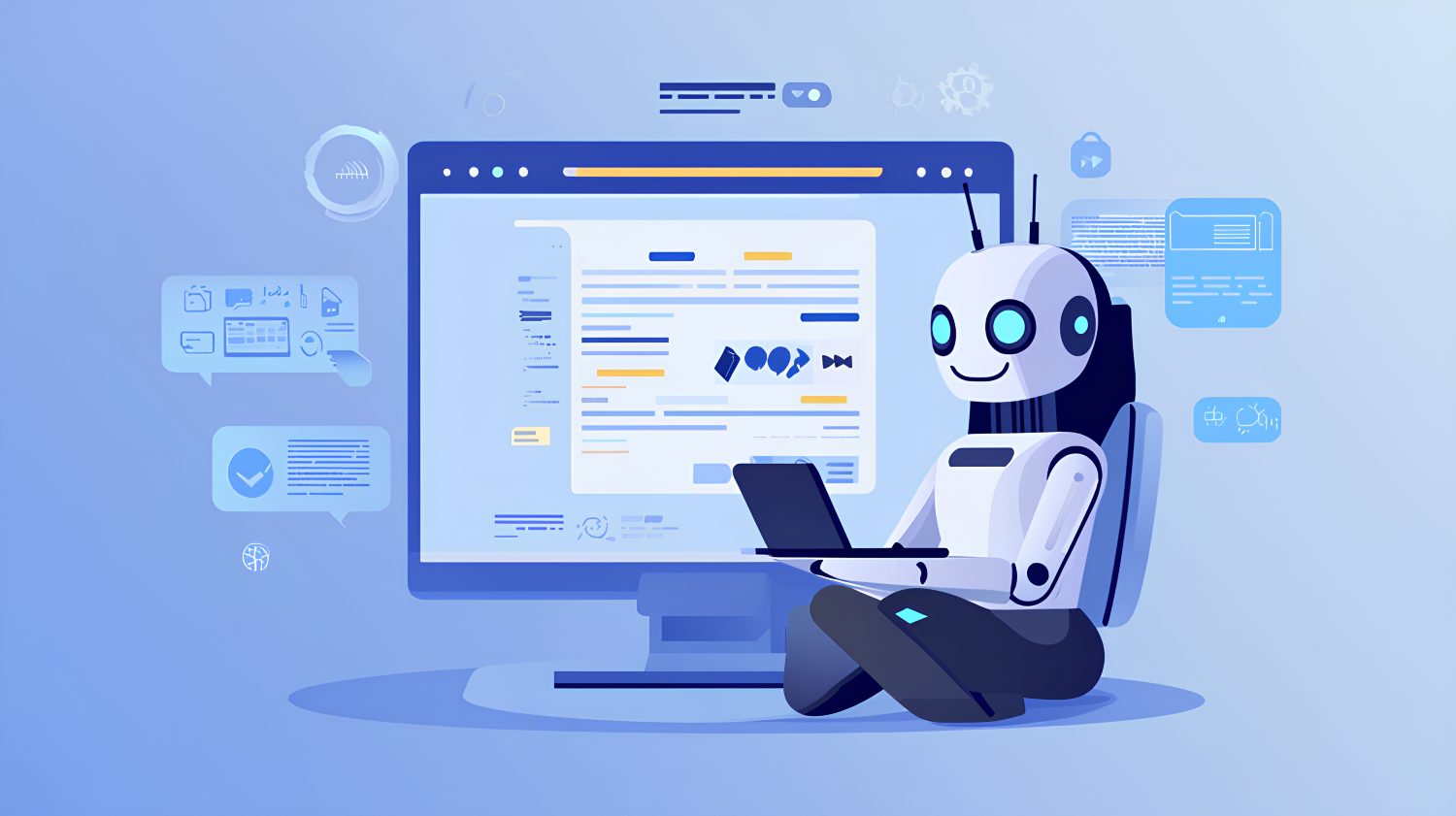
Instead of having your team read through hundreds of survey responses, AI can instantly perform sentiment analysis, classifying feedback as positive, negative, or neutral. More importantly, LLMs can identify recurring themes by grouping comments in like groups, like “shipping speed,” “app usability,” or “billing confusion,” even if customers use different phrasing. Here are two examples:
- Speeding up service improvements: Imagine a startup’s service team is inundated with questions about a new product feature. AI-powered analysis can immediately flag confusion as a top negative theme, allowing the service agent to proactively update the online service knowledge base, thereby reducing call volume.
- Enhancing sales conversations: For small business sales teams, LLMs can analyze transcripts of past successful and unsuccessful calls, pointing out which specific product benefits resonate most with potential customers, helping the sales rep refine their sales pitch for the next interaction.
By integrating these tools, small businesses can dedicate their people to acting on the insights, not just finding them.
See how AI can give you a growth strategy
Learn the essentials of using cutting-edge AI and powerful large language models to turn raw customer data into actionable steps for your small business or startup.


Build a feedback loop across sales, service, and marketing
Feedback often gets siloed. Remember all the ways that feedback can be collected? A complaint logged by a service agent may never reach the marketing team that designed the product page, or the sales team that set expectations. For small businesses, connecting these dots is vital.
Unify data from service and sales
Every interaction a customer has, from the first marketing email they open to their latest service request, tells a part of their story. Salesforce CRM ensures that when a service agent handles a support ticket, they know the customer’s purchase history and how long they’ve been a customer.
Here’s how that unified approach looks in practice — and one you can start today in Pro Suite:
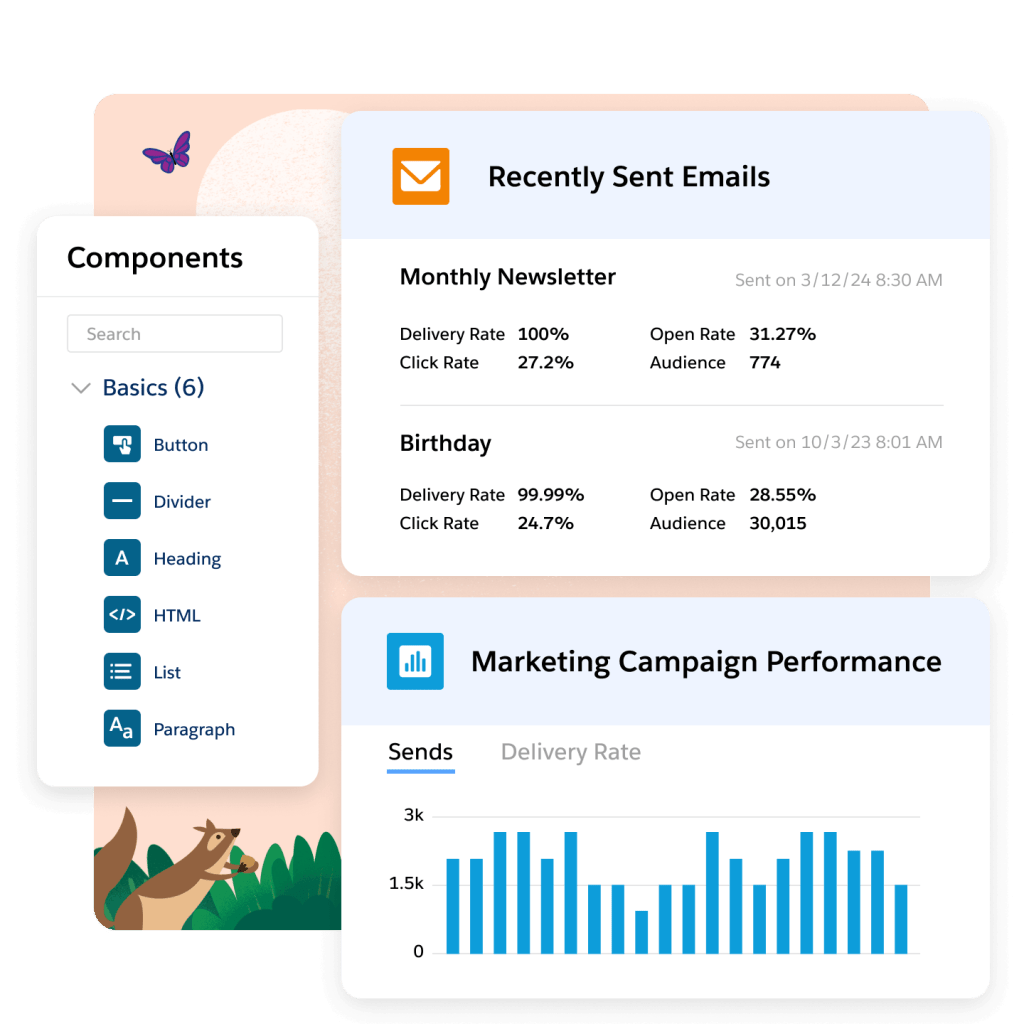
- Marketing personalization: If customer feedback analysis highlights that a specific segment of customers frequently mentions enjoying educational content, the marketing team can use this insight to adjust their email campaigns, focusing on tutorials and guides instead of purely promotional content.
- Sales impact: Analysis of feedback can pinpoint friction in the sales process — maybe customers consistently mention the pricing structure is unclear — leading to clear updates in sales training and materials to close deals faster.
- Proactive service: Analysis can predict customer churn. If a customer gives a low score on a post-interaction survey and their account shows a recent dip in product usage, the system can flag them for a proactive outreach from a dedicated account manager, saving a valuable relationship.
Ready to go Pro?
Level up your CRM with the top-rated Pro Suite — the customer platform that scales with you.
Next steps for better customer feedback analysis
Implementing a customer feedback system doesn’t have to be a massive undertaking. For small businesses, the focus should be on consistency and integration. Here are three important things to keep in mind as you implement customer feedback.
Collect, analyze, act, and repeat: Once you have the tools in place — like a CRM that centralizes your data and AI that analyzes it — the next step is to formalize the process.
Set measurable goals: Instead of a vague goal, aim for “Reduce support tickets related to billing by 15% in the next quarter” based on the highest-ranking negative theme identified by your customer feedback analysis for small business tools.
Train your team: Ensure your sales, service, and marketing teams know how to access and interpret the AI-driven feedback reports, turning insights into immediate adjustments in their day-to-day work.
Get insight into your customer feedback with Salesforce
For a business owner, the value of a comprehensive, unified platform can’t be overstated. You need tools that work together, not against each other. Ready to get analyzing?
Start your journey with the Free or Starter Suite today. Looking for more customization? Explore Pro Suite. Already a Salesforce customer? Activate Foundations to try out Agentforce 360 today.
AI supported the writers and editors who created this article.
Frequently Asked Questions (FAQs)
For small businesses and startups, feedback analysis is less about volume and more about resource prioritization. AI-powered tools like those in Starter and Pro Suite help small teams instantly identify the most critical issues and growth opportunities, ensuring limited time and budget are spent on high-impact fixes.
You should analyze both structured and unstructured data. Structured data includes survey scores and defined ticket categories. Unstructured data is far richer and includes customer support chat transcripts, email correspondence, social media comments, and product reviews.
Yes, modern AI and LLMs can perform sophisticated sentiment analysis to classify feedback as positive, negative, or neutral. Crucially, they can also group feedback into recurring thematic issues, regardless of the specific language the customer uses.
Analysis should be ongoing and continuous. With integrated CRM tools, feedback is analyzed in real-time. This continuous feedback loop allows service teams to make instant updates to knowledge bases, marketing teams to adjust campaigns on the fly, and product teams to prioritize their backlog based on current customer pain points.
A unified customer view brings all customer data—from their sales history to their service requests and marketing interactions—into one centralized platform. This 360-degree view is vital because it prevents feedback from being siloed, allowing you to understand why a customer gave a low score by seeing their entire journey, not just one interaction.