

How well are you managing AI? How organized is your team when it comes to AI tools, agents, and now multi-agentic work? Feeling a little like a conductor on stage in front of an orchestra of agents? You’re not alone. Here’s what you need to know about AI orchestration and the next-gen workforce.
This guide covers what an AI orchestrator does, how it works, which tools to look at, and how AI administration fits in, so you can start building skills that matter whether you’re a new hire, a new founder, or somewhere in between.
What is an AI orchestrator?
An AI orchestrator is the person who trains, manages, and decides how AI tools work to do business. AI orchestration is the work itself: Coordinating multiple AI agents so each step goes to whichever one is best suited for it. Anthropic describes a similar setup in its guide to building effective AI agents, where a central model breaks a task into parts and hands each part to a specialist.
AI orchestration vs. AI administration
They overlap, but they aren’t the same job. On a small team, one person often does both. Let’s break down the differences:
- An AI orchestrator designs the flow of work: Managing who does what (agents and humans), and when a team member needs to step in.
- An AI administrator is the upkeep: Setting permissions, checking results, updating instructions, and keeping data clean.
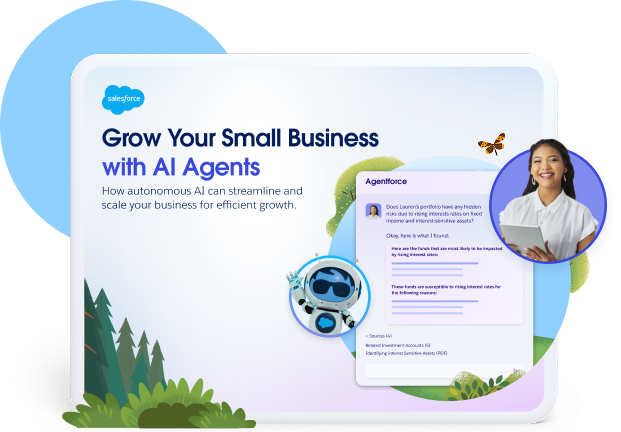
Grow Your Business With AI Agents
Learn how autonomous AI can scale your small business for free in our latest e-book.
How AI orchestration works
Most orchestration follows the same simple loop. A request comes in, the orchestrator figures out what it’s asking for, sends it to the right agent or tool, checks the answer, and passes anything tricky on to a person. Here’s what that looks like step by step:
- Intake: A customer email, a form fill, or a Slack message kicks things off.
- Routing: The orchestrator sends the request to the agent built for that task, like a sales agent for a new lead or a service agent for a refund question.
- Action: The agent does the work, such as drafting a reply, updating a record, or booking a meeting.
- Review: Rules decide what a human needs to approve before anything goes out.
Get ready for multi-agent orchestration, where one front-door agent identifies each request and routes it to the right specialist. One agent trying to do everything can get slow and sloppy. A small team of specialists with a clear lead helps to train and manage the agents to stay on course.
Why AI orchestration matters for growing businesses
You don’t have a spare department to chase follow-ups. Slack research shows that 41% of time is lost to low-value, repetitive tasks, and that’s exactly the stuff orchestrated agents can take off your plate. Good orchestration also keeps your tools from tripping over each other, which is how businesses end up with five AI apps and no results.
The real payoff shows up in a few places:
- Faster follow-up: Leads get a response in minutes, not days.
- Fewer dropped handoffs: Every agent works from the same customer record.
- More control: You decide what AI handles alone and what always goes to a person.
- Room to grow: Add a new agent without rebuilding everything.
Your customer relationship management (CRM) system is the shared home base where all of that customer context lives. When every agent works from the same CRM record, they act on accurate information instead of guessing.
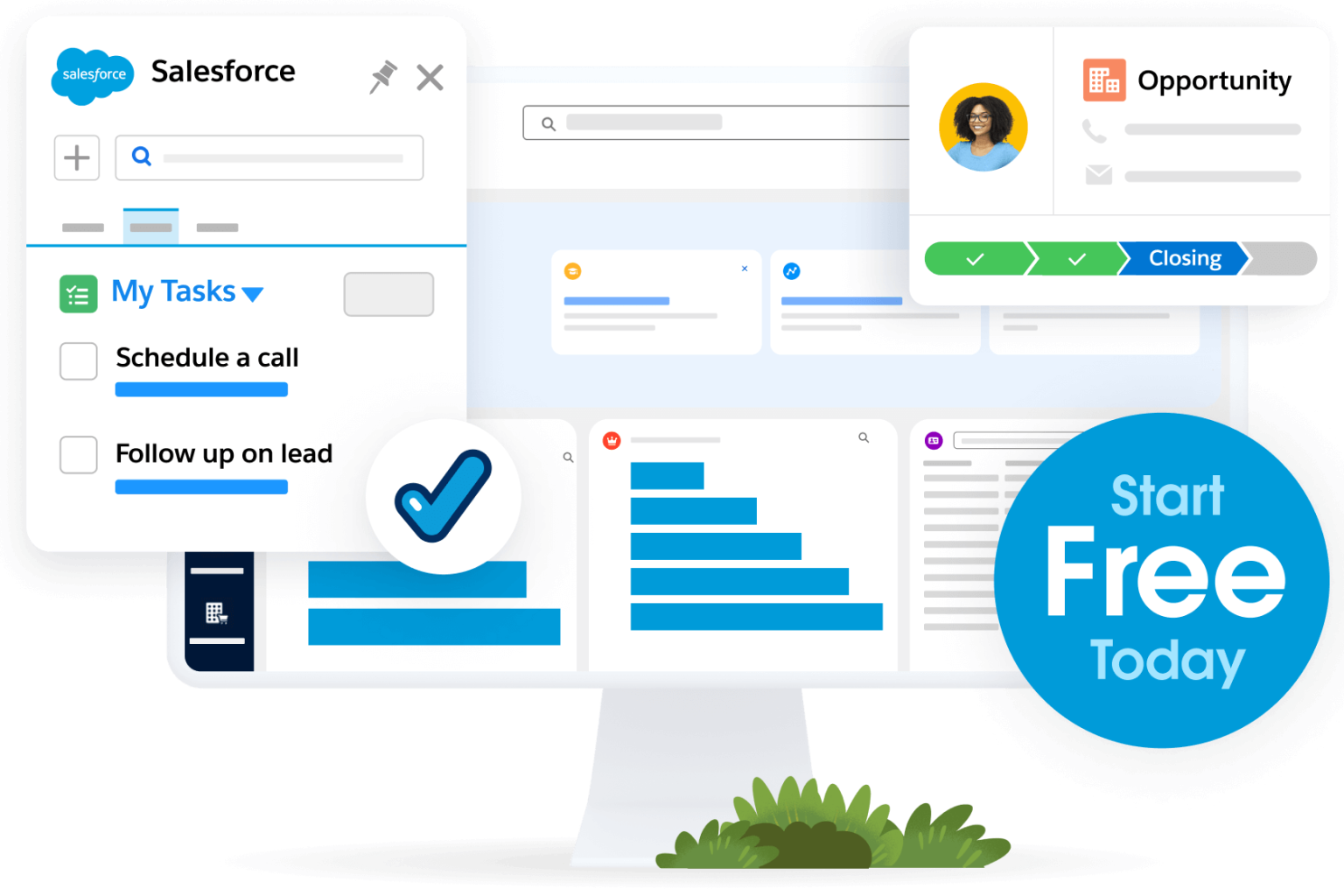
Grow your ambitions with the #1 AI CRM.
See what’s possible with the AI-powered CRM suite for growing teams.
The skills the next generation needs
You don’t need to write code to orchestrate AI. You need judgment. The best orchestrators tend to share a short list of habits, and most of them are learnable on the job. It’s closer to managing a new hire than it is to programming, and that’s the point. Start by mapping a process out loud:
- Write clear instructions
- Map what happens first and what comes next
- Find any gap that would cost you a customer
- Test the results
- Fix what breaks
AI orchestrator tools to know
You’ll run into a few different orchestration tools, but the real win is one that has everything together (a CRM). Workflow automation tools connect apps and move data around. Agent tools give you AI that can reason and act inside your business. And collaboration tools pull it all together (like Slack).
Orchestration layers sit on top and manage how all of it fits together. For a small business, the easiest path is a platform where those pieces are already connected, so you’re not stitching them together yourself.
This Agentic AI playbook lays out how agents grow from answering simple questions to running whole workflows across teams, which is a handy way to figure out where you are today.
Looking to turn your AI potential into business reality?
Follow this free guide with step-by-step instructions, the latest use cases, expert interviews, and interactive worksheets for your team.

Real examples of AI orchestration
Here’s what it looks like in practice. A bakery owner gets an online order for 200 cupcakes. One agent confirms the order and checks the calendar, another sends the invoice, and a third reminds the kitchen two days out. The owner only steps in when a customer asks for a custom flavor.
Or take a two-person consulting shop. A new lead fills out a form, an agent scores it and drafts a reply, and a second agent books the intro call. The founder reviews the draft with her morning coffee and hits send. Same idea, different business: Every step has an owner, and the human owns the decisions that matter.
Tips for getting started with AI orchestration
Start with one painful process, not ten. Pick the task you dread most, like lead follow-up or answering the same five customer questions, and build around it. Write down where a person must stay in the loop. Check the results weekly for the first month, then monthly. And keep your customer data in systems you trust, because security is the top concern SMB leaders have about AI.
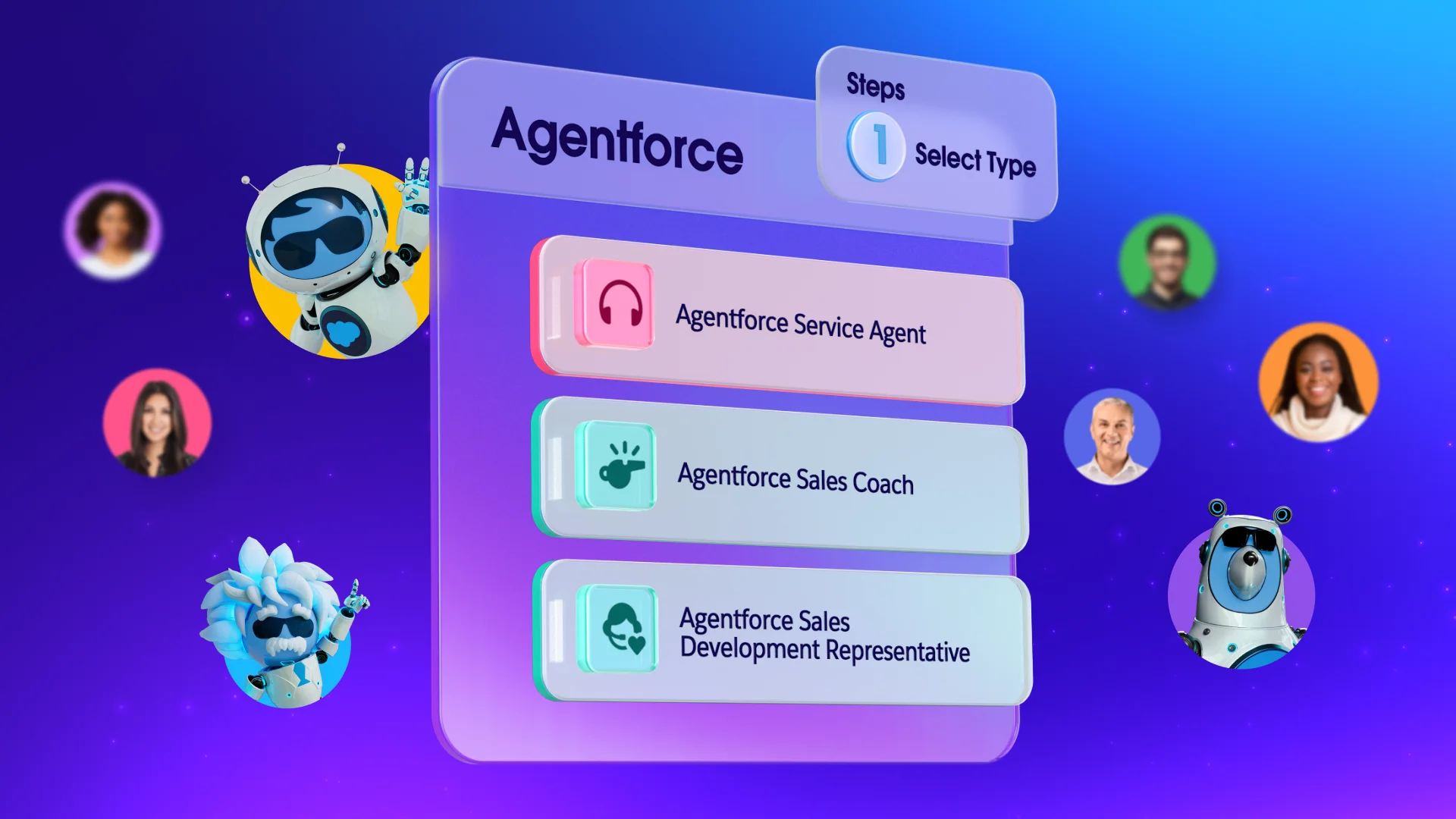
When you’re ready to go deeper, Agentforce is built for exactly this, with agents prebuilt by experts in sales and service so you’re not starting from scratch.
Resource roundup: AI and all things business
Want to keep learning? These free resources are a good place to start:
- Guide to AI for Small Businesses: Identify use cases, build a strategy, and see how leaders use AI today. Get the free ebook.
- Agentforce Implementation Guide: Go from zero to AI-powered in five steps. Get the ebook.
- The Agentforce Ready Checklist: Set up, test, and launch autonomous agents. Get the checklist.
- The AI Anti-Hallucination Playbook: A quick guide to training your AI tools with guardrails that help it produce stable results. Get the playbook.
Start small with AI orchestration
The next generation of workers and founders won’t be judged on how many AI tools they know. They’ll work together on how well they get those tools to connect and execute. And, with the right set of agentic tools, you can create a team of digital coworkers that help business grow, fast.
Get started with Starter Suite for free or activate Foundations to try out Agentforce today.
AI supported the writers and editors who created this article.
What is an AI orchestrator?
An AI orchestrator is the person, or sometimes the software, that coordinates AI agents and tools so they finish multi-step work together. The human version sets the rules, checks the results, and steps in when judgment is needed.
Do I need to code to be an AI orchestrator?
No. Most of the job is process thinking, clear instructions, and good judgment. Many platforms let you set up agents with plain-language prompts and point-and-click tools.
What’s the difference between AI orchestration and automation?
Automation follows fixed steps you set in advance. AI orchestration manages agents that can reason, choose a next step, and hand off to each other, with people watching the guardrails.
How does AI administration fit in?
AI administration is the day-to-day upkeep: permissions, data quality, testing, and updating instructions. It keeps your orchestrated agents accurate and safe as your business changes.
Where can I learn more about getting started?
Try Trailhead to build hands-on skills for free, and pair it with the ebooks above to plan your first agent.