



The biggest sales moments of the year aren’t always the ones on everyone else’s calendar. For lean businesses, the real growth opportunity lies in the dates your competitors are overlooking — the holidays and community moments that let you show up authentically and connect with customers who are actively looking for something more personal than a big-box experience.
That’s where ambition meets strategy. When you plan ahead for the right moments, you’re not just running promotions — you’re building the kind of brand relationships that keep customers coming back long after the season ends.In this guide, we’ll walk you through ten high-impact dates every small and medium business (SMB) should have on their radar, plus how the right tools can help you execute each one without adding headcount. Because the best time to grow your business isn’t just the holidays. It’s every moment you’re prepared for.
Top 10 small business holidays to add to your calendar
While every industry is different, certain dates offer a universal appeal for startups and local shops. These events are excellent opportunities to run a flash sale, host a community event, or launch a new product line. For example, a boutique clothing store might find that National Wardrobe Day is a perfect fit for their eco-conscious shoppers. Let’s review the top ten SMB holidays to consider:
1. Small Business Saturday
Small Business Saturday is the heavyweight of small business holidays, falling right after Thanksgiving. It’s a day when consumers specifically look to support local entrepreneurs. You can use your marketing tools to create a local-first campaign that highlights your story and the people behind your brand. This day often sets the tone for the rest of the winter shopping season. Here are some ways to market this event:
- Partner with a local news outlet or community blog for a featured story on your business’s role in the neighborhood.
- Host a “Shop Local” kickoff event with free coffee or treats for the first 50 customers.
- Offer a loyalty bonus: double points for all purchases made on Small Business Saturday.
- Run a geotargeted social media ad campaign specifically targeting consumers within a 5-mile radius.
2. Get to Know Your Customers Day
Occurring quarterly, Get to Know Your Customers Day is one of those small business holidays focused entirely on relationship building. Instead of a hard-sell, use this day to send out surveys or host a “meet the founder” livestream. Understanding the person behind the purchase is what builds real loyalty. This data can then be fed back into your CRM to help you personalize future interactions.
- Launch a quick customer feedback survey via email or social media, offering a small discount or entry into a prize drawing for participation.
- Run a “Customer Q&A” session on Instagram Live or Facebook, letting your community ask anything about your product, service, or company mission.
- Highlight a “Customer of the Day” on your social channels, sharing their story and why they love your brand.
3. National Small Business Week
Typically held in early May, National Small Business Week (NSBW) celebrates the contributions of entrepreneurs to the economy. It’s a great time to partner with other local startups for a “neighborhood crawl” or a joint giveaway. Highlighting these partnerships on social media can help you reach a completely new audience. It’s also a time to celebrate the collective impact of local commerce.
Beyond these, here are a few high-impact ways small businesses can market themselves during NSBW:
- Host a workshop, offering a free, short virtual session related to your industry (“5 Money Moves to Scale Your Startup”).
- Celebrate loyal customers by featuring a different one each day on social, sharing their story. This builds community and acts as social proof.
- Encourage the community to nominate local individuals who support small businesses in a “Small Business Hero” contest, offering a gift to the winner.
4. World Entrepreneurs’ Day
Falling in August, World Entrepreneurs Day is all about the spirit of innovation. Small businesses can use this to showcase a “behind the scenes” look at their product development or service process. It’s an ideal moment to talk about your company values and the “why” behind your business. Sharing your journey makes your brand more relatable and human.
- Offer an exclusive discount or a free gift with purchase, available only to customers who mention the day at checkout or use a special code online.
- Create a social media campaign featuring photos of the business’s owners, sharing a short anecdote or memory about the early days of the business.
- Partner with a local vendor for a small, in-store event on the day, creating a community feel, and cross-promoting both businesses to their respective customer bases.
5. National Mom and Pop Business Owners Day
This March holiday is perfect for family-run businesses to share their heritage. For National Mom and Pop Business Owners Day, personal stories often resonate deeply with customers who want to feel a connection to the places they shop.
- Use your commerce platform to offer a special “family favorite” discount on this day. It highlights the personal touch that big corporations simply can’t replicate.
- Share your story as a blog or social post, highlighting photos of your first day starting your business.
Related Stories






6. Giving Tuesday
While often associated with nonprofits, for-profit small businesses can participate in Giving Tuesday, a global generosity movement celebrated on the Tuesday after Thanksgiving (in the U.S.) to encourage donations, volunteering, and acts of kindness. Created in 2012, it falls between November 27th and December 3rd.
- Commit a percentage of all sales made on the day to a designated local charity and clearly promote the partnership on your website and social media.
- Host a “Round Up Your Purchase” campaign, asking customers to donate the change from their purchase, with your business matching the total amount raised.
- Create a specific, limited-edition product or service where 100% of the profits go directly to the cause, encouraging high-impact purchases.
7. Giving Tuesday
Observed annually on November 13, World Kindness Day encourages people to commit random acts of kindness. This is a perfect small business holiday to show appreciation for your customers and community without focusing on sales.
- Offer a “Pay It Forward” promotion where customers can anonymously pay for the next person’s coffee or a small item.
- Partner with a local animal shelter or food bank and offer a small discount to customers who bring in a donation item on the day.
- Share a post on social media asking customers to share a story about a time another small business showed them kindness, and give a small prize to the most heartwarming story.
8. Small Business Appreciation Day
This day is all about saying thank you to the people who keep your lights on. On Small Business Appreciation Day, it’s time to just be grateful for all the growing businesses around you.
Sending a simple, non-promotional “thank you” email can go a long way in building long-term loyalty. Customers appreciate being recognized as part of your success story. It’s a simple gesture that reinforces the bond between your brand and its supporters.
9. Local Founders Day
Many cities have their own specific days to celebrate local commerce. Staying plugged into your local Chamber of Commerce (for the U.S.) can help you identify these unique small business holidays. These events often draw significant foot traffic and local media attention. Being active in your local community helps establish your business as a neighborhood staple.
- Highlight key historical milestones from your founding, such as the first product sold or the first major team hire, in a series of social media posts or blog stories.
- Offer an exclusive discount code, like “BIRTHDAY10”, only available on your anniversary date, framed as a thank you to your loyal customers.
- Host a social media contest where customers share their favorite memory or product from your business, offering a large prize to generate excitement.
10. Anniversary of your founding
Your business’s birthday is one of the most important small business holidays for your brand. Celebrate your milestones with your customers by offering exclusive “anniversary only” deals. It’s a time to reflect on your growth and thank the early adopters who supported you from day one. This celebration reinforces your brand’s longevity and reliability. Try out a marketing CRM to help build these promo emails and track your leads.
Planning for small business holidays with the right data
Before you celebrate, you need a clear view of who you’re celebrating with. A successful strategy for small business holidays begins with a deep dive into your existing customer information to see which dates align best with their buying habits.
Try a business tool like customer relationship management (CRM) to track these interactions, and find patterns that help you choose the right events. Using a CRM helps your sales and marketing teams work from the same playbook. You can segment your audience based on their past purchases to send tailored invitations for upcoming holidays. This level of personalization makes your customers feel valued, which is the heartbeat of any growing company.
Get Salesforce free for 30 days.
No credit card required, no software to install.

Maximizing small business holidays with smart automation
Once you’ve identified your key dates, it’s time to put your plan into action without burning out your team. Integrating artificial intelligence (AI) into your workflow allows you to automate repetitive tasks like sending promotional emails or scheduling social media posts. For a startup, this means you can compete with larger brands by having a 24/7 digital presence during small business holidays.
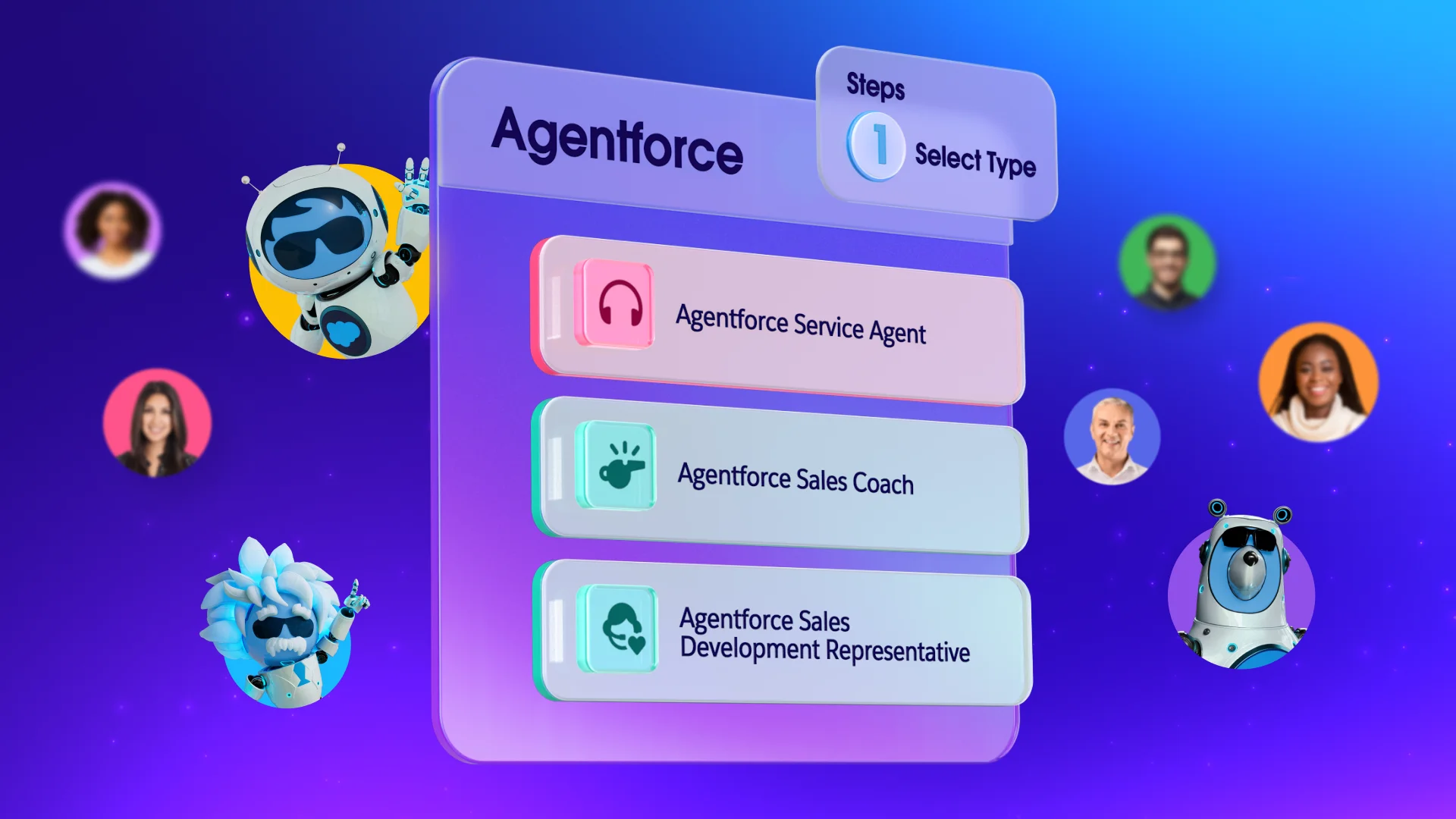
Activate Agentforce to take it a step further by handling customer inquiries autonomously. If a customer asks about a specific promotion during one of your small business holidays, AI agents can provide instant answers and guide them to a checkout page. This productivity boost allows your team to focus on high-touch tasks that require a personal connection.
Try an Employee agent to help your team manage the holiday rush. Craft personalized promotion emails and organize your data together as a team, all powered by embedded AI.
Make the most of small business holidays
By treating small business holidays as a year-round strategy rather than a one-time event, you create a steady rhythm for your growth. This proactive approach helps you avoid the stress of last-minute planning and execution. And we have just the tool for the job!
Get started with Salesforce for free or activate Foundations to try out Agentforce today.
AI supported the writers and editors who created this article.
How do I choose which small business holidays to participate in?
Focus on dates that align with your brand values and where your target audience is most active. You can check out Salesforce’s Small Business Blog for more inspiration on how to connect with your community.
Can a startup with a small team handle multiple small business holidays?
Yes, by using automation and AI agents to handle routine tasks, a small team can manage several campaigns at once. This allows you to scale your efforts without needing to hire a massive staff for every event.
How far in advance should I plan for small business holidays?
It’s best to have a rough calendar for the entire year, with detailed campaign planning starting at least six to eight weeks before the date. This gives you enough time to test your emails and ensure your inventory levels are sufficient.
What’s the best way to track the ROI of small business holidays?
Use your CRM to tag customers and sales that come in during the promotional period. This allows you to see exactly how much revenue each specific holiday generated versus the cost of your marketing efforts.
How can I stand out during crowded small business holidays like Small Business Saturday?
Focus on personalization, and connections rather than just deep discounts. Offering a unique “meet the maker” experience or a limited-edition local product can attract shoppers who are tired of generic big-brand sales.