


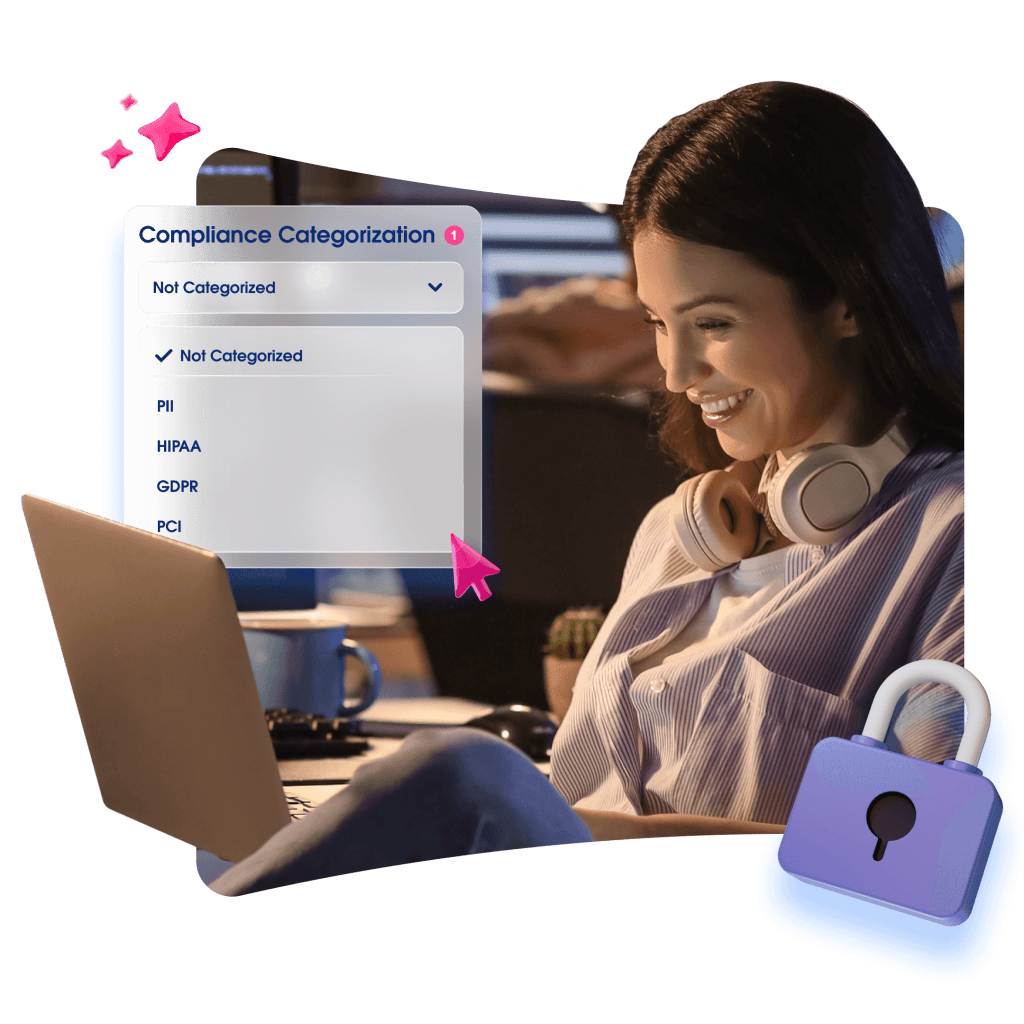
What is PII (Personally Identifiable Information)?
Learn what counts as personally identifiable information, how it gets exposed, which regulations apply, and the best practices that help you protect it.


Learn what counts as personally identifiable information, how it gets exposed, which regulations apply, and the best practices that help you protect it.


Every signup, purchase, and support request hands your business a piece of someone’s personal information. Multiply that across databases, CRMs, and cloud apps, and personally identifiable information (PII) becomes one of your most valuable and targeted assets. Mishandle it, and you risk regulatory fines, legal action, and the customer trust you spent years building.
This guide explains what counts as PII, how it gets exposed, which regulations apply, and best practices to keep it secure.
PII is any data that can be used to identify, contact, or locate a single individual, either on its own or when combined with other information. This includes anything from someone’s full name to their Social Security number.
Organizations are legally and ethically required to protect PII, so it plays a central role in most organizations’ data privacy and data security practices. Unlike non-PII data, such as anonymized usage statistics or aggregated behavioral trends, PII can expose individuals to identity theft, fraud, or privacy violations if mishandled or breached.
PII includes a wide range of data points that can identify an individual, either directly or when combined with other information. These identifiers fall into two main categories:
Direct identifiers can clearly identify a person on their own:
Quasi-identifiers don’t uniquely identify someone by themselves but can do so when combined with other data:
PII can also be classified as sensitive or non-sensitive. Sensitive PII includes information that, if exposed, could cause significant harm—such as a Social Security number, biometric data, financial account details, or medical records. Non-sensitive PII refers to data like a ZIP code or gender, which may seem harmless on its own but can still contribute to identification when aggregated.
For example, healthcare organizations usually deal with PII such as medical record numbers, insurance IDs, and health history. At the same time, finance companies need to protect bank account numbers, credit card information, and income details.
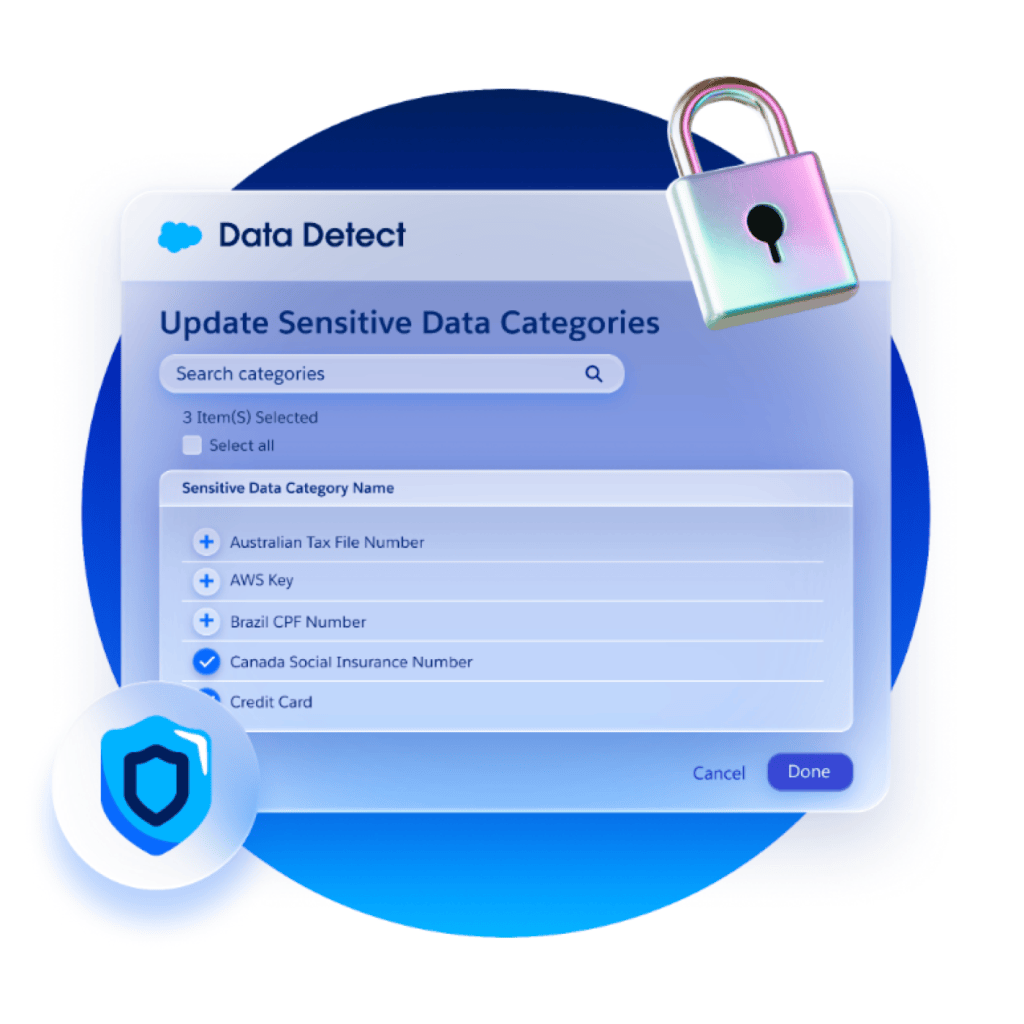
Despite growing awareness around data privacy, PII remains highly vulnerable to a range of threats. Here are some of the most common ways PII gets compromised:
Understanding how PII is exposed is the first step toward preventing it.
When PII is exposed, the consequences can be serious — for both individuals and organizations. Stolen or leaked PII often leads to identity theft, financial fraud, and unauthorized access to personal accounts. For businesses, these incidents can damage their brand reputation and trigger costly regulatory actions.
Regulators can also impose steep penalties. Under the General Data Protection Regulation (GDPR), the most serious violations can lead to fines of up to €20 million or 4% of annual global turnover — whichever is higher. In the U.S., HIPAA violations involving healthcare data can result in penalties of thousands of dollars, depending on severity and negligence.
The cost of a PII exposure extends far beyond data loss. It can erode customer trust, and rebuilding it can take years.
To protect individuals’ personal data and ensure responsible data handling, governments and industries worldwide have established strict PII regulations. These frameworks define how PII should be collected, stored, used, and shared—and hold businesses accountable for compliance. Here’s a brief overview of key regulations and standards:
Protecting PII is important for your organization to help build customer trust and avoid fines. Here are key strategies for safeguarding PII:

Securing PII isn’t optional. As data breaches grow more sophisticated and regulations tighten, your organization must prioritize strong data protection strategies to maintain customer trust and avoid legal consequences.
To recap, protecting PII starts with a few critical best practices: classify sensitive data early, encrypt it at rest and in transit, enforce access controls, apply masking or anonymization where appropriate, audit your systems regularly, and train your workforce on secure behavior.
Equally important is maintaining compliance with global privacy regulations like GDPR, CCPA, HIPAA, and more. Non-compliance can result in costly fines, reputational harm, and lost customer confidence.
Salesforce Guardian offers enterprise-grade tools to help businesses protect PII and manage risk at scale, including Shield, Privacy Center, and Data Mask & Seed. Explore our cloud data security solutions.
Try Salesforce Platform Services for 30 days. No credit card, no installations.
Tell us a bit more so the right person can reach out faster.
Get the latest research, industry insights, and product news delivered straight to your inbox.
PII is any data that can identify an individual person. This includes full names, email addresses, and phone numbers. It also covers login credentials or IP addresses when paired with other data points. Businesses must carefully secure this data to maintain privacy.
Safeguarding personal data offers major advantages for businesses. Strong data protection builds and maintains customer trust. It also helps you avoid financial penalties tied to global privacy laws. Proper security measures help prevent unauthorized access and keep your brand reputation safe from the lasting damage of major data leaks.
Sensitive identifiers are specific details that can cause major harm if leaked to unauthorized users. Examples include a person's Social Security number, banking details, or medical records. Other sensitive elements include passport numbers and unique biometric data. Securing these specific items remains critical for corporate compliance.
Personal data is often compromised through deliberate cyberattacks such as phishing or ransomware. Human errors, such as misplacing documents or emailing the wrong person, also cause major leaks. Additionally, technical mistakes like unsecured cloud storage or malicious actions by current or former employees can lead to unauthorized data access.
An unexpected data breach severely damages corporate reputation and quickly destroys consumer trust. Companies also face massive financial penalties from regulatory groups. For instance, violating data protection rules can cost millions of dollars. Customers also suffer directly from identity theft and unauthorized access to their private accounts.
Several laws and standards dictate how companies must handle consumer data. The General Data Protection Regulation (GDPR) protects the data of individuals in the EU. The California Consumer Privacy Act (CCPA) gives California residents control over their personal information. Furthermore, specific industries follow rules and standards such as HIPAA for healthcare and PCI DSS for credit card processing.
Companies should first categorize their data by risk level. Key steps include encrypting files and limiting access to authorized personnel. Organizations should also hide sensitive details in non-production environments. Finally, regular security reviews and consistent employee training help prevent data breaches.


